AI Revolution Creates New Three-Tier US Economy
A new economic order is emerging in the U.S., splitting society into three distinct groups based on their relationship with the AI revolution.
23 articles tagged

A new economic order is emerging in the U.S., splitting society into three distinct groups based on their relationship with the AI revolution.

A vast majority of economists predict the U.S. will expand its global productivity lead, driven by dominance in AI, strong investment, and lower energy costs.

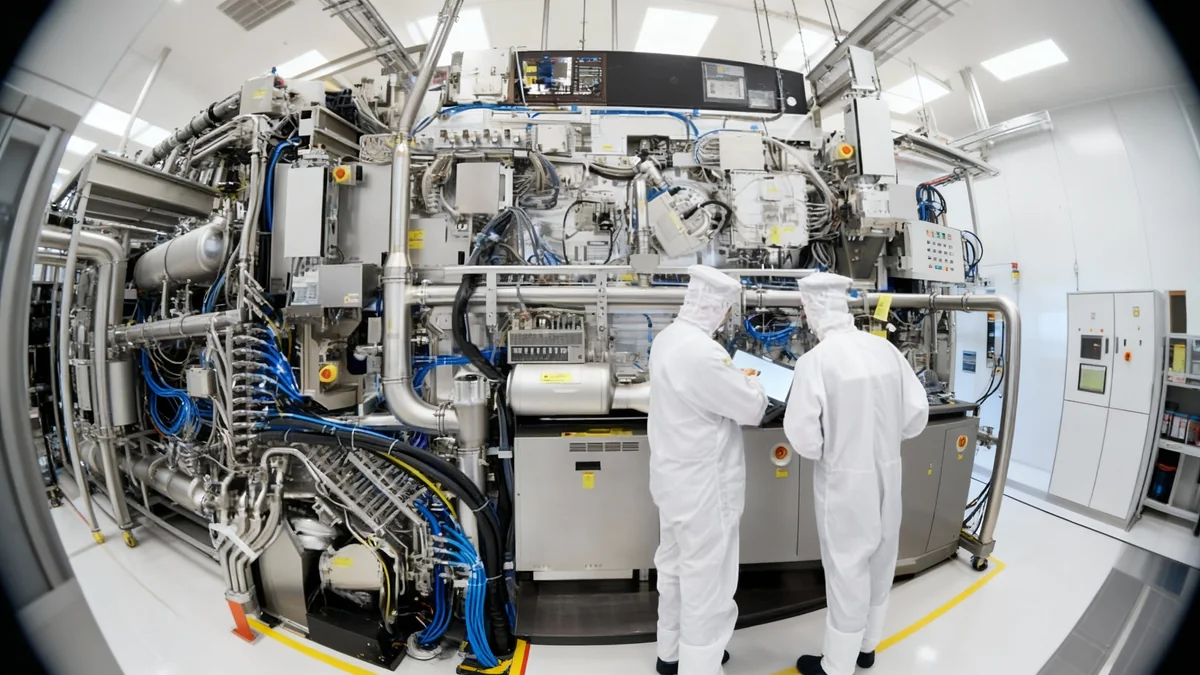
The US AI boom is critically dependent on a single Dutch tech company and EU data laws, giving Europe powerful and unexpected leverage over the American economy.

A new report from the McKinsey Global Institute suggests 40% of American jobs could be replaced by AI, with robots able to automate over half of all US work hours.

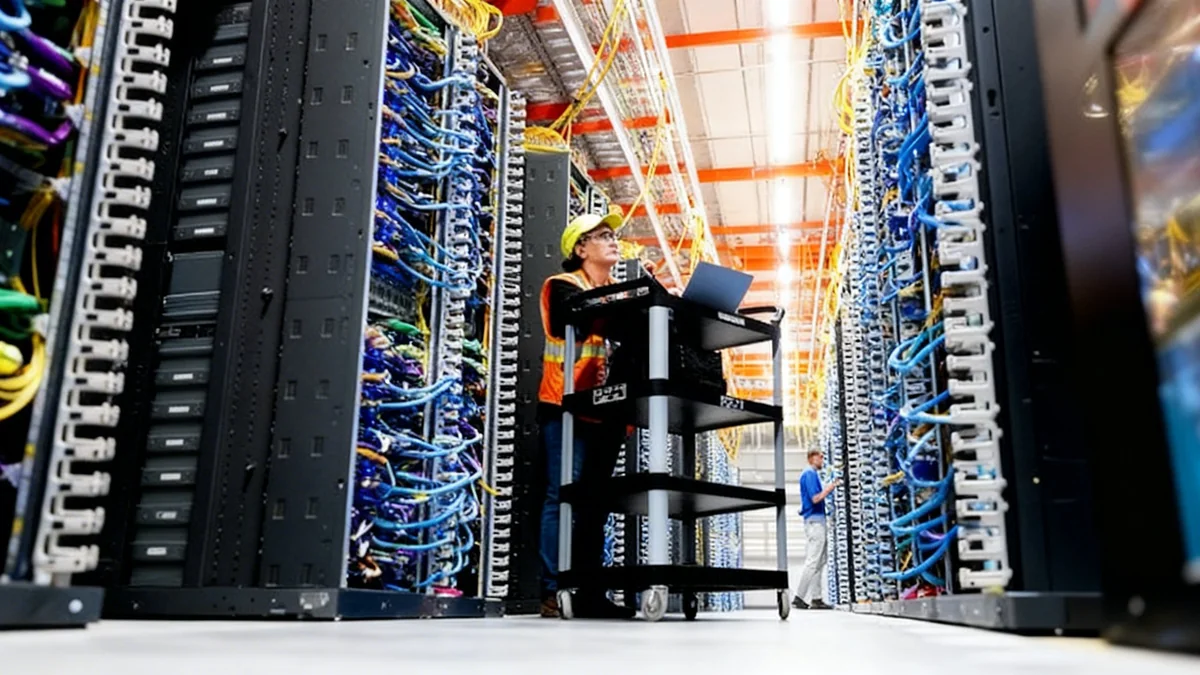
Meta Platforms has confirmed a landmark $600 billion investment plan through 2028 to construct a vast network of AI-focused data centers across the United States.

US companies announced over 150,000 job cuts in October, the highest for the month in two decades, driven by cost-cutting and the rise of artificial intelligence.

A viral chart shows job openings falling 30% as stocks soar 70% since late 2022, but economists say Federal Reserve rate hikes, not AI, are the main cause.

Major US corporations like Amazon and UPS are cutting tens of thousands of white-collar jobs despite reporting strong profits, creating a 'jobless growth' economy.

The AI boom is facing a critical bottleneck not in semiconductors, but in America's aging and underfunded electrical grid, creating an urgent infrastructure crisis.

Technology companies are cutting thousands of jobs, citing future AI productivity, which raises economic and political concerns amid signs of instability.

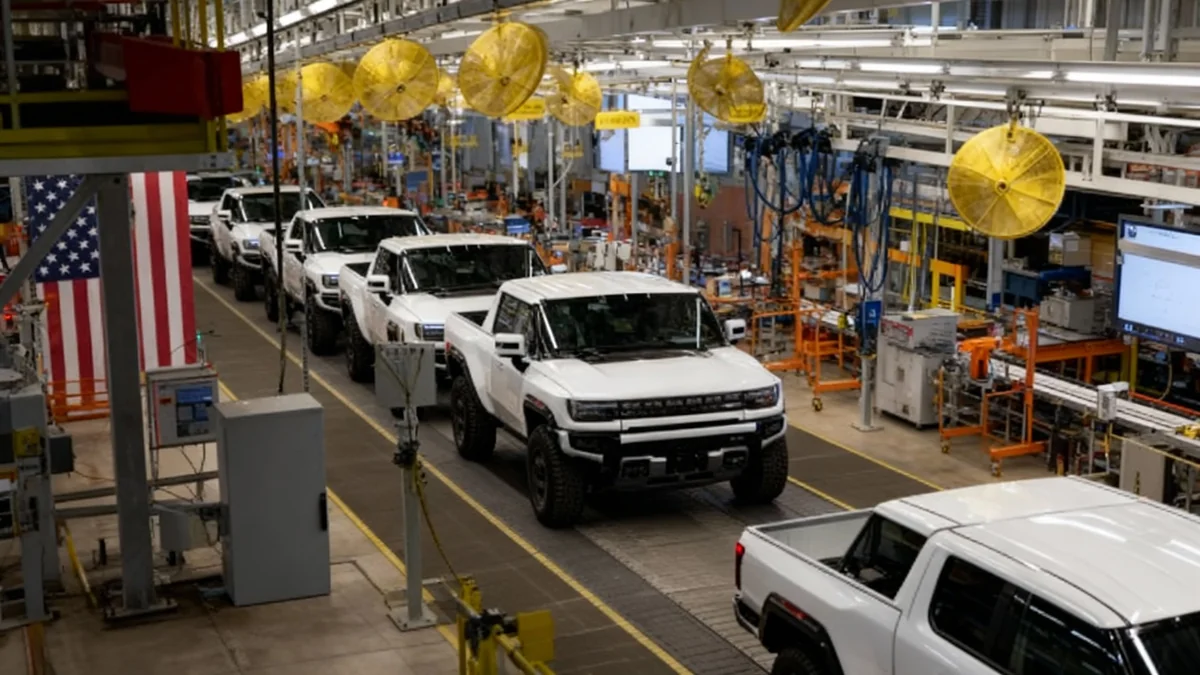
Economic analysis suggests the U.S. economy's stability is heavily dependent on the AI boom, which is masking weakness in other key sectors like manufacturing.

A new report from Senator Bernie Sanders warns that AI could eliminate nearly 100 million U.S. jobs in the next decade, impacting both skilled and unskilled labor.