

OpenAI is reportedly developing new personal health features for its artificial intelligence chatbot, ChatGPT. This move could integrate advanced AI capabilities into daily health management, offering users new tools for understanding and interacting with health-related information.
The initiative signals a significant expansion beyond ChatGPT's current general-purpose applications. It suggests a future where AI could play a more direct role in personal wellness and health data interpretation.
Key Takeaways
- OpenAI is reportedly working on personal health features for ChatGPT.
- These features could help users manage and understand personal health data.
- The development marks a potential expansion of AI into healthcare.
- Data privacy and accuracy will be major considerations for these tools.
AI's Growing Role in Personal Health
The potential integration of personal health features into ChatGPT represents a natural progression for artificial intelligence. AI models are becoming more sophisticated at processing and synthesizing complex information. This includes medical data, research papers, and individual health metrics.
Imagine a tool that could help you understand a new diagnosis or explain the potential side effects of a medication. This is the kind of utility these new features aim to provide. It moves AI from a general information source to a personalized health assistant.
AI in Healthcare: Quick Facts
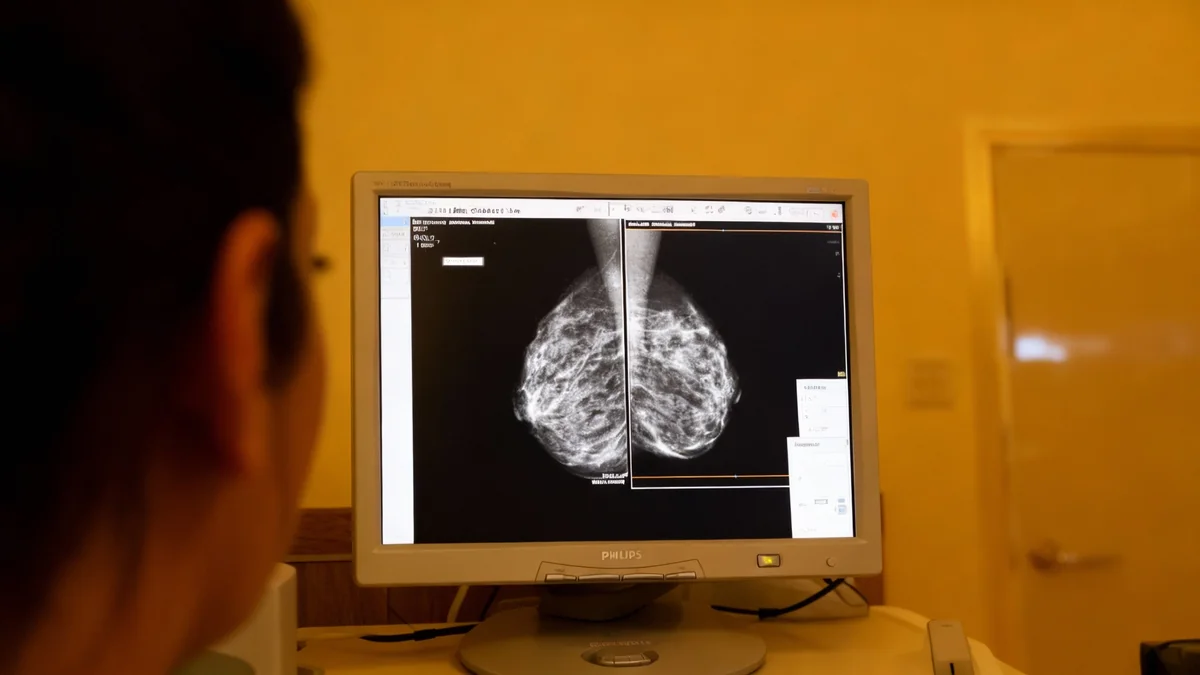
- Diagnostic Support: AI can analyze medical images (X-rays, MRIs) to assist in detecting diseases.
- Drug Discovery: AI accelerates the identification of potential drug compounds.
- Personalized Medicine: AI helps tailor treatments based on individual genetic profiles.
- Predictive Analytics: AI can forecast disease outbreaks and patient risks.
Understanding User Needs for Health AI
Developing health features for a widely accessible AI like ChatGPT presents unique challenges. Users will need to trust the information provided. The AI must also handle sensitive personal data with the utmost care and security. OpenAI will likely focus heavily on these aspects as development progresses.
Early iterations might focus on providing general health information, symptom checkers, or explanations of medical terms. More advanced features could involve analyzing personal health data, such as fitness tracker information or electronic health records, with user consent.
"The future of AI in healthcare is not about replacing doctors, but empowering individuals with better information and tools to manage their own well-being," states a prominent AI ethicist.
Addressing Data Privacy and Accuracy Concerns
Any AI system dealing with personal health information faces strict regulatory and ethical scrutiny. Data privacy is paramount. Users must have complete control over their health data. They need assurances that their information remains secure and private.
Accuracy is another critical factor. Misinformation in health can have serious consequences. OpenAI will need robust mechanisms to ensure the information ChatGPT provides is reliable, up-to-date, and evidence-based. This will likely involve partnerships with medical experts and healthcare organizations.
Regulatory Landscape for Health AI
Regulations like HIPAA in the United States and GDPR in Europe govern the handling of personal health information. Any AI product entering this space must comply with these stringent rules. Developers also face challenges related to liability and the potential for AI-generated medical advice.
Building Trust in AI Health Tools
Building user trust will be key to the success of these new features. Transparency about how the AI works, what data it uses, and its limitations will be essential. Clear disclaimers stating that AI advice is not a substitute for professional medical consultation will also be necessary.
The company will likely conduct extensive testing and validation. This ensures the health features are not only functional but also safe and beneficial for users. This iterative process is standard for any technology entering a sensitive domain like healthcare.
The Future of AI in Daily Wellness
This initiative by OpenAI highlights a broader trend: the increasing integration of AI into everyday life. As AI models become more capable, they are being applied to more specialized and personal tasks. Personal health is one of the most impactful areas for such applications.
Imagine ChatGPT helping you track your nutrition, suggesting personalized exercise routines, or reminding you about medication schedules. These are practical applications that could significantly enhance personal wellness. The potential for AI to act as a proactive health companion is vast.
Projected Growth of AI in Healthcare
Market research suggests the global AI in healthcare market could reach over $100 billion by 2030, growing at a compound annual growth rate of more than 35%. This growth is driven by increasing data, improved AI capabilities, and the demand for personalized health solutions.
Collaboration and Ethical Development
Success in this new frontier will require collaboration between AI developers, medical professionals, and regulatory bodies. Ethical guidelines will need to evolve alongside the technology. OpenAI's approach will likely involve a phased rollout, gathering feedback and making adjustments along the way.
The long-term vision could see AI not just as a tool for information, but as an integral part of a personalized, preventative healthcare system. This could empower individuals to take a more active role in managing their health, supported by intelligent technology.