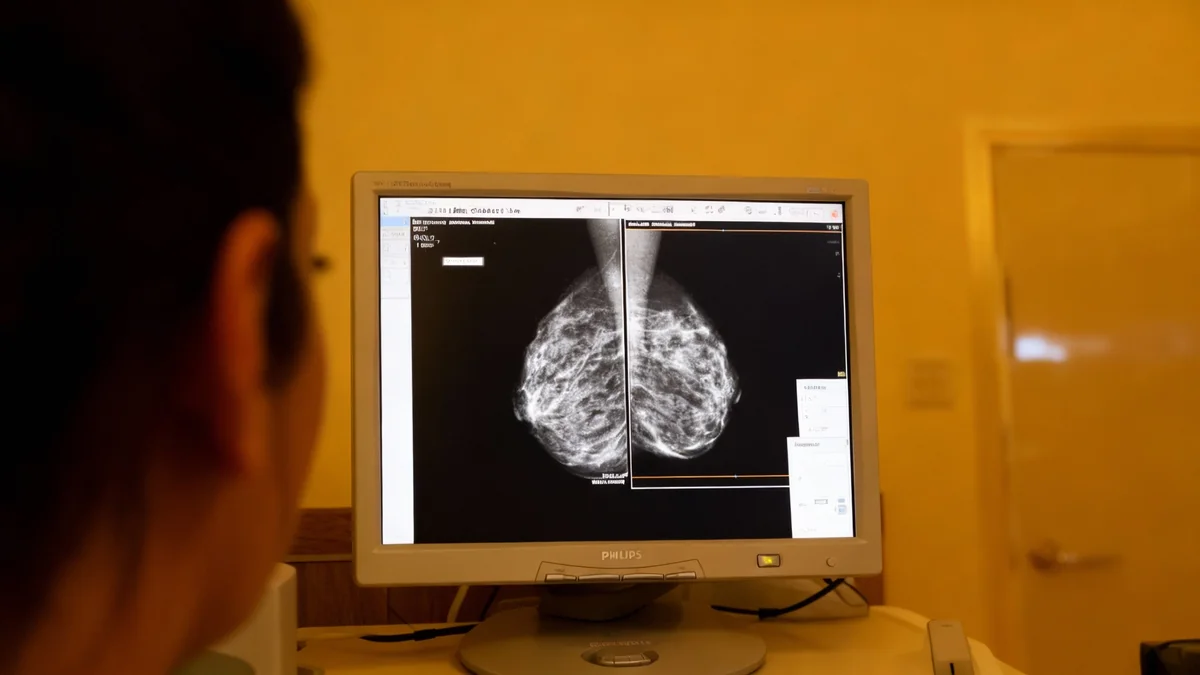

A landmark Swedish study involving 100,000 women has found that using artificial intelligence to analyze mammograms significantly improves the early detection of breast cancer. The research, one of the largest of its kind, suggests AI can serve as a powerful support tool for radiologists, potentially reducing workloads and catching aggressive cancers sooner.
The trial demonstrated that AI-assisted screening led to a higher rate of cancer detection during scheduled appointments and a notable decrease in cancers appearing between screenings, a critical measure of a screening program's effectiveness.
Key Takeaways
- An AI system assisting radiologists found more cancers at the screening stage compared to standard methods.
- The AI-supported group had an 81% detection rate during screening, versus 74% in the control group.
- There was a 12% reduction in cancers diagnosed in the years following a screening for the AI group.
- The study highlights AI's potential to support healthcare professionals, not replace them.
Details of the Swedish Trial
The study, published in The Lancet, randomly divided approximately 100,000 women undergoing mammography screening in Sweden into two groups. The first group received the standard of care, where two independent radiologists reviewed their mammograms. The second group had their mammograms analyzed first by an AI system, with subsequent review by one or two radiologists depending on the AI's risk assessment.
The AI system was designed to assist, not to operate alone. It analyzed the images and highlighted areas of concern for the human experts. Cases deemed low-risk by the AI were reviewed by a single radiologist, while high-risk cases were sent for a double reading, mirroring the standard process.
The Challenge of Breast Cancer Screening
Breast cancer is a significant global health issue, with more than two million people diagnosed each year. It is also the leading cause of cancer-related death in women between the ages of 35 and 50. Mammography screening programs are essential for early detection, which dramatically improves treatment outcomes, but they place a heavy burden on a limited number of specialized radiologists.
Significant Improvements in Detection
The results showed a clear advantage for the AI-supported group. Cancers found during the initial screening appointment accounted for 81% of all cases in the AI group. In contrast, the standard screening group detected 74% of cancers at this stage.
This early detection is crucial because it often means the cancer is smaller and has not spread, making treatment more effective. The study also found that the AI-assisted group had 27% fewer aggressive sub-type cancers, suggesting the technology is particularly effective at identifying fast-growing tumors early on.
By the Numbers
The rate of cancers found between scheduled screenings—known as interval cancers—was lower in the AI group. There were 1.55 such cancers per 1,000 women, compared to 1.76 per 1,000 women in the control group. This 12% reduction indicates the AI system helped catch cancers that might have otherwise been missed and grown more advanced before the next checkup.
A Cautious but Optimistic Future
Researchers and medical experts emphasize that these findings are promising but call for careful implementation. Dr. Kristina Lång of Lund University, the study's lead author, highlighted the dual benefits of AI in this context.
"Widely rolling out AI-supported mammography in breast cancer screening programmes could help reduce workload pressures among radiologists, as well as helping to detect more cancers at an early stage," Dr. Lång stated.
However, she also stressed the need for caution. "Introducing AI in healthcare must be done cautiously, using tested AI tools and with continuous monitoring in place to ensure we have good data on how AI influences different regional and national screening programmes," she added.
The Role of AI as a Co-Pilot
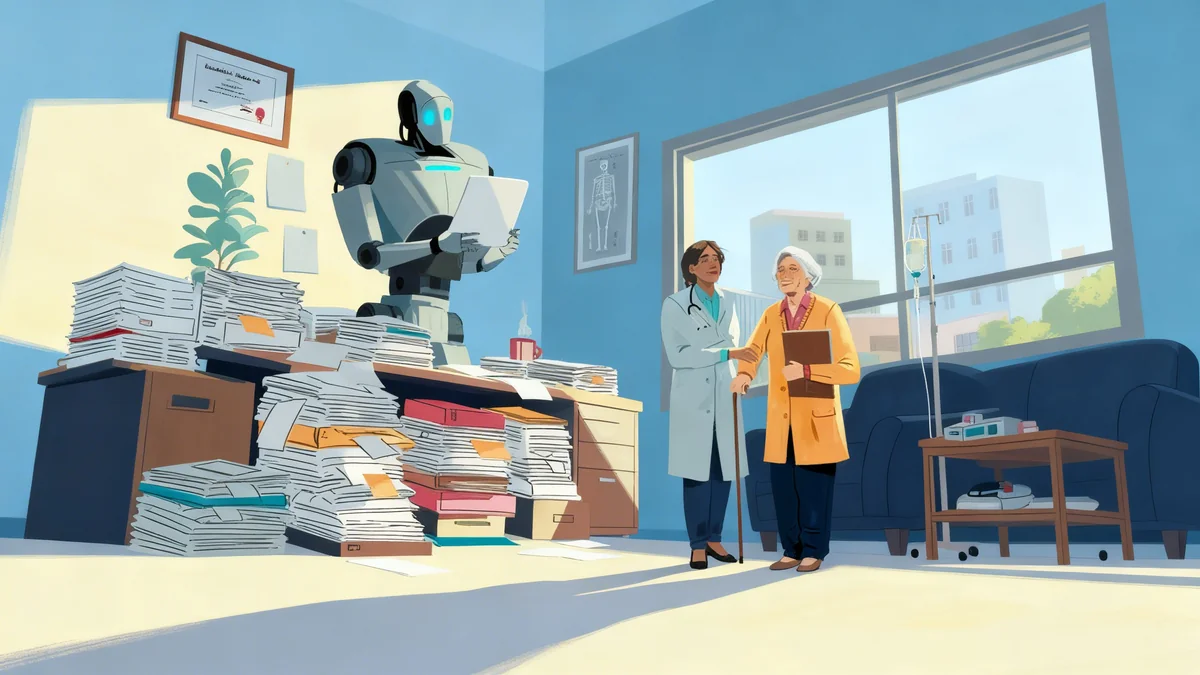
The study does not advocate for replacing human radiologists with algorithms. Instead, it positions AI as a highly effective assistant. The screening process in the trial still required at least one radiologist to make the final diagnosis with AI support.
Organizations like Cancer Research UK and Breast Cancer Now have reacted positively but with similar prudence. Dr. Sowmiya Moorthie, a senior manager at Cancer Research UK, described the findings as promising but noted that more research is needed to confirm if this approach will ultimately save lives, as the results come from a single center.
Simon Vincent, chief scientific officer at Breast Cancer Now, echoed this sentiment. "This study shows real promise for earlier diagnosis that could improve and save lives," he said. He pointed to ongoing trials in the UK's National Health Service as crucial next steps to determine the safest and most effective ways to integrate these tools into widespread practice.
As healthcare systems face growing demand and workforce shortages, innovations like AI-assisted screening could become vital. This study provides strong evidence that technology, when thoughtfully applied, can enhance the skills of medical professionals and lead to better patient outcomes.