



OpenAI CEO Sam Altman has initiated a company-wide 'code red' to accelerate improvements to ChatGPT, responding to intense competitive pressure from Google's latest artificial intelligence model, Gemini 3. In an internal memo, Altman described the current situation as a "critical time" for the company's flagship product, signaling a significant shift in priorities within the AI pioneer.
Key Takeaways
- OpenAI CEO Sam Altman issued a 'code red' to staff, emphasizing the need to urgently improve ChatGPT.
- The move is a direct response to the successful launch of Google's advanced AI model, Gemini 3.
- Altman warned employees of potential "temporary economic headwinds" due to the heightened competition.
- The company is delaying plans to introduce advertising in ChatGPT to focus entirely on product development.
A 'Critical Time' for ChatGPT
Internal communications reveal a sense of urgency at OpenAI as the company grapples with a rapidly evolving AI landscape. Sam Altman told employees that the company is at a pivotal moment, prompting a reallocation of internal resources to bolster ChatGPT's capabilities.
The declaration of a 'code red' underscores the seriousness of the challenge posed by rivals. Altman cautioned staff to prepare for a difficult period, stating in a memo, "I expect the vibes out there to be rough for a bit." This candid admission highlights the company's awareness that its market dominance is no longer guaranteed.
The Rise of a Rival
Google's Gemini 3 has emerged as a formidable competitor, outperforming other models on several industry benchmarks. Its advanced reasoning, speed, and multimodal capabilities (handling images and video) have captured the attention of the tech industry, forcing competitors to react swiftly.
The Gemini Effect: A New Challenger Emerges
The primary catalyst for OpenAI's urgent mobilization is the performance of Google's Gemini 3. The model's capabilities have not only impressed analysts but have also started to sway influential figures in the technology sector.
A significant public endorsement came from Marc Benioff, the CEO of Salesforce. In a post on the social media platform X, Benioff announced he was switching to Gemini 3 after years of daily ChatGPT use.
"I’ve used ChatGPT every day for 3 years. Just spent 2 hours on Gemini 3. I’m not going back. The leap is insane – reasoning, speed, images, video … everything is sharper and faster. It feels like the world just changed, again," he wrote.
This kind of high-profile defection represents a tangible threat to ChatGPT's user base, which currently stands at 800 million weekly users. While OpenAI pioneered the generative AI boom, Google possesses vast data resources and the financial strength of its search business to pour into its AI development.
Strategic Shifts and Financial Stakes
In response to the competitive heat, OpenAI is making significant strategic adjustments. The company has decided to postpone its plans to integrate advertising into ChatGPT. This move allows the development team to concentrate fully on core product enhancements rather than monetization features.
The financial stakes for OpenAI are immense. Despite being a loss-making entity, the company recently achieved a valuation of $500 billion, a dramatic increase from $157 billion in October of the previous year. It projects annual revenues will exceed $20 billion by the end of the year, with Altman forecasting this could grow to "hundreds of billions" by 2030.
A Trillion-Dollar Bet on AI Infrastructure
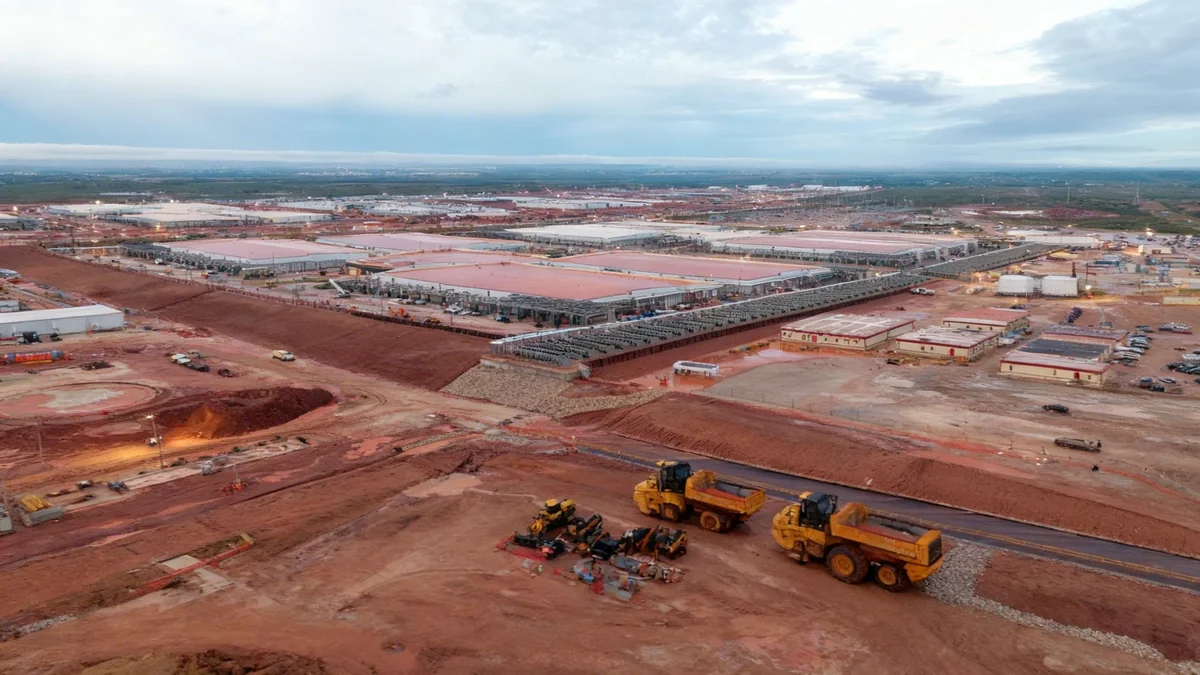
To power its future models, OpenAI has committed to spending a staggering $1.4 trillion on datacentre costs over the next eight years. Altman justified the expenditure by noting, "the risk of OpenAI of not having enough computing power is more significant and more likely than the risk of having too much."
This massive investment highlights the capital-intensive nature of the AI race. While OpenAI has secured substantial funding from partners like Microsoft and SoftBank, it lacks the consistent cash flow of competitors like Google, Meta, and Amazon, which is a major backer of rival AI firm Anthropic.
Wider Industry Ripples
The intensified competition between OpenAI and Google is forcing other major tech players to re-evaluate their own AI strategies. Apple, which has been perceived as moving more cautiously in the AI space, has also made significant changes.
The company recently appointed Amar Subramanya, a former Microsoft executive, as its new vice president of AI. Subramanya's background is particularly relevant; before his time at Microsoft, he spent 16 years at Google, where he was involved in engineering for the Gemini assistant. This hire signals Apple's intent to become more aggressive in its AI development.
However, Apple still faces challenges. The company has reportedly delayed significant AI-powered improvements to its voice assistant, Siri, until 2026. This timeline puts it behind competitors like Samsung, which have already integrated advanced AI features into their devices. The 'code red' at OpenAI is not an isolated event but a clear indicator of a new, more intense phase of competition across the entire technology industry.