



Nvidia, the chipmaker at the heart of the global artificial intelligence surge, has reached a valuation exceeding $4 trillion, cementing its role as a critical player in the world economy. However, as the company's influence grows, so does the scrutiny of its complex and often circular business deals, prompting questions about the long-term sustainability of its extraordinary growth.
Key Takeaways
- Nvidia's valuation has surpassed $4 trillion, driven by its dominance in the AI chip market.
- Investors and analysts are examining the company's use of intricate financing deals, including arrangements that resemble vendor financing.
- Comparisons to past corporate collapses like Enron and Lucent have emerged, though key differences exist in transparency and debt structure.
- The company's future success is heavily dependent on the AI industry achieving rapid, large-scale profitability to justify massive infrastructure investments.
The Rise of a Tech Titan and Growing Concerns
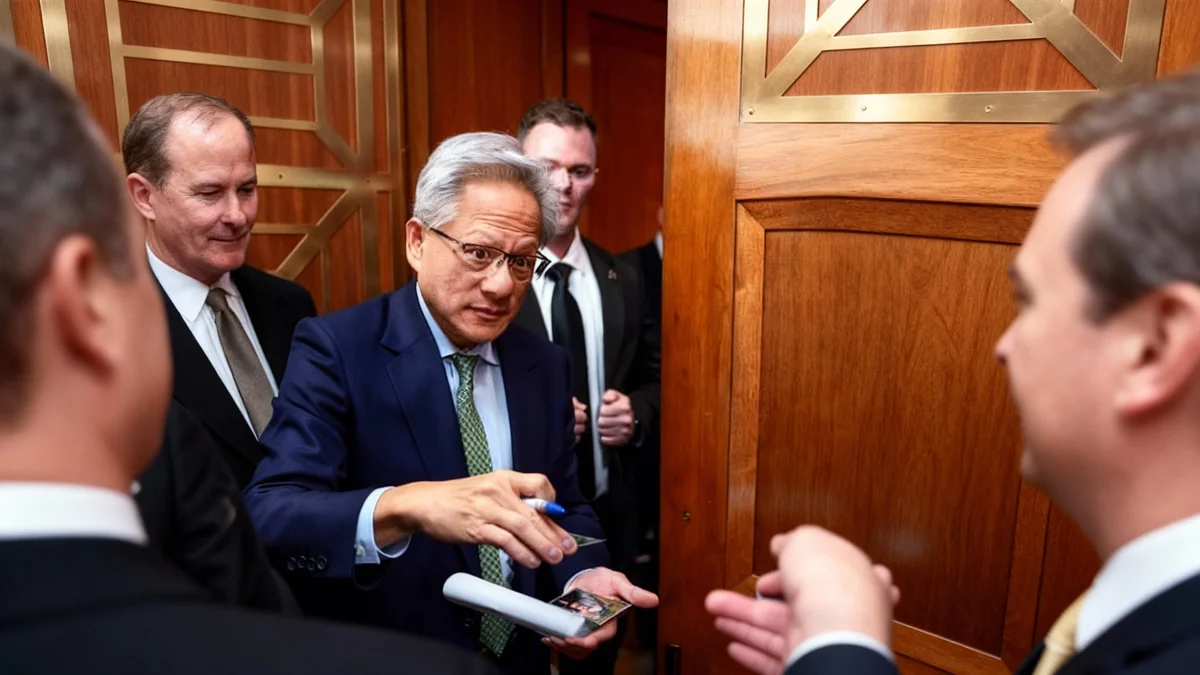
Nvidia's position in the tech world is unparalleled. Its specialized chips and software are the essential building blocks for training and operating advanced AI systems like ChatGPT. This has led to a series of massive deals in the past year, totaling at least $125 billion, fueling a stock surge and a global tour for CEO Jensen Huang.
Despite this success, a pattern in Nvidia's business arrangements has attracted attention. Many of its largest deals appear to be circular, where Nvidia invests in a company that then uses the funds to purchase Nvidia's own products. This practice has led some to draw parallels with historical tech collapses, even as Nvidia maintains its financial practices are sound.
What is Vendor Financing?
Vendor financing is a practice where a company lends money to a customer so that the customer can afford to buy its products. While not illegal, it can create an artificial sense of demand and pose significant risks if the customers are unable to repay the loans, a situation that contributed to the downfall of companies like Lucent Technologies during the dot-com bubble.
Nvidia has directly addressed these concerns. In a leaked internal memo, the company stated it “does not rely on vendor financing arrangements to grow revenue,” seeking to distance itself from the troubled legacy of companies from the early 2000s.
Examining the Circular Deals
Several high-profile partnerships highlight the structure causing concern. One of the most significant is an arrangement with OpenAI, the creator of ChatGPT. The deal involves Nvidia investing $10 billion annually into OpenAI for a decade, with a substantial portion of that capital expected to be spent on Nvidia's technology.
Another key player is CoreWeave, a cloud provider that leases computing capacity—powered by Nvidia chips—to AI firms. Nvidia is a key investor in CoreWeave, which in turn is a major customer. Michael Intrator, CEO of CoreWeave, defended such collaborations, stating that in the face of a “violent change in supply and demand,” companies must work together to build out the necessary infrastructure.
“I have to say the words ‘vendor financing’ do not carry nice reflections to somebody of my age. It’s not quite like what many of the telecom suppliers were up to in 1999-2000, but it has certain rhymes to it.”
- James Anderson, Tech Investor
While acknowledging he is a “huge admirer” of Nvidia, renowned tech investor James Anderson expressed reservations about the OpenAI deal, noting it gives him “more reason to be concerned.” His comments reflect a broader sentiment among some market watchers who see echoes of past financial engineering.
Enron Comparisons and Special Purpose Vehicles
The conversation has also turned to Special Purpose Vehicles (SPVs), a financial tool infamously used by Enron to hide debt and inflate earnings before its collapse in 2001. Nvidia has utilized SPVs in some financing deals, including a $2 billion investment into an entity linked to Elon Musk's xAI, which will use the funds to buy Nvidia chips.
However, analysts are quick to point out crucial differences. Ed Zitron, a journalist and noted skeptic of the AI boom, argues that Nvidia is not Enron. He observes that the company is being transparent about its deals and is not using SPVs to conceal liabilities in the same way. Similarly, Nvidia is not taking on the same level of debt that crippled Lucent Technologies.
A Question of Sustainability, Not Legality
The primary concern for analysts is not the legality of Nvidia's arrangements but their long-term viability. Charlie Dai, an analyst at Forrester, notes that Nvidia “is not hiding debt, but it is leaning heavily on vendor-financed demand, which creates exposure if AI growth slows.” The risk lies in whether the AI boom will generate enough revenue for Nvidia's customers to become self-sustaining.
If the promised AI revolution fails to materialize quickly, Nvidia could face significant financial repercussions. These could include write-downs on its equity stakes in partner companies and losses from unpaid receivables if its customers cannot pay for the chips they've purchased.
The Multi-Trillion Dollar Bet on an AI Future
Nvidia's leadership remains confident. In remarks to investors, Chief Financial Officer Colette Kress dismissed fears of an AI bubble. She pointed to trillions of dollars in future business opportunities, particularly in upgrading existing data centers worldwide with Nvidia's advanced technology.
The company's strategy also includes large-scale, multi-billion dollar partnerships with sovereign nations. These deals, while less circular, introduce their own set of uncertainties.
- South Korea: A deal to supply 260,000 of its new Blackwell chips to the government and local companies, with an undisclosed but estimated multi-billion dollar value.
- Saudi Arabia: A commitment from the government-owned AI startup, Humain, to deploy up to 600,000 Nvidia chips, with the purchase timeline and price remaining private.
- Europe: Strategic partnerships with Italy, French AI company Mistral, and Deutsche Telekom, all involving thousands of chips and undisclosed sums.
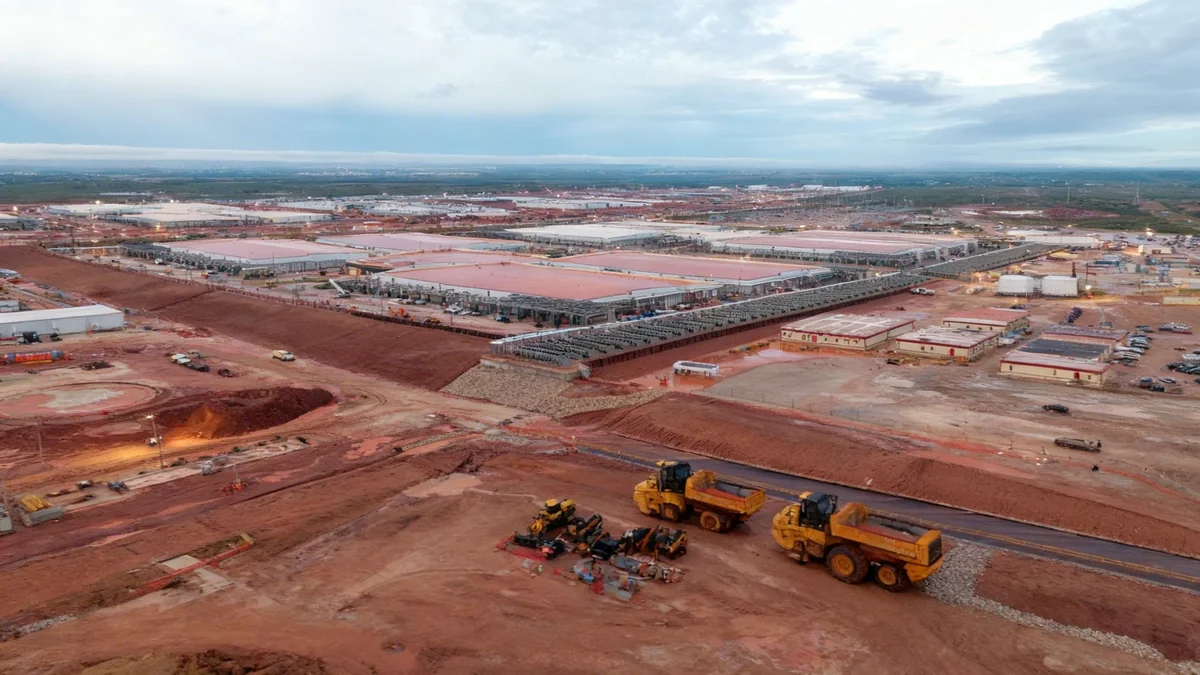
These massive commitments rely on the assumption that the global economy is on the cusp of a transformation powered by artificial intelligence. Nvidia and its partners are betting that the immense capital outlay for building AI infrastructure will pay off. The health of Nvidia, and by extension a significant portion of the global economy, now depends on that bet being right—and paying off in time.