

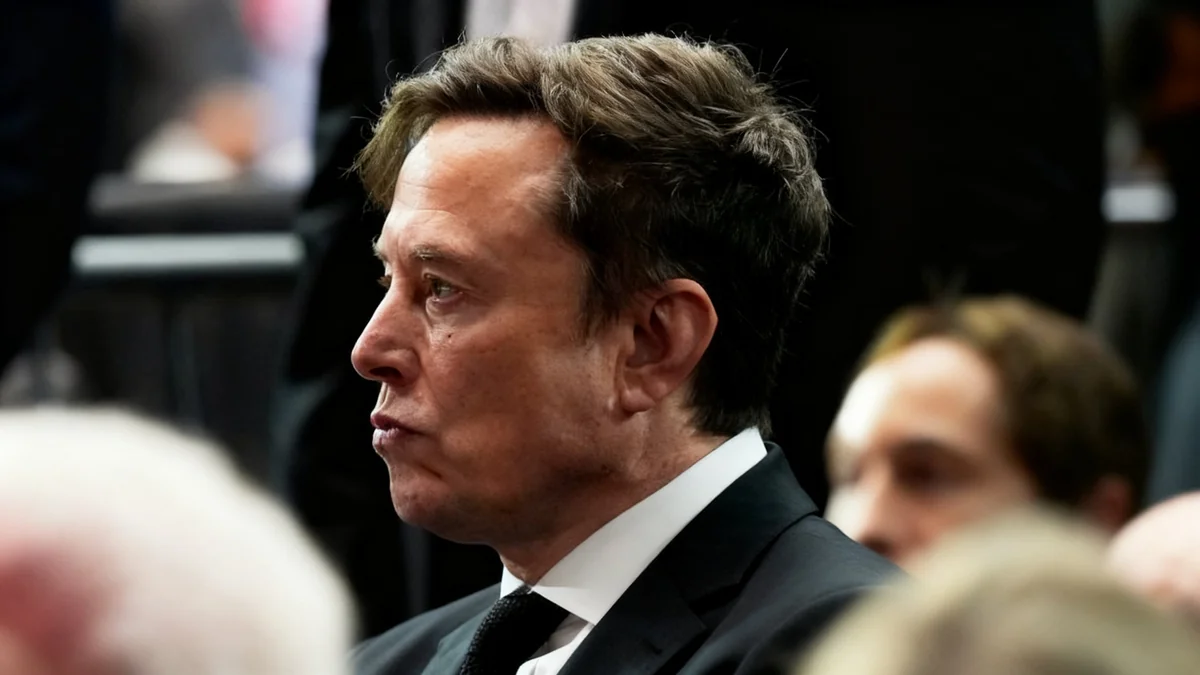

Elon Musk recently highlighted a fundamental connection between Bitcoin, energy, and the rapidly expanding field of artificial intelligence. In a statement, Musk asserted that Bitcoin's value is intrinsically tied to energy, a resource he described as impossible to counterfeit, unlike traditional government-issued currencies.
His comments come as the global demand for energy is set to skyrocket, driven largely by the massive computational needs of AI development. Musk endorsed the view that AI represents a new global competition, suggesting that the energy underpinning Bitcoin could play a significant role in this new technological era.
Key Takeaways
- Elon Musk stated that Bitcoin is fundamentally "based on energy," which he considers a more reliable foundation than fiat currency.
- He drew a parallel between the energy required for Bitcoin mining and the escalating energy demands of the artificial intelligence industry.
- Musk agreed with the characterization of AI as a "new global arms race," implying a strategic importance for energy resources.
- The comments reframe the debate on Bitcoin's energy consumption, linking it to the necessary power infrastructure for future technological growth.
Energy as a Foundational Asset
Elon Musk's central argument focuses on the nature of value and currency. He contrasted government-issued fiat money, which can be created in unlimited quantities, with the physical reality of energy. According to Musk, this distinction makes energy a more stable and trustworthy basis for a currency system.
"Bitcoin is based on energy," Musk said. He elaborated on this point by adding, "it's impossible to fake energy."
This perspective directly relates to Bitcoin's Proof-of-Work (PoW) consensus mechanism. To create new bitcoins and validate transactions, miners must solve complex mathematical problems. This process, known as mining, requires significant computational power and, consequently, a substantial amount of electrical energy. The energy expended serves as a tangible cost for creating each new coin, anchoring its value in a real-world resource.
Understanding Proof-of-Work
Proof-of-Work is the system that secures the Bitcoin network. It requires participants (miners) to expend energy to solve a puzzle. The first to solve it gets to add the next block of transactions to the blockchain and is rewarded with new bitcoin. This energy expenditure makes it prohibitively expensive for malicious actors to alter the transaction history, thereby securing the network.
By framing energy as the ultimate standard of value, Musk suggests that Bitcoin possesses an inherent strength that fiat currencies lack. While central banks can implement policies like quantitative easing to increase the money supply, the energy required to mine Bitcoin cannot be similarly manipulated.
The Connection to the AI Revolution
Musk's comments gained further significance when he connected Bitcoin's energy-based model to the explosive growth of artificial intelligence. He concurred with a statement from the financial outlet ZeroHedge, which described the current AI landscape as a "new global arms race." This race is defined by immense capital expenditure, primarily directed toward building the energy-intensive infrastructure needed for AI models.
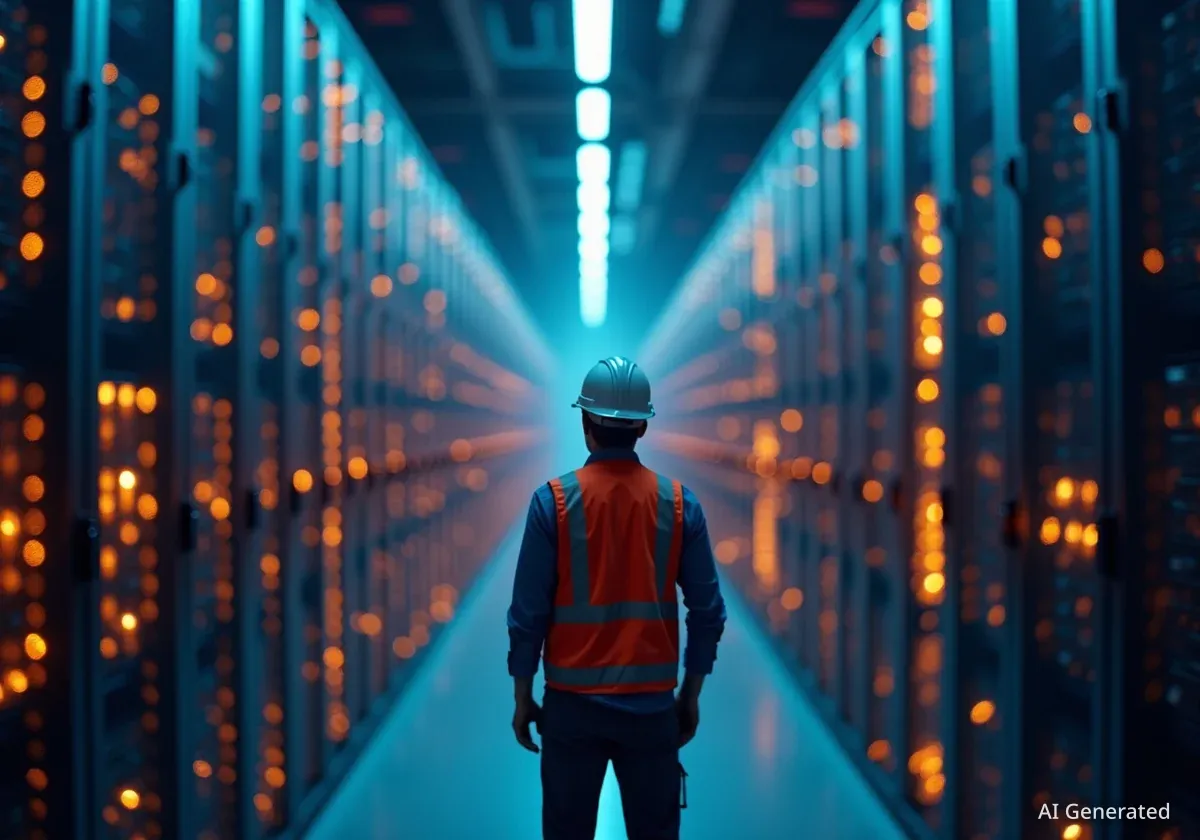
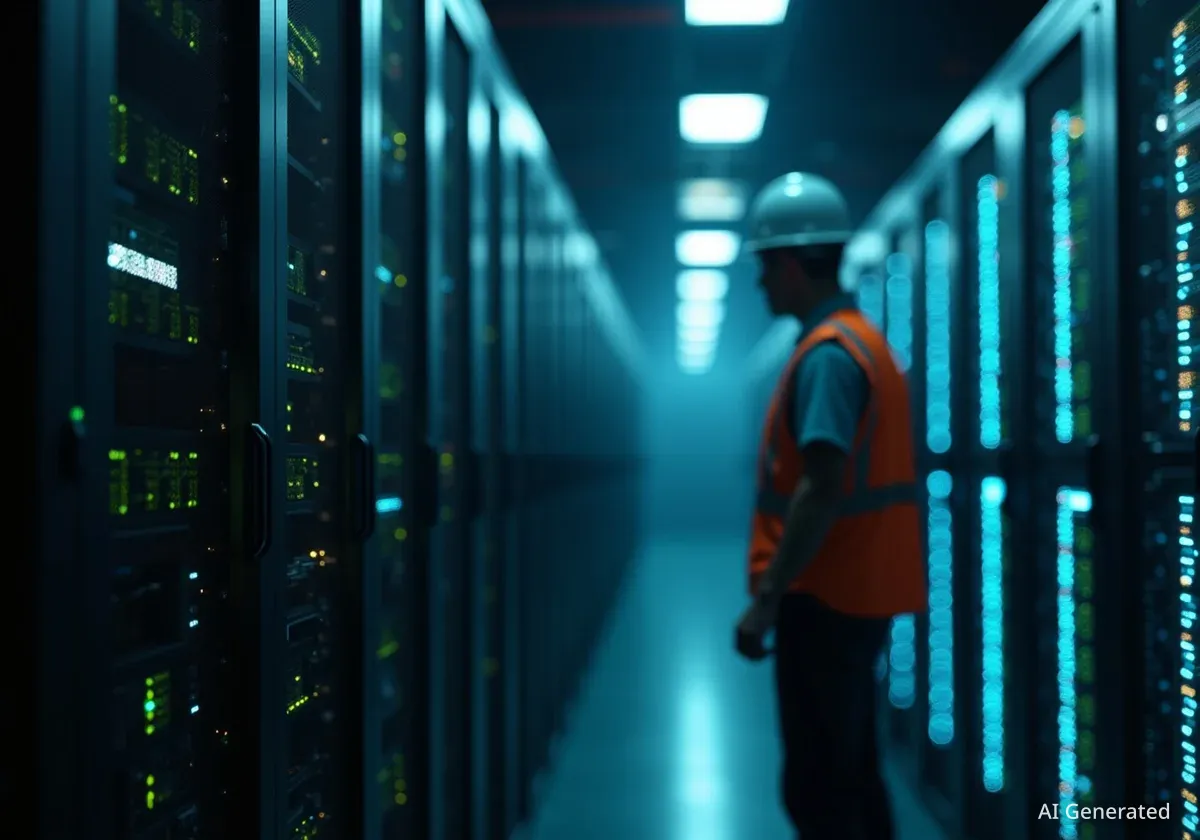
The development and operation of advanced AI systems, such as large language models (LLMs), require vast data centers filled with powerful processors. These facilities consume enormous amounts of electricity, a demand that is projected to grow exponentially in the coming years.
AI's Growing Energy Appetite
According to some industry estimates, the electricity consumption of the AI sector could rival that of entire countries within the next decade. Training a single large AI model can consume as much electricity as thousands of households use in a year. This has placed immense pressure on global energy grids and supply chains.
Musk's argument implies a future where the two most disruptive technologies of our time—cryptocurrency and AI—are competing for and reliant on the same fundamental resource: energy. This shared dependency could create a new economic dynamic where an energy-backed asset like Bitcoin becomes increasingly relevant as the world's power consumption for computation rises.
Reframing the Bitcoin Energy Debate
For years, Bitcoin has faced criticism for its high energy consumption. Environmental advocates have raised concerns about the carbon footprint of mining operations, particularly those powered by fossil fuels. The debate has often centered on whether the utility of a decentralized digital currency justifies its environmental impact.
Musk's recent statements offer a different lens through which to view this issue. Instead of seeing Bitcoin's energy use as a flaw, he presents it as a core feature that ensures its security and value. By linking it to the equally energy-hungry AI industry, he normalizes large-scale energy consumption as a necessary cost of technological progress.
Key aspects of the ongoing energy discussion include:
- Renewable Energy Adoption: A growing percentage of Bitcoin mining is powered by renewable sources like hydro, solar, and wind. Miners are often incentivized to seek out the cheapest available power, which is increasingly from renewables or otherwise wasted energy sources, such as flared natural gas.
- Grid Stabilization: Proponents argue that Bitcoin miners can help stabilize power grids. By providing a flexible load, miners can absorb excess energy during periods of low demand and power down during peak demand, creating a more efficient and resilient grid.
- Technological Efficiency: Advances in mining hardware and software continuously improve energy efficiency. Newer-generation mining rigs can perform more computations per watt of electricity consumed.
By placing Bitcoin's energy needs in the context of AI's much larger and faster-growing requirements, Musk's comments may shift the public conversation. The focus could move from criticizing Bitcoin's consumption to a broader discussion about how to sustainably power the future of global computation.
Broader Market and Technological Implications
As a prominent figure in technology and finance, Elon Musk's opinions often have a tangible impact on market sentiment. His framing of Bitcoin as an energy-based asset could reinforce its narrative as a store of value, similar to digital gold, particularly among investors concerned about inflation and currency debasement.
The convergence of AI, energy, and decentralized finance represents a major paradigm shift. As AI systems become more autonomous, they may require a native digital currency for machine-to-machine transactions. An energy-backed, decentralized currency like Bitcoin could be a logical candidate for such an ecosystem.
Ultimately, Musk's perspective ties the future of digital assets directly to the world's ability to produce and manage energy. In an era defined by a computational "arms race," the technologies that are most fundamentally linked to this core resource may be positioned for long-term strategic relevance.