AI Now Sees Optical Illusions, Unlocking Brain Secrets
Scientists have discovered that some AI systems can be fooled by optical illusions, providing a powerful new tool to understand the human brain's visual processing.
8 articles tagged

Scientists have discovered that some AI systems can be fooled by optical illusions, providing a powerful new tool to understand the human brain's visual processing.

New studies from MIT and other institutions suggest that over-reliance on AI tools like ChatGPT may reduce brain activity and diminish critical thinking skills.

Tech leaders predict superintelligent AI is imminent, but neuroscience suggests their approach is flawed. Current AI masters language, not thought, a key distinction that could halt the path to AGI.

Researchers at the University of Surrey have developed a new AI model that mimics the human brain's wiring to improve efficiency and reduce energy consumption.

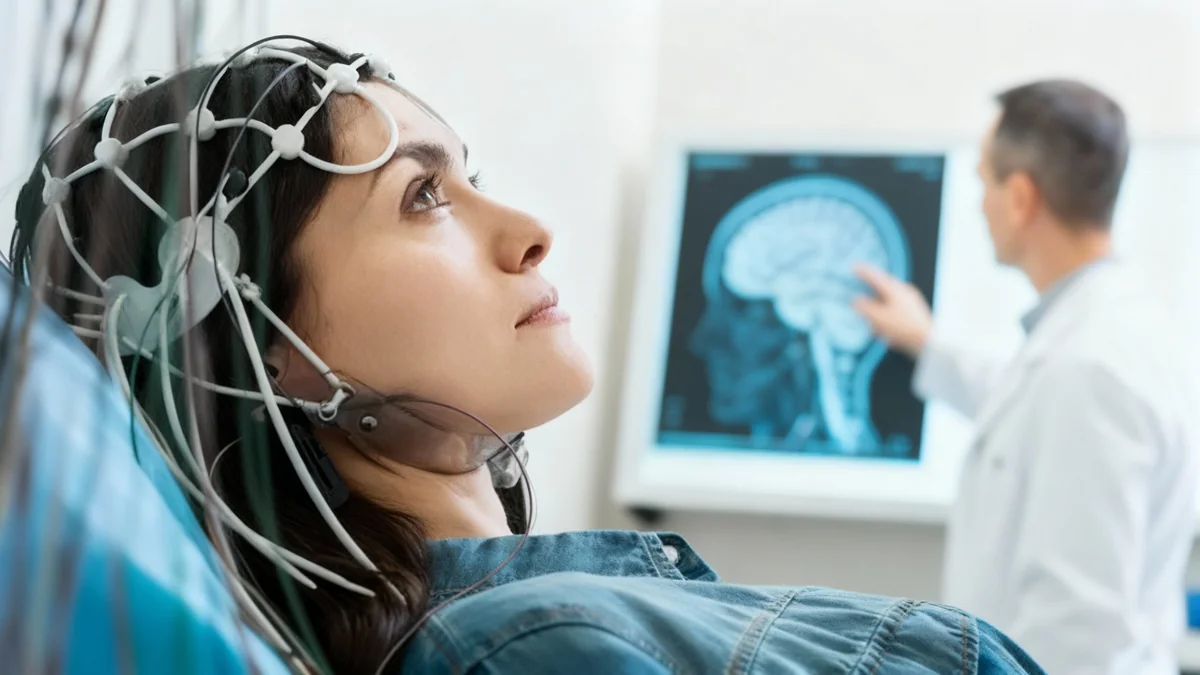
A new study using machine learning found that adults with ADHD have unique visual processing patterns, allowing for classification with over 90% accuracy.

A new generation of companies, including Neuralink and Precision Neuroscience, are developing brain-computer interfaces to link human minds directly with AI and computers.

Scientists are developing a new form of computing using lab-grown clusters of human brain cells, known as organoids, to process information with high energy efficiency.

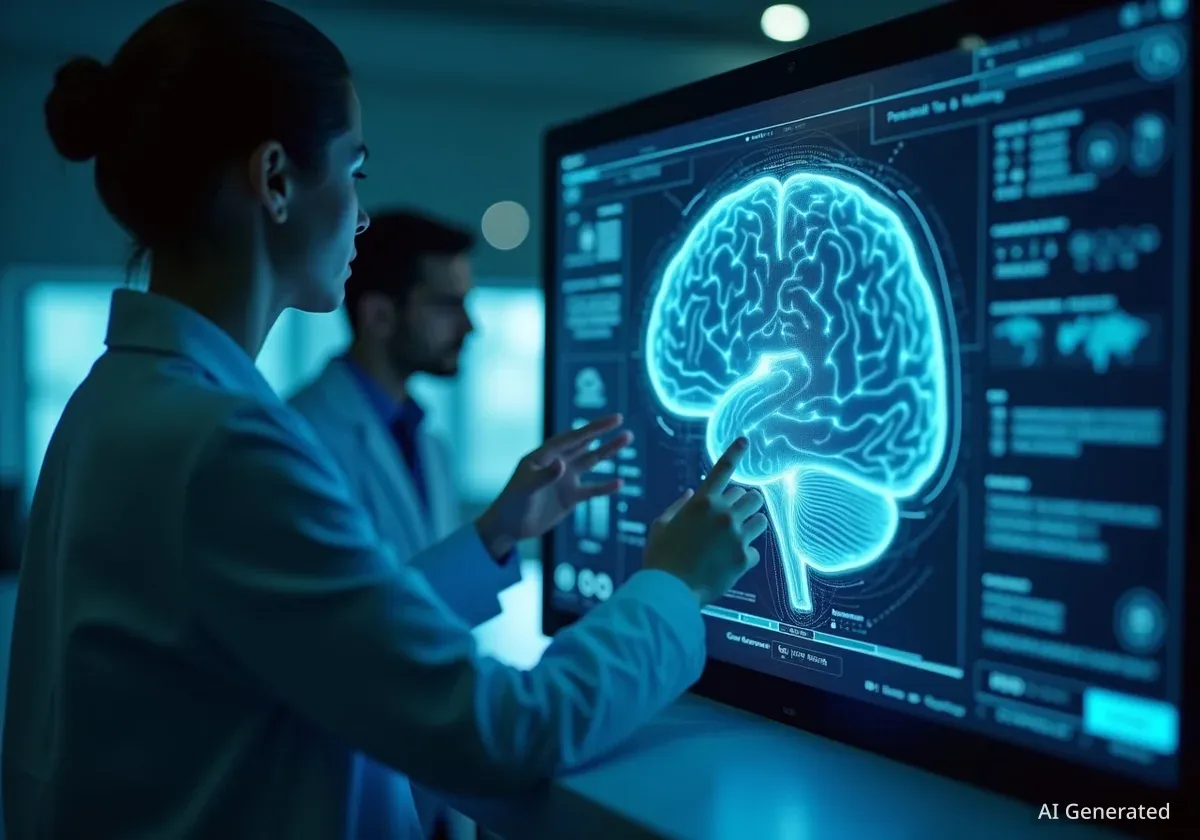
Researchers at the Medical University of South Carolina used AI and brain imaging to predict the success of rTMS therapy for smokers trying to quit.