AI Job Fears Shake Markets as Tech Layoffs Signal Shift
Recent tech layoffs, spearheaded by Block CEO Jack Dorsey, have ignited market fears over AI-driven job displacement, even as Wall Street pushes back.
15 articles tagged

Recent tech layoffs, spearheaded by Block CEO Jack Dorsey, have ignited market fears over AI-driven job displacement, even as Wall Street pushes back.

Financial technology firm Block, co-founded by Jack Dorsey, is cutting its workforce by 40%, laying off over 4,000 employees due to AI-driven efficiency.

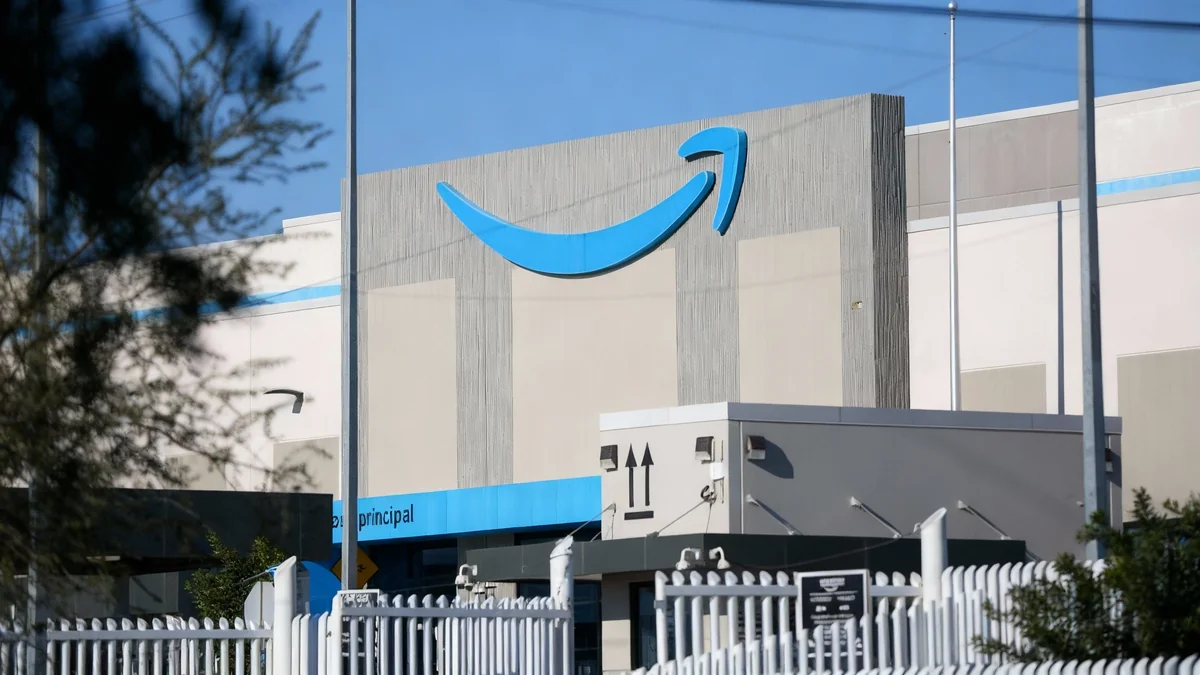
Amazon announced it is cutting an additional 16,000 jobs, bringing the recent total to 30,000, as it restructures to prioritize speed and AI development.

Artificial intelligence has been cited as a key factor in nearly 55,000 U.S. job cuts in 2025, part of a larger trend that saw 1.17 million layoffs this year.

US companies announced over 150,000 job cuts in October, the highest for the month in two decades, driven by cost-cutting and the rise of artificial intelligence.

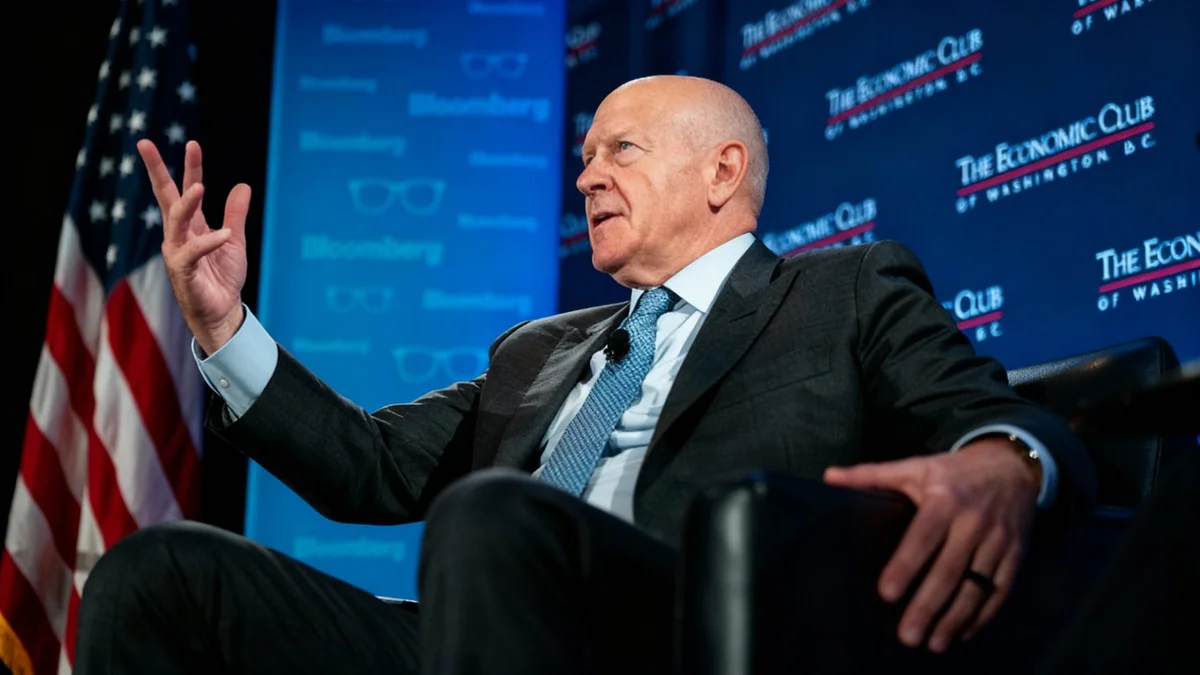
Goldman Sachs CEO David Solomon compares AI's labor impact to the industrial revolution, suggesting long-term adaptation amid growing fears of white-collar job cuts.

Major US corporations like Amazon and UPS are cutting tens of thousands of white-collar jobs despite reporting strong profits, creating a 'jobless growth' economy.

Major companies cite AI for recent layoffs, but economists suggest a post-pandemic economic correction may be the larger cause. Is AI a scapegoat or the real driver?

Online learning platform Chegg is cutting 45% of its workforce, or 388 employees, and bringing back Dan Rosensweig as CEO amid pressures from AI and Google.

A massive AWS outage that disrupted the internet for over 15 hours is raising questions about the impact of recent layoffs and the company's growing reliance on AI.

Technology companies are cutting thousands of jobs, citing future AI productivity, which raises economic and political concerns amid signs of instability.

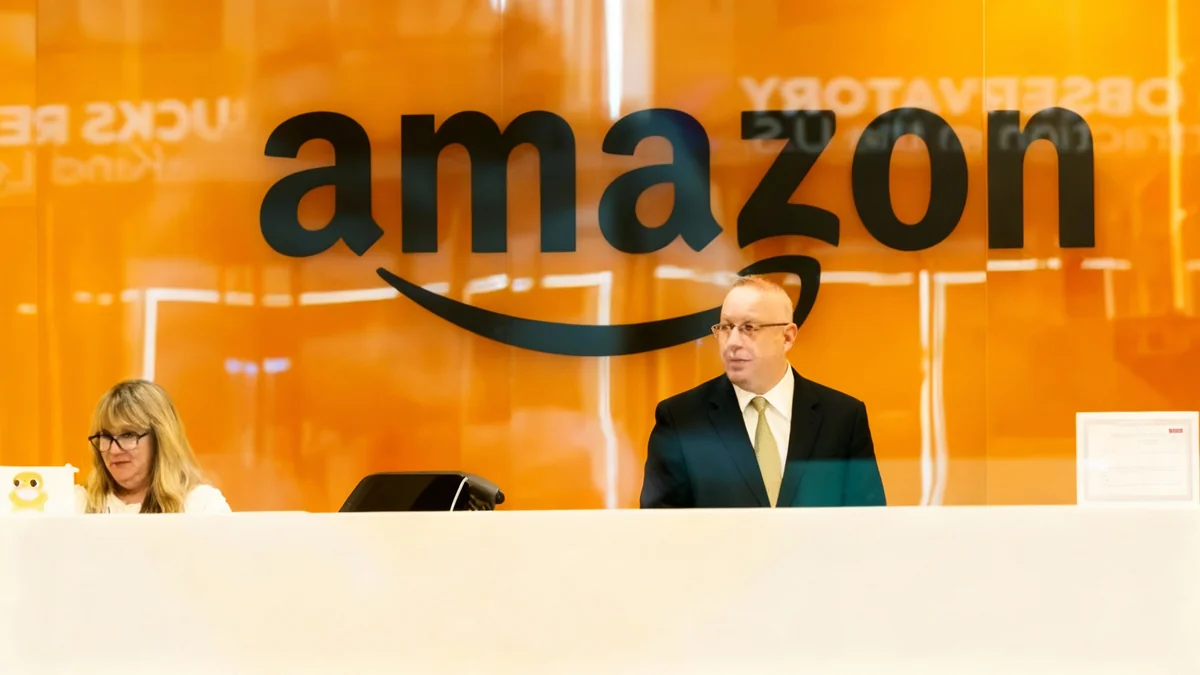
Amazon plans to reduce its human resources staff by 15% as part of a strategic shift toward AI, while still hiring 250,000 seasonal workers.