Elon Musk Predicts a Future Where Work Is Optional
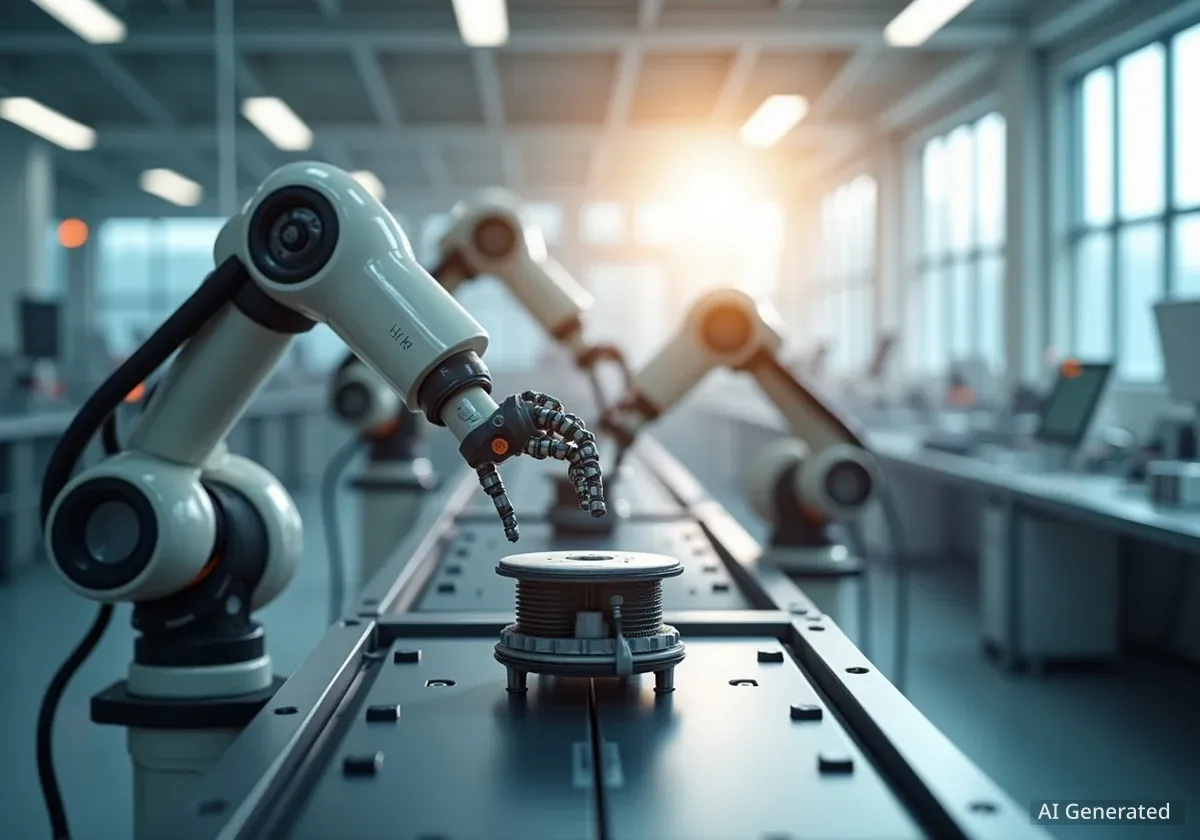
Elon Musk predicts that within 10 to 20 years, AI and robotics will make work optional, creating a society of abundance supported by universal high income.
15 articles tagged

Elon Musk predicts that within 10 to 20 years, AI and robotics will make work optional, creating a society of abundance supported by universal high income.

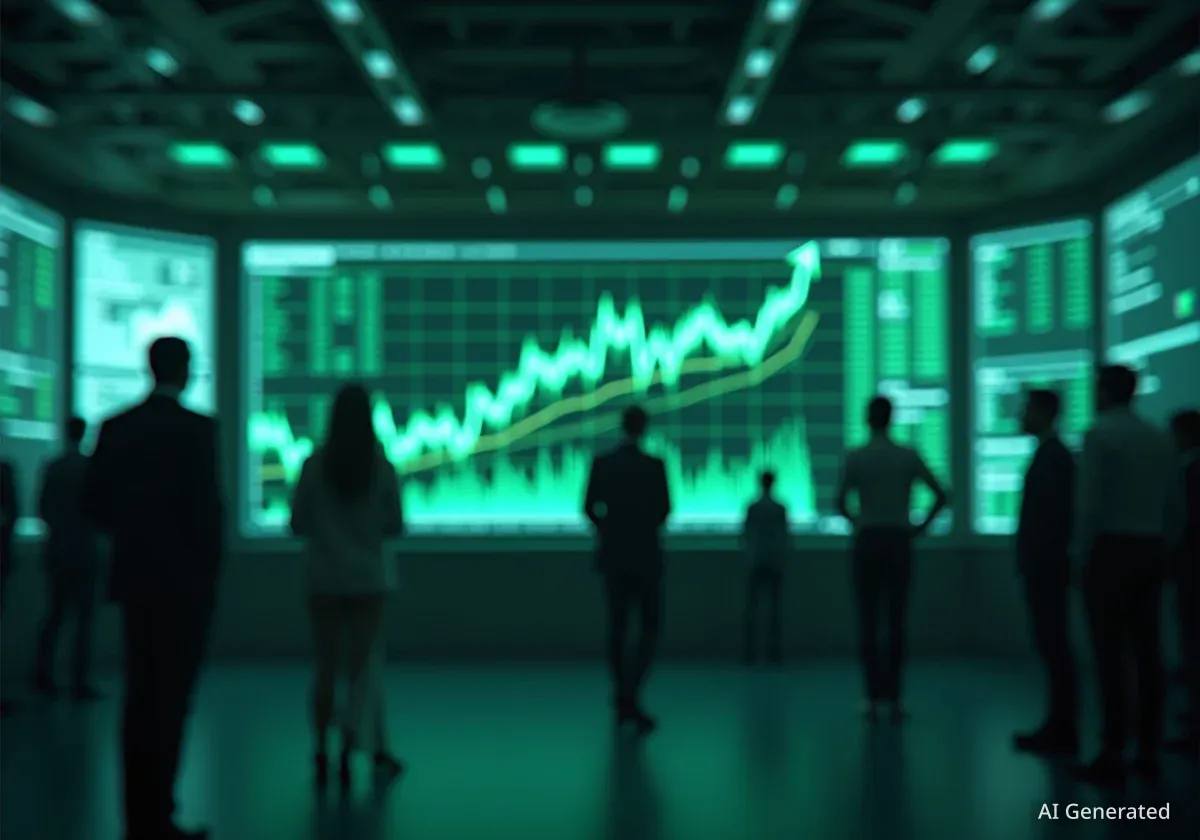
AI stocks like Nvidia and Microsoft surged on Monday, leading a broad market rally fueled by hopes of an end to the U.S. government shutdown.

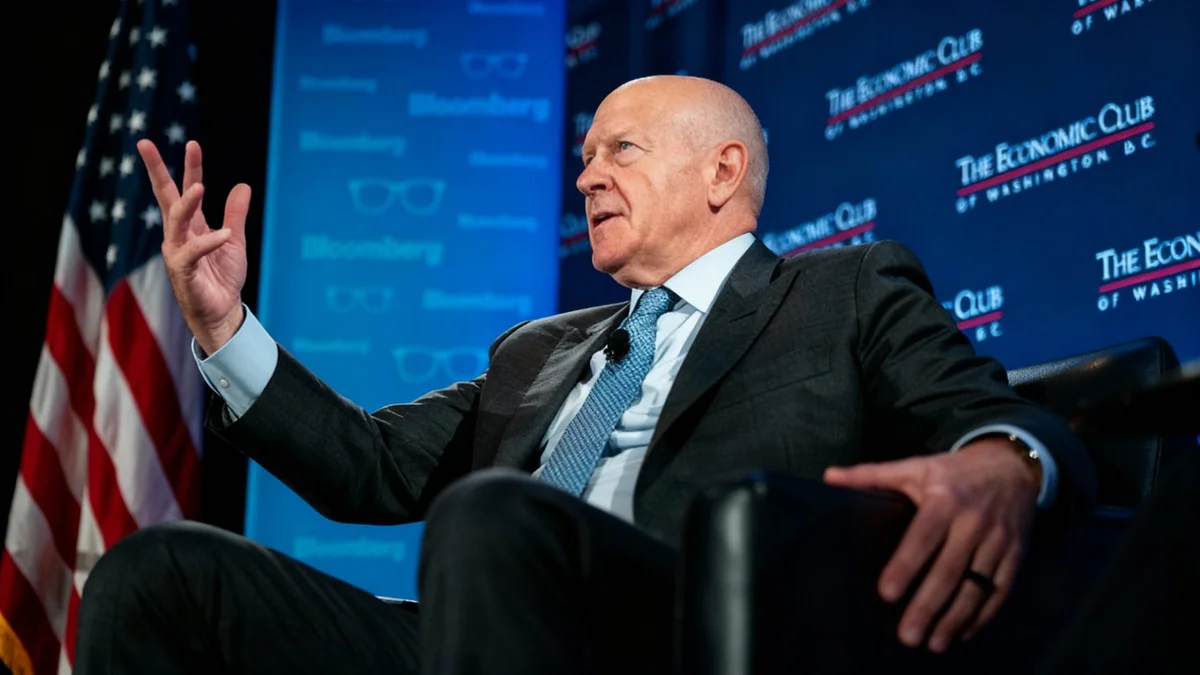
Goldman Sachs CEO David Solomon compares AI's labor impact to the industrial revolution, suggesting long-term adaptation amid growing fears of white-collar job cuts.

Nobel laureate Geoffrey Hinton warns that tech giants' massive AI investments will only be profitable by replacing human workers, challenging historical economic patterns.

Federal Reserve Chair Jerome Powell stated the current AI investment boom is not a repeat of the dot-com bubble, citing that AI companies have real earnings and profits.

Major companies cite AI for recent layoffs, but economists suggest a post-pandemic economic correction may be the larger cause. Is AI a scapegoat or the real driver?

Microsoft co-founder Bill Gates predicts that advancements in artificial intelligence could lead to a two-day work week for most people within the next decade.

U.S. electricity prices have surged 13% since 2022, with experts linking the increase to the massive energy demands of the growing AI industry.

Predictions of AI-driven job loss are being challenged by data showing the technology's poor economic returns, high costs, and questionable sustainability.

Artificial intelligence is automating the entry-level jobs that new graduates rely on, removing the first rung of the career ladder and creating a future skills gap.

Major AI companies like Nvidia, OpenAI, and Oracle are engaged in massive, circular financial deals, raising concerns about a potential market bubble.

The AI market boom is increasingly compared to the dot-com bubble, with analysts pointing to unsustainable spending and circular financing as key risks.