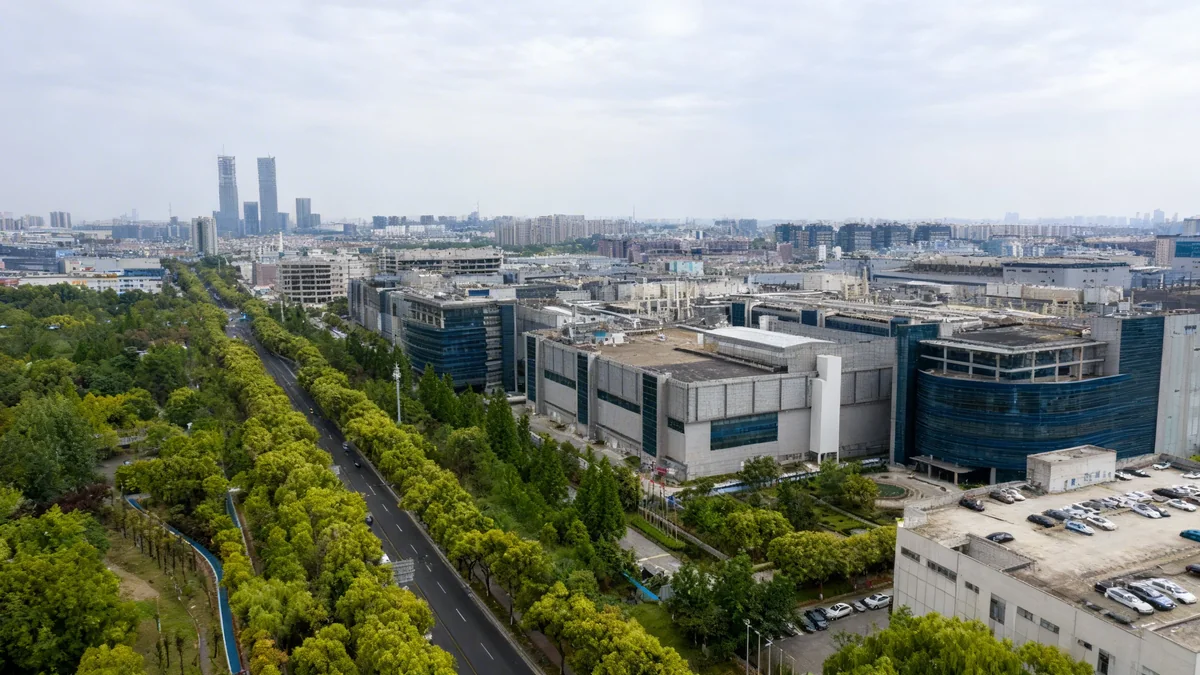
China's $150B Chip Plan Faces Performance Gap
Despite investing over $150 billion, China's semiconductor industry lags behind global rivals, creating a major bottleneck for its booming AI sector.

#Semiconductors#China#Artificial Intelligence
12 articles tagged
Despite investing over $150 billion, China's semiconductor industry lags behind global rivals, creating a major bottleneck for its booming AI sector.

A U.S. strategy to compete in China's tech market is facing challenges as Chinese firms reportedly reject Nvidia's H200 AI chips for domestic alternatives.
The Trump administration has reversed a key technology policy, allowing Nvidia to sell its H200 AI chips to China under a 25% surcharge.
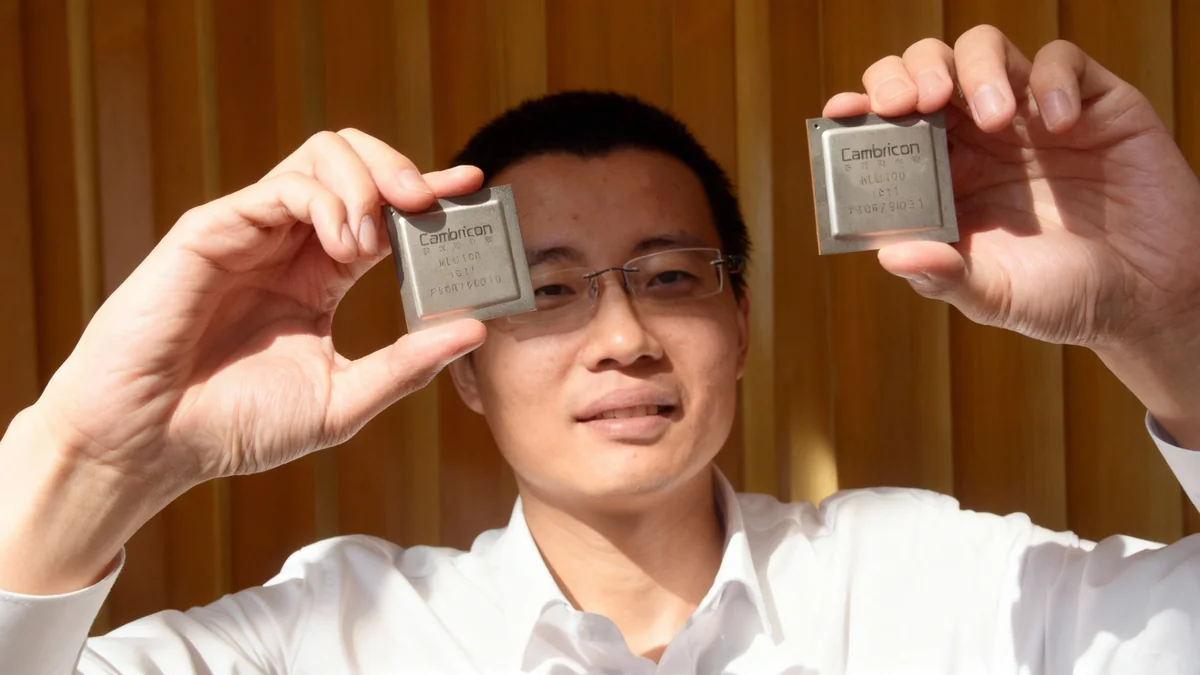
U.S. sanctions aimed at China's tech sector have unexpectedly propelled AI chip founder Chen Tianshi to a $23 billion fortune after his company filled the void.
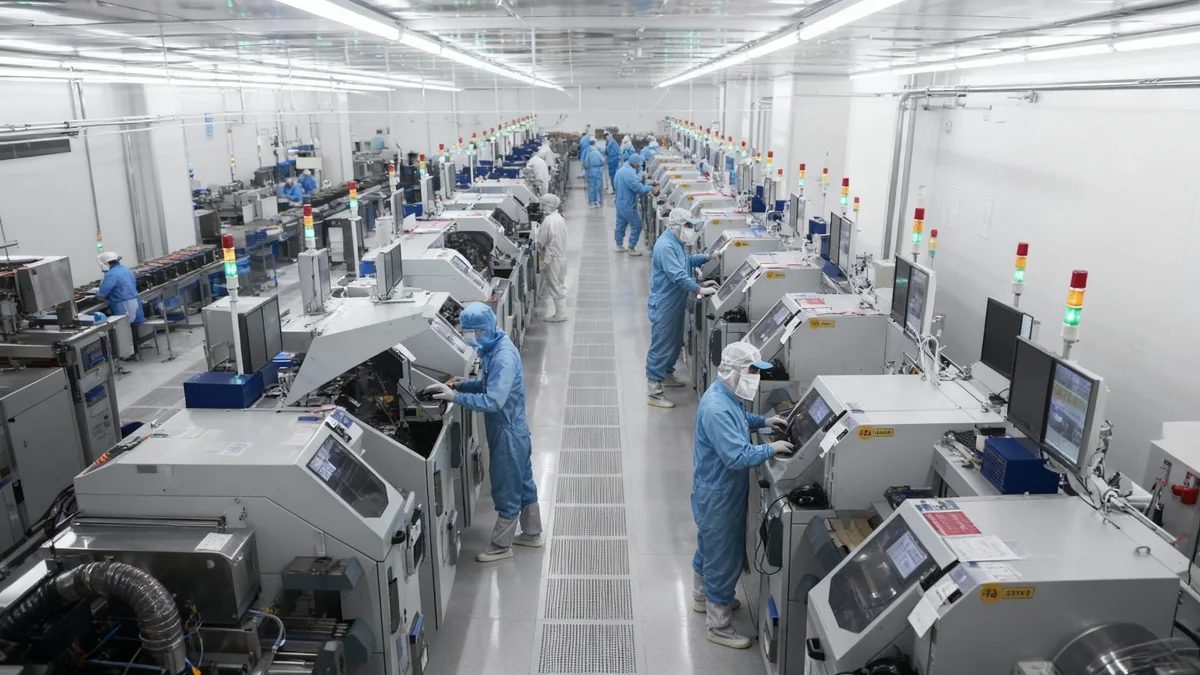
Facing a severe semiconductor shortage from U.S. restrictions, the Chinese government is now directly managing chip distribution to prioritize national champion Huawei.
Chinese tech firms like Huawei and Alibaba are launching new AI chips, intensifying competition with U.S.-based Nvidia amid a national push for self-sufficiency.
An analysis of Huawei's Ascend 910C AI chips revealed components from TSMC, Samsung, and SK hynix, likely from stockpiles acquired before U.S. sanctions.
Huawei has announced a comprehensive plan to make its entire artificial intelligence software stack open-source by December 31, 2025, to boost developer adoption.
Nvidia CEO Jensen Huang stated China is 'nanoseconds behind' the U.S. in chipmaking and called for fewer export restrictions to maintain American influence.
Huawei and DeepSeek are leading China's push for AI chip independence, developing domestic hardware to reduce reliance on U.S. technology from firms like Nvidia.
Huawei has announced its Atlas 950 and 960 AI computing systems, featuring proprietary Ascend NPUs, in a direct challenge to US technology leaders like Nvidia.
Huawei's hardware was used to retrain a major AI model to align with China's content rules, while India considers a 20-year tax break for data centers.