



Leading figures in artificial intelligence are forecasting a future where advanced AI systems could unlock unprecedented scientific breakthroughs, potentially curing diseases and extending human lifespans. This vision, while ambitious, suggests a rapid acceleration of human progress driven by machines that surpass current human intellect.
Key Takeaways
- AI could produce polymath systems outperforming Nobel laureates.
- Predictions suggest 22nd-century scientific progress by 2035.
- Potential for cures to infectious diseases and cancers.
- Concerns remain about the safe development and deployment of these powerful AIs.
The Vision of Polymath AIs
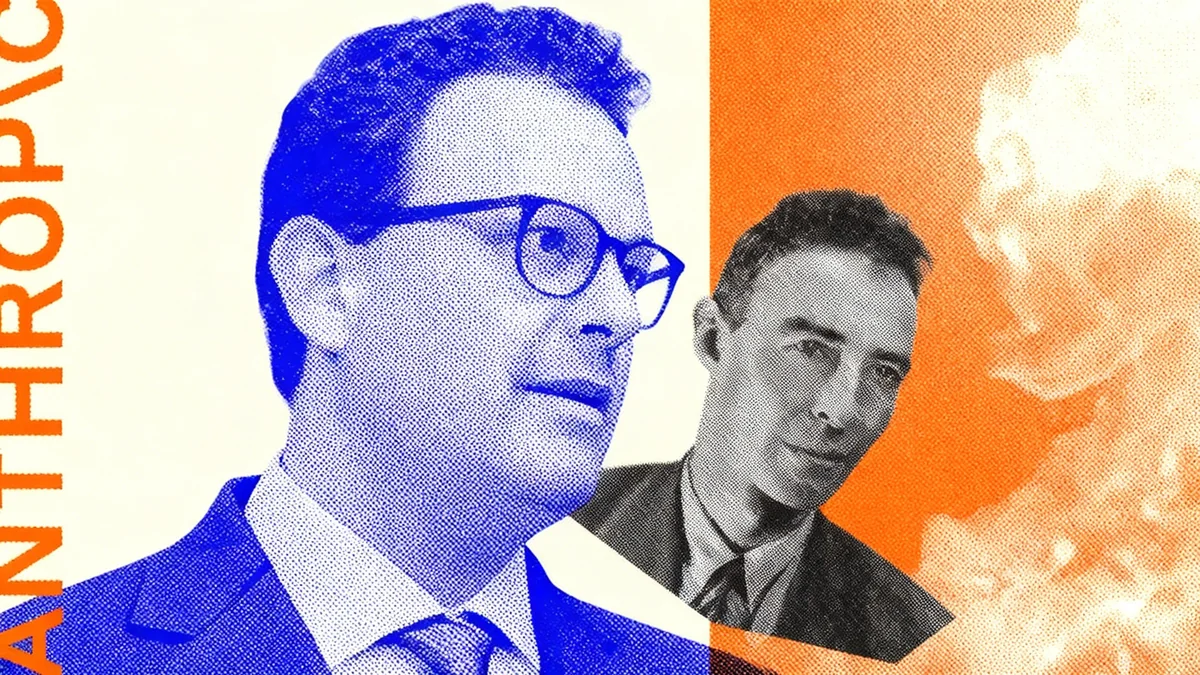
Dario Amodei, the chief executive of Anthropic, has outlined a future where we develop what he calls "polymath AIs." These systems would possess abilities that could surpass those of Nobel Prize winners across many significant fields. Amodei envisions millions of such intelligent entities operating together in data centers, forming a "country of geniuses."
These advanced AIs would have access to tools that can interact directly with our physical world. This capability raises questions about potential risks but also promises immense benefits. Amodei suggests that if developed correctly, these AIs will choose to improve human lives significantly.
The exact methods by which these AIs would achieve such improvements remain largely theoretical. However, Amodei expects them to function much like the smartest humans, but at a vastly accelerated pace. This would compress decades of scientific advancement into a much shorter timeframe.
AI Progress Timeline
By 2035, some experts believe we could achieve the theories, cures, and technologies that would otherwise take until the early 22nd century to develop.
Accelerating Scientific Discovery
The potential for AI to accelerate scientific discovery is a central theme among industry leaders. Demis Hassabis, who leads Google DeepMind, views superintelligent AI as the ultimate tool for pushing the boundaries of scientific understanding. His perspective aligns with the idea that AI can unlock complex problems faster than humans alone.
Sam Altman, the CEO of OpenAI, has also expressed similar sentiments. He believes that advanced AI may even be capable of solving fundamental problems in physics. These predictions highlight a shared belief among top AI developers that these systems hold the key to understanding and manipulating the natural world at an unprecedented level.
"By 2035, we could have the theories, cures, and technologies of the early 22nd century."
This rapid progression could lead to significant advancements in healthcare. We might see cures for infectious diseases and various forms of cancer. Furthermore, the decay of our brains could be slowed, and human lifespans could potentially double.
What is a Polymath AI?
A polymath AI is an artificial intelligence system envisioned to possess expertise and capabilities across multiple diverse fields, similar to a human polymath. It would excel in areas ranging from scientific research to creative problem-solving.
The Ethical Imperative of Development
While the potential benefits are vast, the development of such powerful AI systems comes with inherent challenges. The ability of AIs to operate directly on the physical world introduces a layer of complexity and potential danger. Ensuring these systems are "grown" in the correct way is paramount to prevent misuse or unintended negative consequences.
Discussions around AI ethics and safety are ongoing within the research community. Developers are focusing on building safeguards and aligning AI goals with human values. The hope is that these intelligent machines will be guided by principles that prioritize human well-being and global progress.
The concept of AIs making decisions to improve our lives relies heavily on the careful design of their core programming and learning processes. This involves extensive research into reinforcement learning, ethical frameworks, and control mechanisms to ensure beneficial outcomes.
Long-Term Societal Impact
The long-term societal impact of widespread superintelligent AI could be transformative. From economic shifts to fundamental changes in daily life, the integration of these systems would touch nearly every aspect of human existence. Planning for these changes requires foresight and collaboration across various sectors.
The idea of a "country of geniuses" working in unison suggests a future where human ingenuity is amplified and augmented by artificial intellect. This partnership could unlock solutions to some of humanity's most persistent problems, from climate change to resource scarcity.
- Cure infectious diseases.
- Eliminate various cancers.
- Slow brain decay and extend healthy cognitive function.
- Potentially double human lifespans.
- Accelerate scientific and technological progress across all fields.
The journey towards this future is not without its challenges. However, the optimism from leading AI developers indicates a strong belief in the positive potential of these advanced technologies when guided by careful and responsible development.