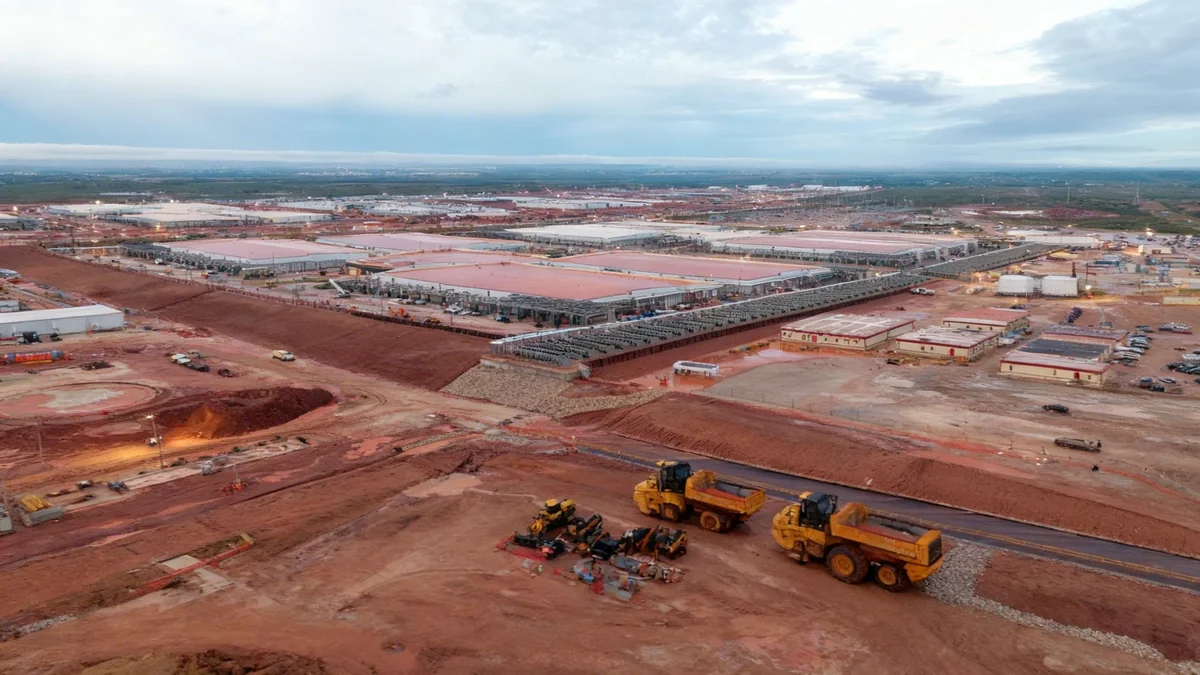




A landmark partnership to expand a flagship artificial intelligence data center in Abilene, Texas, has been terminated. Oracle Corp. and OpenAI have officially ceased their plans, citing prolonged financing negotiations and the evolving infrastructure needs of the AI research company.
The collapse of the deal has created a significant opportunity in the competitive AI infrastructure landscape. Meta Platforms Inc. is now in discussions to lease the planned expansion site from developer Crusoe, with leading AI chipmaker Nvidia Corp. reportedly facilitating the talks.
Key Takeaways
- Oracle and OpenAI have canceled their joint project to expand a major AI data center in Abilene, Texas.
- The decision follows extended difficulties in finalizing financing and changes in OpenAI's technical requirements.
- Meta Platforms Inc. is now considering taking over the expansion site, signaling a strategic shift in AI infrastructure development.
- Nvidia Corp. is playing a key role in facilitating the new discussions between Meta and the site's developer, Crusoe.
The Original Vision Unravels
The initial agreement between Oracle and OpenAI was set to create one of the most powerful AI computing facilities in the region. The expansion in Abilene was designed to support the immense computational demands of developing and training next-generation artificial intelligence models.
However, the project encountered significant hurdles. According to individuals familiar with the negotiations, the talks stalled over complex financing arrangements. Concurrently, OpenAI's rapid evolution meant its requirements for the data center were changing faster than the deal could be finalized.
The High Stakes of AI Infrastructure
Building and operating large-scale AI data centers is a capital-intensive endeavor requiring billions of dollars in investment. These facilities need massive amounts of power, advanced cooling systems, and access to tens of thousands of specialized processors, primarily from Nvidia. The competition to secure this infrastructure is a critical battleground for major tech companies aiming to lead in the AI revolution.
The decision to abandon the expansion marks a notable pivot for both companies. It underscores the volatile and fast-paced nature of AI development, where long-term infrastructure plans can quickly become misaligned with immediate strategic needs.
Meta and Nvidia Enter the Picture
With the Oracle-OpenAI deal off the table, a new set of technology giants has swiftly moved to explore the opportunity. Meta, the parent company of Facebook and Instagram, is now in active discussions to lease the Abilene site from Crusoe, the developer managing the property.
This potential move aligns with Meta's aggressive investment in AI, which powers everything from its content recommendation algorithms to its long-term metaverse ambitions. Securing a ready-to-develop data center site would represent a significant acceleration of its infrastructure roadmap.
Nvidia's Strategic Role
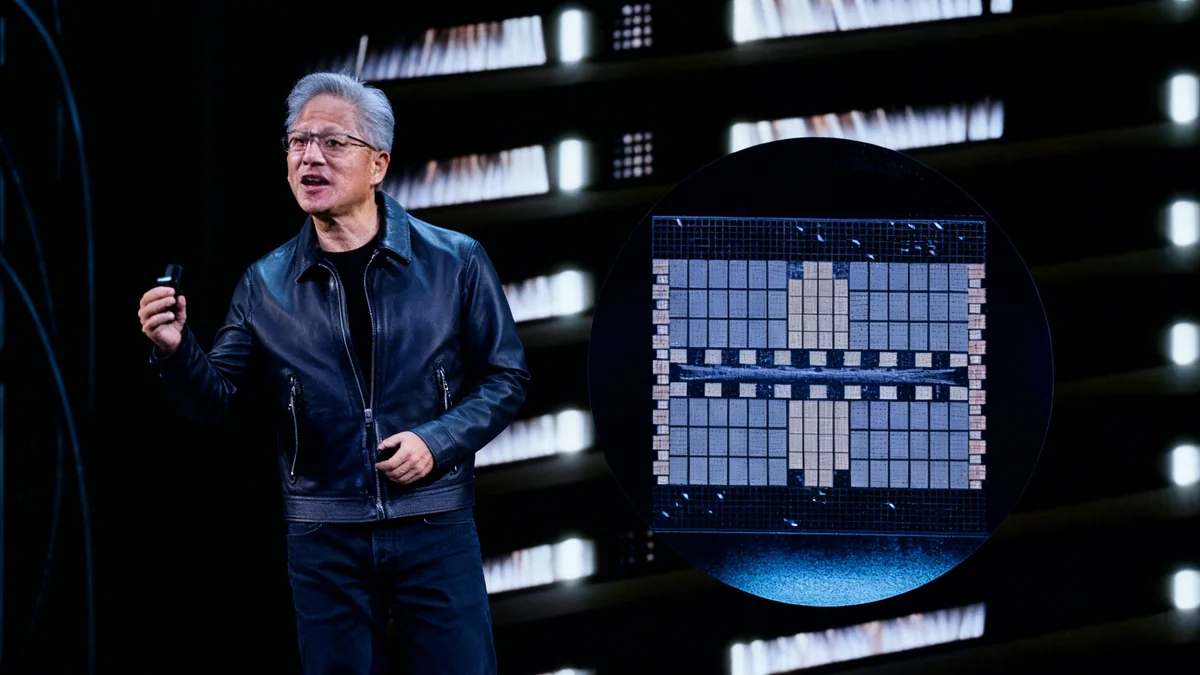
Nvidia's involvement is particularly noteworthy. As the dominant supplier of AI chips, the company holds a unique position in the industry. By helping to connect Meta with the developer Crusoe, Nvidia is not just a supplier but an active facilitator shaping the future of AI computing infrastructure. This ensures its powerful processors have dedicated, large-scale facilities to be deployed in.
The discussions are currently private, and no final agreements have been reached. However, the interest from Meta, backed by the industry's most critical chipmaker, suggests a strong possibility that the Abilene site will not remain dormant for long.
Shifting Alliances in the AI Race
The collapse of one major partnership and the potential formation of another highlights the fluid state of alliances in the technology sector. Companies are constantly re-evaluating their strategies and partners in the relentless pursuit of computational power.
What This Means for the Key Players
For Oracle, the termination of the deal represents a setback in its efforts to become a primary cloud provider for the AI industry. The partnership with OpenAI was a flagship arrangement meant to showcase its capabilities.
For OpenAI, the changing plans reflect its dynamic needs. The company may be seeking more flexible or specialized infrastructure solutions that can adapt to its rapidly advancing research goals.
"The speed of AI development demands incredible flexibility. Long-term, fixed infrastructure plans can become obsolete before they are even completed. This situation in Texas is a clear example of that reality."
For Meta, this is a strategic opening. Acquiring a large data center site allows it to bolster its own AI development efforts independently, reducing reliance on other cloud providers and giving it more control over its technological future.
Finally, for Nvidia, its role as a broker reinforces its central importance. The company's influence now extends beyond selling hardware to shaping the very landscape where that hardware is used.
The Future of the Abilene Site
The Stargate AI data center in Abilene remains a critical piece of infrastructure. While the planned expansion with Oracle and OpenAI will not proceed, the site's potential has captured the attention of other industry leaders.
The ongoing talks between Meta and Crusoe will be closely watched. A successful deal would not only provide Meta with a vital resource but also signal a major realignment in the competitive hierarchy of AI development. It demonstrates that in the high-stakes race for AI supremacy, partnerships can dissolve and re-form with astonishing speed, driven by the insatiable demand for computing power.