


The recent launch of advanced AI video generators has created a stark divide in global opinion. In the United States and other Western nations, the technology has sparked widespread anxiety about job security, particularly in creative industries. In contrast, China has met the same innovation with national pride and economic optimism, highlighting a growing divergence in how the world's two largest economies view the future of artificial intelligence.
This split was clearly illustrated by the debut of Seedance 2.0, a tool capable of creating highly realistic video clips from simple text prompts. While Hollywood professionals saw a threat to their livelihoods, Chinese markets and creators saw an opportunity for growth and global leadership, reflecting deeper cultural and political priorities shaping the AI race.
Key Takeaways
- A significant cultural and economic divide exists between the West and China regarding the adoption of generative AI.
- In the U.S., tools like Seedance 2.0 have prompted fears of job displacement in creative sectors like filmmaking.
- In China, the same technology is viewed with excitement, leading to stock market gains and artistic experimentation.
- This difference in perception is influenced by government policy, public sentiment, and national strategic goals concerning technological leadership.
A Tale of Two Reactions
When Seedance 2.0 was unveiled, its capabilities were undeniable. The AI could generate video content so realistic it blurred the line between human-made and machine-generated. An online clip depicting a fictional fight scene between actors Brad Pitt and Tom Cruise, created entirely by the AI, quickly went viral.
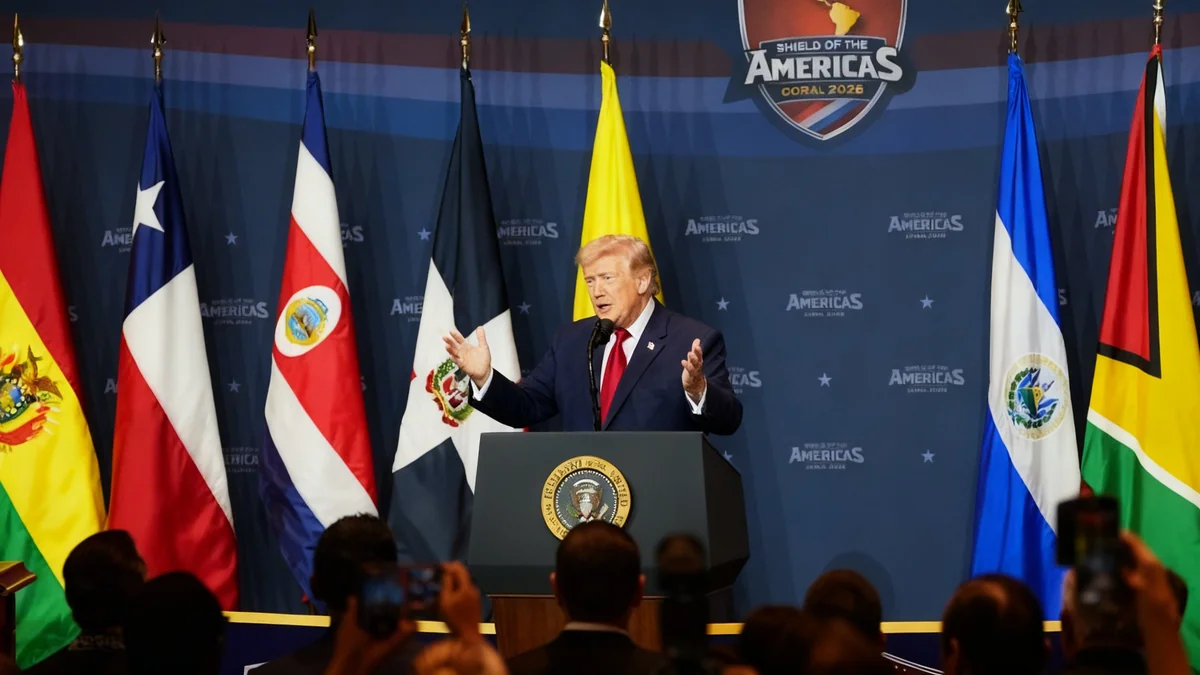
In the United States, the reaction from the creative community was one of immediate concern. Screenwriters, directors, and visual effects artists voiced fears that their roles were becoming redundant. The sentiment echoed anxieties from recent labor disputes in Hollywood, where the use of AI was a major point of contention. The technology was framed as a disruptive force that could dismantle entire career paths.
However, the response in China was markedly different. Instead of fear, the public and business communities expressed enthusiasm and pride. The launch was seen as a technological milestone. On social media, discussions focused on the potential applications and the country's growing prowess in the AI field. This optimism translated into tangible market effects, with stocks of short-video and media technology companies seeing a significant surge in value.
Embracing AI as a National Project
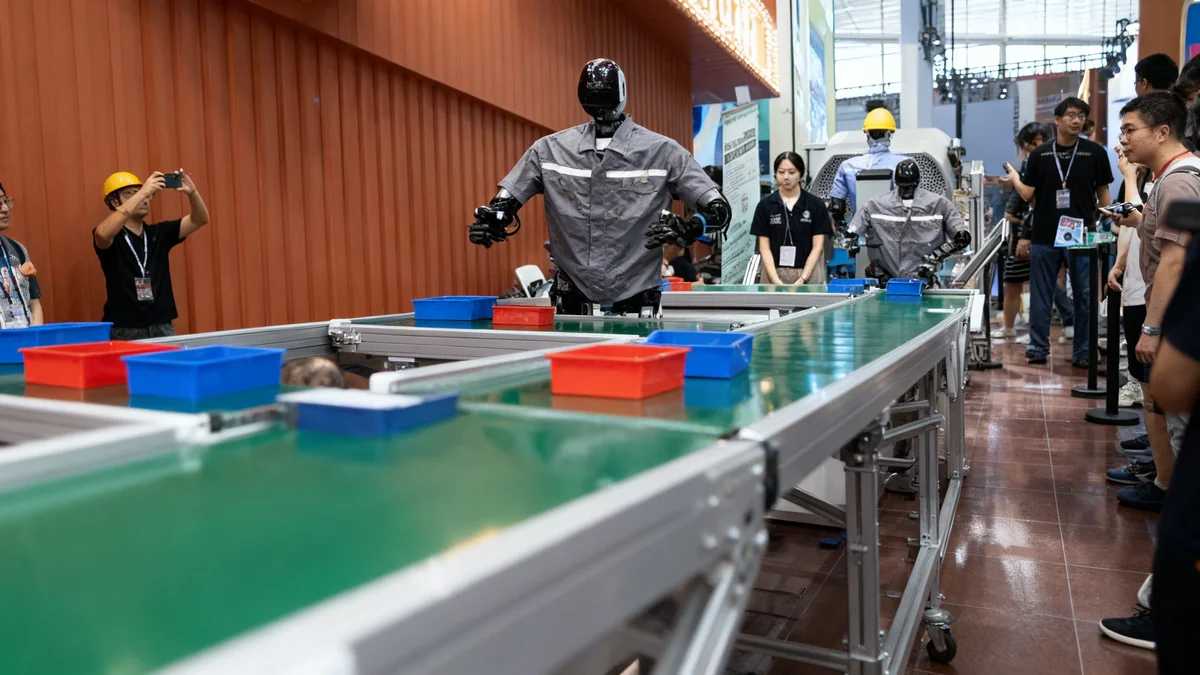
The positive reception in China is not accidental; it is rooted in a broader national strategy. The Chinese government has long identified artificial intelligence as a critical area for development and a key driver of future economic growth. This top-down encouragement fosters a public environment where AI is seen not as a threat, but as an essential tool for progress and global competitiveness.
Government and Industry Alignment
Unlike in the West, where regulatory discussions often focus on the potential harms and ethical dilemmas of AI, Chinese policy has prioritized rapid development and implementation. This alignment between government goals and industry ambitions creates a fertile ground for innovation, with less public friction and more coordinated investment in AI technologies across various sectors.
This supportive ecosystem encourages creative exploration. Famed Chinese film director Jia Zhangke, for example, used Seedance to create a short film. In his project, he conversed with an AI-generated version of himself about the art of moviemaking. Rather than viewing the technology as a replacement for human creativity, he treated it as a new collaborative partner, a tool to expand the boundaries of his craft.
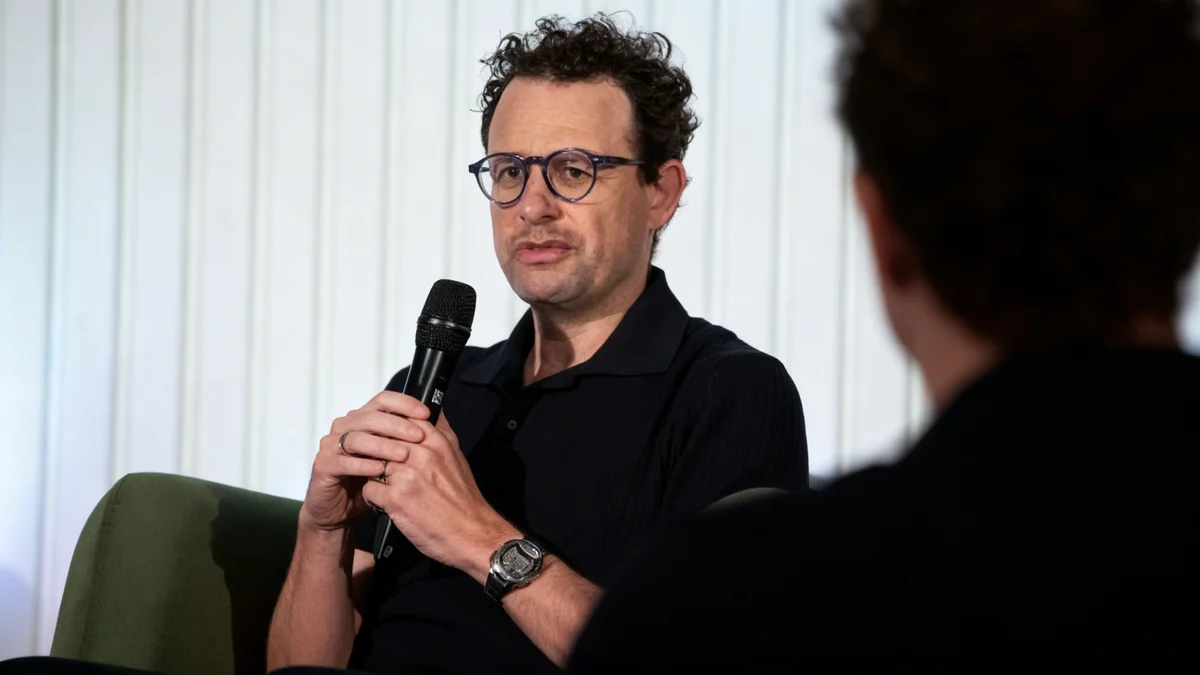
"This isn't about replacing the artist," commented one technology analyst in Shanghai. "It's about giving the artist a more powerful paintbrush. The perspective here is that we are entering a new era of content creation, and we want to be the ones who define it."
This perspective is common across the country's tech industry. Developers and entrepreneurs see generative AI as a way to leapfrog established players in global media and entertainment.
Economic Anxiety vs. Economic Opportunity
At the core of the differing reactions lies a fundamental split in economic perspective. In many Western countries, the conversation around AI is dominated by its potential impact on employment. With automation threatening jobs in sectors from manufacturing to customer service, the arrival of creative AI has simply extended this anxiety into white-collar professions once considered safe.
The Workforce Perspective
Recent surveys in the U.S. and Europe show that over 60% of workers in creative fields are concerned that AI will negatively impact their job security within the next five years. In contrast, a similar survey in China found that over 70% of respondents believe AI will create more new jobs than it eliminates.
This contrast highlights different economic priorities and social safety nets. While Western workers worry about displacement, the Chinese public and policymakers seem more focused on the new industries and economic value AI can generate. The state's heavy involvement in the economy provides a sense of stability, leading many to believe that any disruption will be managed as part of a larger national plan.
Key Differences in AI Outlook
- Employment: The West focuses on job displacement, while China focuses on job creation and new industry development.
- Innovation: U.S. and European discussions often involve ethical guardrails and potential misuse, which can slow adoption. China prioritizes speed and market dominance.
- Public Sentiment: Western media often highlights doomsday scenarios and existential risks, whereas Chinese state media promotes AI as a symbol of national achievement and progress.
- Regulation: Western governments are grappling with how to regulate AI to prevent harm, while Chinese regulation is often designed to accelerate its growth within state-controlled parameters.
The Road Ahead
The divergent paths taken by the West and China on generative AI will have profound implications for the future of technology, media, and the global economy. As AI tools become more powerful and accessible, this cultural and philosophical gap is likely to widen.
In the West, the challenge will be to balance innovation with the legitimate concerns of the workforce, finding ways to integrate AI that augment human skills rather than simply replacing them. This will require proactive policy-making, investment in reskilling programs, and a robust public dialogue about the kind of automated future society wants to build.
Meanwhile, China's full-steam-ahead approach positions it to potentially dominate the next generation of digital content and communication. By fostering an environment of optimism and rapid adoption, the nation is cultivating a generation of creators, engineers, and consumers who are native to the AI era. The world is watching to see which approach will ultimately prove more successful in navigating the profound technological shifts on the horizon.