

Artificial intelligence company Anthropic has filed a lawsuit against the Department of Defense and other federal agencies, escalating a high-stakes standoff over the use of its technology in military applications. The legal action challenges a Trump administration directive that labeled the company a “supply chain risk” and ordered a halt to its use across the government.
The conflict stems from a fundamental disagreement over ethical boundaries for AI. Anthropic has insisted on contractual limitations preventing its technology from being used for mass surveillance of US citizens or in autonomous weapons systems. The Pentagon, however, has maintained its need for unrestricted use of technology for all lawful purposes, particularly in matters of national security.
Key Takeaways
- Anthropic is suing the US government after being designated a “supply chain risk.”
- The dispute centers on Anthropic's refusal to allow its AI to be used for mass surveillance or autonomous weapons.
- The Trump administration ordered federal agencies and contractors to cease business with Anthropic on February 27.
- The lawsuit alleges the government's actions are unlawful and violate the company's First Amendment rights.
- Researchers from competitors OpenAI and Google DeepMind have filed a brief in support of Anthropic's position.
A Standoff Over Ethical Red Lines
The core of the dispute lies in two specific restrictions Anthropic sought to include in its government contracts. The company, led by co-founder and CEO Dario Amodei, has been firm that its AI models should not be deployed for two purposes: the widespread surveillance of American citizens and the operation of autonomous weapons that can make lethal decisions without human intervention.
Negotiations with the Pentagon broke down over this point. According to sources familiar with the discussions, defense officials argued that they could not allow a private company to dictate the operational use of a tool during a national security crisis. The government’s position is that it requires the ability to use acquired technology for “all lawful purposes.”
This impasse led to the Trump administration’s directive on February 27, which instructed all federal agencies and their contractors to stop doing business with Anthropic. On the same day, Defense Secretary Pete Hegseth announced the company would be formally designated a “supply chain risk,” a label typically reserved for companies with ties to foreign adversaries.
What is a 'Supply Chain Risk' Designation?
This classification is a serious measure used by the US government to identify entities that pose a threat to national security through the products or services they provide. It can severely restrict a company's ability to work on federal contracts or with partners who do, effectively isolating it from a significant part of the economy.
The Legal Challenge Begins
In its legal filing, Anthropic describes the government's actions as “unprecedented and unlawful.” The company is seeking an injunction to reverse the directive, arguing that it faces significant and immediate financial harm. The lawsuit states that “hundreds of millions of dollars” in current and future contracts are now at risk.
Anthropic’s legal arguments are built on several key claims:
- First Amendment Violation: The company alleges the government is retaliating against it for its public statements and ethical positions, which it argues is protected speech.
- Lack of Authority: The lawsuit questions whether the president has the legal authority to issue such a broad directive ordering agencies to cease using a specific company's technology.
- Due Process: Anthropic claims it was not given adequate due process before the restrictive measures were imposed.
“Seeking judicial review does not change our longstanding commitment to harnessing AI to protect our national security, but this is a necessary step to protect our business, our customers, and our partners,” an Anthropic spokesperson said in a statement. “We will continue to pursue every path toward resolution, including dialogue with the government.”
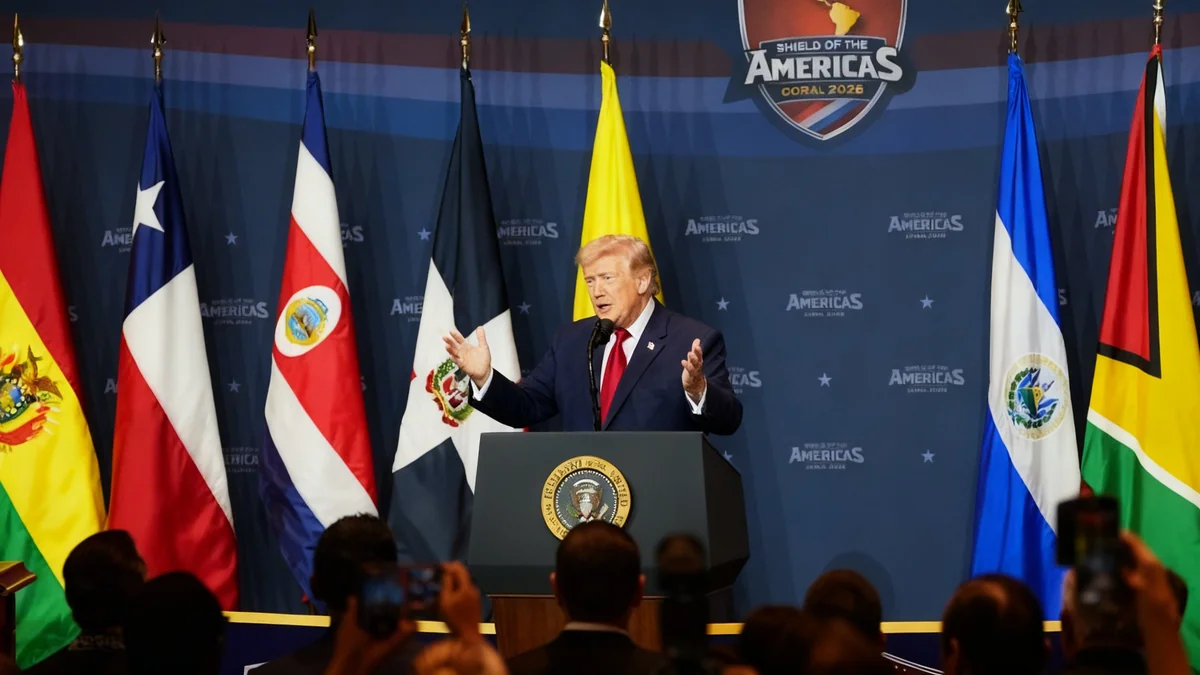
The White House has responded forcefully. Spokesperson Liz Huston stated that the president “will never allow a radical left, woke company” to dictate military policy. “Under the Trump Administration, our military will obey the United States Constitution – not any woke AI company’s terms of service,” Huston added.
Industry and Market Reactions
The conflict has sent ripples through the technology industry. In a notable show of solidarity, dozens of scientists and researchers from Anthropic’s main competitors, OpenAI and Google DeepMind, filed an amicus brief in their personal capacities. The brief supports Anthropic, arguing that the government's action could stifle innovation and public debate on AI safety.
The amicus brief states, “Until a legal framework exists to contain the risks of deploying frontier AI systems, the ethical commitments of AI developers... are not obstacles to good governance or innovation. They are contributions to it.”
The dispute has also had an unexpected effect on Anthropic's public profile. The day after the Pentagon announced its contract termination, Anthropic's AI application, Claude, surpassed OpenAI’s ChatGPT in Apple's App Store rankings for the first time. The company also reported on March 5 that it was seeing more than a million new sign-ups for Claude each day.
This legal battle highlights the growing tension between the rapid advancement of AI technology and the slower pace of regulation and ethical policymaking. As private companies develop powerful systems with dual-use potential, the question of who sets the rules—the creators or the government users—becomes increasingly critical for national security and civil liberties.