


Actor Zach Braff has publicly addressed and denied a circulating rumor that he is in a romantic relationship with an artificial intelligence chatbot. In a statement posted to his Instagram account, the “Scrubs” star clarified the origins of the story, attributing it to a misunderstanding related to an upcoming television storyline.
The denial, however, has inadvertently amplified the story, leading to widespread coverage across numerous entertainment and news outlets. This situation highlights the rapid spread of information on social media and the challenges public figures face when addressing anonymous gossip.
Key Takeaways
- Zach Braff issued a formal denial on Instagram regarding rumors of a relationship with an AI chatbot.
- He suggested the rumor may have stemmed from a script for a future episode of "Scrubs."
- The rumor originated from a podcast discussion about an unnamed actor and was later amplified by social media gossip accounts.
- Braff's attempt to quash the story resulted in a significant increase in media attention, a phenomenon known as the Streisand effect.
The Public Denial
Braff took to his Instagram Stories to directly confront the speculation. "I’m not dating a chatbot," he wrote, expressing disbelief that he needed to make such a statement. He explained that the concept is part of a storyline in an upcoming project, likely a revival or special related to his well-known show, "Scrubs."
"It is a storyline in an upcoming ep of Scrubs," Braff clarified. "Maybe it came from that? Not sure. But not me."
In a subsequent post, he identified the podcast where the rumor appeared to have started and appealed for more kindness online. "I feel like now is a good time to be kind to people," he added, noting he was unaware of the podcast segment until it was brought to his attention.
Tracing the Origin of the Rumor
The story began not with a direct accusation, but with an anonymous anecdote. A podcast segment featuring comedians Max Silvestri, Jenny Slate, Gabe Liedman, and actor Kumail Nanjiani included a discussion about an unnamed major actor who was rumored to be involved with an AI chatbot.
The conversation described the actor as being open about the relationship, even interacting with the AI in front of other people. While Braff was not named, the clip was later reposted by the popular social media gossip account DeuxMoi, which often shares unverified celebrity tips. It was this renewed attention that appeared to link the anonymous story directly to Braff, prompting his public response.
The Power of Social Media Gossip
Gossip accounts on platforms like Instagram and TikTok have become influential in shaping celebrity narratives. By sharing anonymous tips and clips, they can generate widespread speculation that quickly moves from niche online communities to mainstream news, often without formal verification.
An Unintended Consequence
Braff's decision to address the rumor directly had an immediate and powerful effect, though perhaps not the one he intended. Before his denial, the story was a minor piece of online chatter based on an anonymous comment. After his posts, it became a major news item.
Dozens of established media outlets picked up the story of his denial, including:
- People
- Cosmopolitan
- Entertainment Weekly
- USA Today
- The Independent
- Page Six
- Buzzfeed
- The Cut
This phenomenon, where an attempt to suppress information leads to it becoming more widely known, is often called the Streisand effect. By trying to correct the record, Braff inadvertently placed a massive spotlight on the very rumor he sought to dispel. Some online commentators questioned the strategy of responding to an anonymous rumor, while others pointed out that his choice of phrasing—calling himself "The guy not dating his chatbot"—was particularly memorable and likely contributed to the story's spread.
A History of Direct Engagement
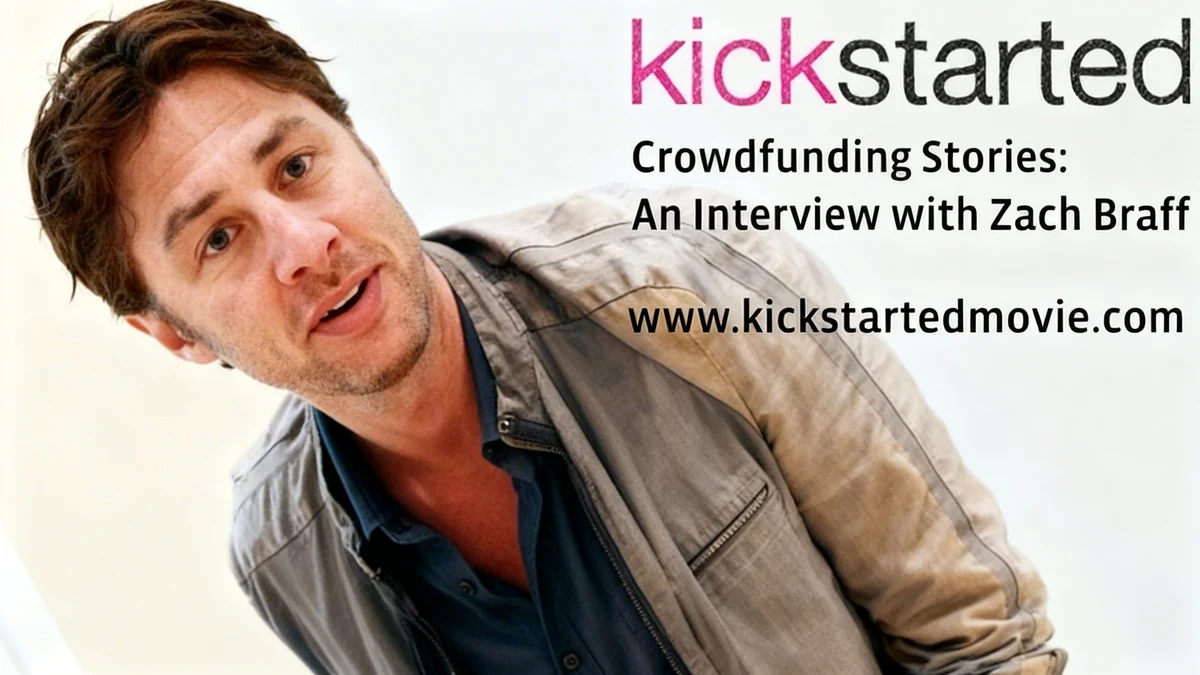
This is not the first time Zach Braff has engaged directly with online discourse. Over a decade ago, he faced public debate over his use of Kickstarter to help fund his 2014 film "Wish I Was Here." During that period, he participated in a Q&A where he emphasized his philosophy of open communication with his fanbase.
"I actually love engaging with my fan base and they know that they’re smart. They’re not idiots... It’s a conversation."
In that same interview, Braff spoke about the importance of authenticity in online interactions, criticizing what he saw as PR-managed celebrity appearances. His past statements suggest a long-standing preference for addressing matters directly, a trait that is consistent with his recent decision to tackle the chatbot rumor head-on.
The Growing Reality of Human-AI Relationships
While the rumor about Braff was unfounded, it touches upon a rapidly evolving area of technology and human interaction. The rise of sophisticated AI companions and chatbots has made the concept of forming emotional bonds with artificial entities a subject of serious discussion.
Companies are developing increasingly advanced AI personalities designed for companionship, and stories of users forming deep attachments to them are becoming more common. This cultural context may be one reason the rumor gained traction—it exists in a space that feels increasingly plausible. As technology continues to blur the lines between human and artificial interaction, such stories, whether true or false, are likely to become a more frequent feature of our digital lives.