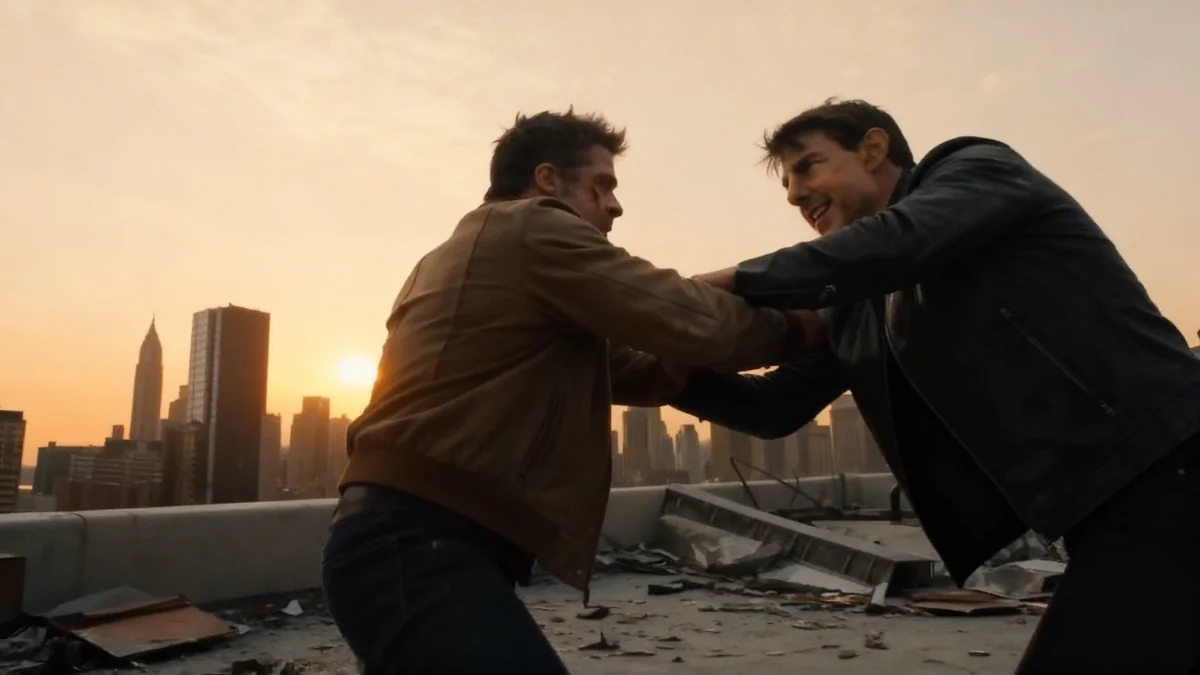

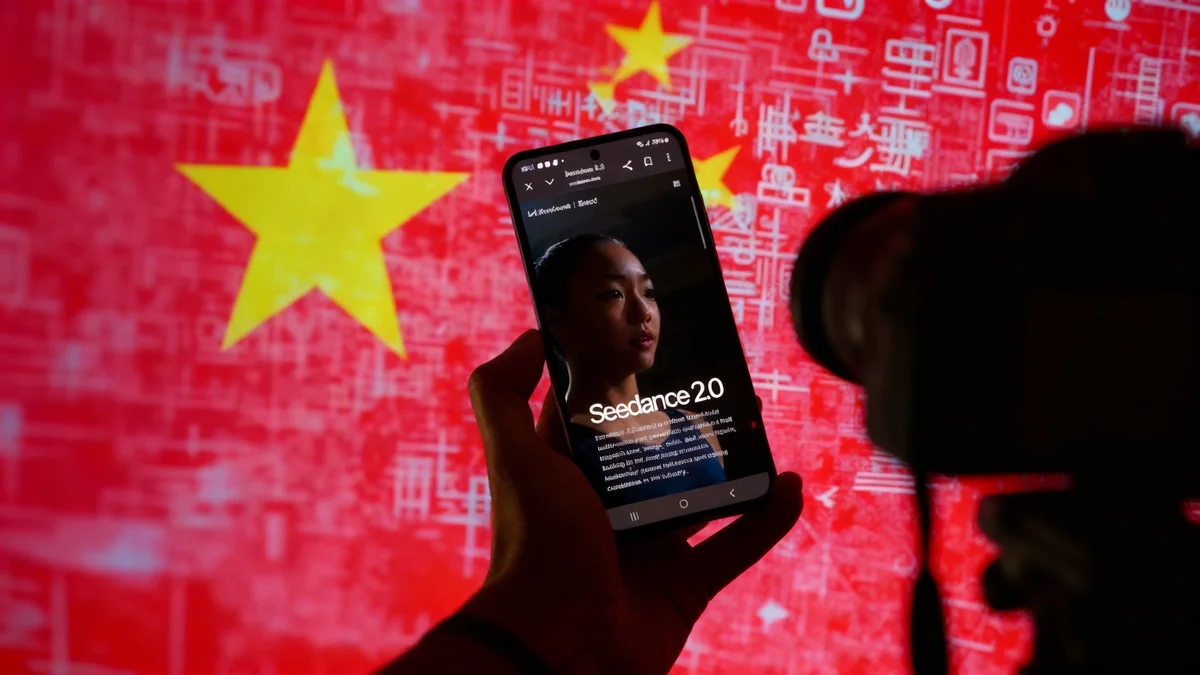
The Motion Picture Association has issued a strong condemnation of Seedance 2.0, a new artificial intelligence video generator from TikTok owner ByteDance, just one day after its public release. The industry group alleges the tool facilitates “massive” copyright infringement, a claim amplified by a viral AI-generated video showing actors Tom Cruise and Brad Pitt in a fictional fight scene.
The controversy places renewed pressure on AI developers to implement safeguards that prevent the unauthorized use of copyrighted characters and likenesses, echoing a similar conflict that arose with a competing model last year.
Key Takeaways
- The Motion Picture Association (MPA) accused ByteDance's Seedance 2.0 of enabling widespread, unauthorized use of copyrighted material.
- The criticism follows the viral spread of AI-generated videos, including one depicting a fight between Tom Cruise and Brad Pitt.
- The situation mirrors past industry concerns with OpenAI's Sora 2, which later implemented stronger safeguards and licensing deals.
- Creative professionals have expressed alarm over the technology's potential to replicate Hollywood-style productions with minimal effort.
MPA Alleges Disregard for Copyright Law
The Motion Picture Association (MPA), which represents major Hollywood studios, released a statement on Thursday addressing the new AI tool. The organization did not mince words, accusing the service of failing to protect intellectual property.
“In a single day, the Chinese AI service Seedance 2.0 has engaged in unauthorized use of U.S. copyrighted works on a massive scale,” an MPA spokesperson stated. The group contends that ByteDance released the product without adequate protections in place.
“By launching a service that operates without meaningful safeguards against infringement, ByteDance is disregarding well-established copyright law that protects the rights of creators and underpins millions of American jobs,” the statement continued.
The MPA has called on ByteDance to “immediately cease its infringing activity.” The rapid proliferation of content featuring well-known film characters and actors appears to be the primary driver of the industry's response. Beyond the Cruise and Pitt video, other clips circulating online feature scenes inspired by franchises like Spider-Man, Lord of the Rings, and popular shows such as Stranger Things.
A Familiar Conflict for the Film Industry
This is not the first time Hollywood has clashed with a generative AI company. The current situation with Seedance 2.0 closely resembles the industry's reaction to the launch of OpenAI’s Sora 2 model last fall.
At that time, the MPA issued a similar critique, urging OpenAI to take “immediate and decisive action” to address the use of its tool to create infringing content. The AI research company was responsive to the criticism, eventually implementing technical measures that made it more difficult for users to violate studio copyrights.
The OpenAI Precedent
Following initial friction with Hollywood, OpenAI shifted its strategy. The company not only added safeguards to its Sora 2 model but also pursued collaboration. This led to a landmark deal with Disney to license 200 of its characters for use on the platform, a move seen by many as a potential blueprint for how AI firms and content owners can coexist.
This history sets a precedent, but it remains uncertain if ByteDance will follow a similar path. The company has not yet publicly responded to the MPA's allegations or requests for comment on its plans for copyright protection. The industry is now watching to see whether legal action, such as takedown notices and infringement lawsuits, will become necessary.
Creators Voice Alarm and Resignation
The creator of the viral Cruise-Pitt video, Irish filmmaker Ruairi Robinson, noted how simple it was to produce. “This was a 2 line prompt in seedance 2,” he wrote on the social media platform X. His post sparked a debate about the implications for the creative industry and his role in it.
The ease of creation and the quality of the output have caused significant concern among film and television professionals. Rhett Reese, a writer known for his work on the Deadpool films, commented on the video with a sense of foreboding.
The Power of a Simple Prompt
According to the video's creator, the viral clip of Tom Cruise and Brad Pitt was generated using just a two-line text command, highlighting the accessibility and power of the new AI model.
“I hate to say it. It’s likely over for us,” Reese wrote. “In next to no time, one person is going to be able to sit at a computer and create a movie indistinguishable from what Hollywood now releases.”
This sentiment captures a growing anxiety within Hollywood. While some see AI as a tool, others fear it could devalue the skills and labor of writers, actors, and directors, fundamentally altering the economics of film and television production. As AI video generation technology continues its rapid advance, the debate over copyright, creativity, and compensation is set to intensify.