
A wave of anxiety is sweeping through Hollywood as artificial intelligence moves from a distant concept to a practical tool in modern filmmaking. While speculation often centers on a future of AI-generated scripts and digital actors, the reality is that AI is already shaping the movies and television shows audiences see today, prompting a complex debate about the future of creative work.
Major studios, including Disney and Warner Bros., are actively experimenting with AI technologies, using them for everything from adapting classic films for new venues to generating video content. This quiet integration is forcing the entertainment industry to confront difficult questions about artistry, authenticity, and the role of human creators in an increasingly automated world.
Key Takeaways
- Artificial intelligence is no longer a theoretical threat in Hollywood; it is a tool currently being used in production.
- Major studios like Disney and Warner Bros. are exploring AI for content generation and adaptation.
- The use of AI in projects like the adaptation of "The Wizard of Oz" for The Sphere in Las Vegas highlights its growing influence.
- There is significant concern among creators about how AI will impact jobs, creative control, and the authenticity of entertainment.
An Industry on Edge
The prevailing mood in the entertainment industry regarding artificial intelligence is often described as one of "doom and gloom." Many writers, actors, and directors fear a future where their roles are diminished or replaced entirely by algorithms capable of writing scripts, generating performances, and even directing films.
These concerns are not unfounded. The rapid advancement of generative AI models has shown that technology can produce convincing text, images, and video with minimal human input. This has led to widespread apprehension that the creative spark, once considered uniquely human, could be outsourced to machines.
This anxiety has become a central topic of conversation, from writers' rooms to executive boardrooms. The central question is no longer if AI will impact Hollywood, but how and how soon.
AI's Quiet Integration into Filmmaking
While futuristic scenarios capture headlines, they often obscure the ways AI is already working behind the scenes. The technology is not yet writing blockbuster screenplays on its own, but it is being deployed as a powerful tool to augment and accelerate parts of the production process.
The Wizard of Oz Reimagined
A prominent example of AI's current application can be found at The Sphere in Las Vegas. In a collaboration with Google and Warner Bros., the venue used artificial intelligence to adapt the classic film "The Wizard of Oz" for its massive, immersive screen.
This project involved using AI to process and reformat the original film, creating a unique visual experience tailored to the specific architecture of The Sphere. It represents a significant step in using AI not to replace a creative work, but to reinterpret it for a new medium, showcasing its potential as a tool for adaptation and innovation.
Major Studios Embrace AI Tools
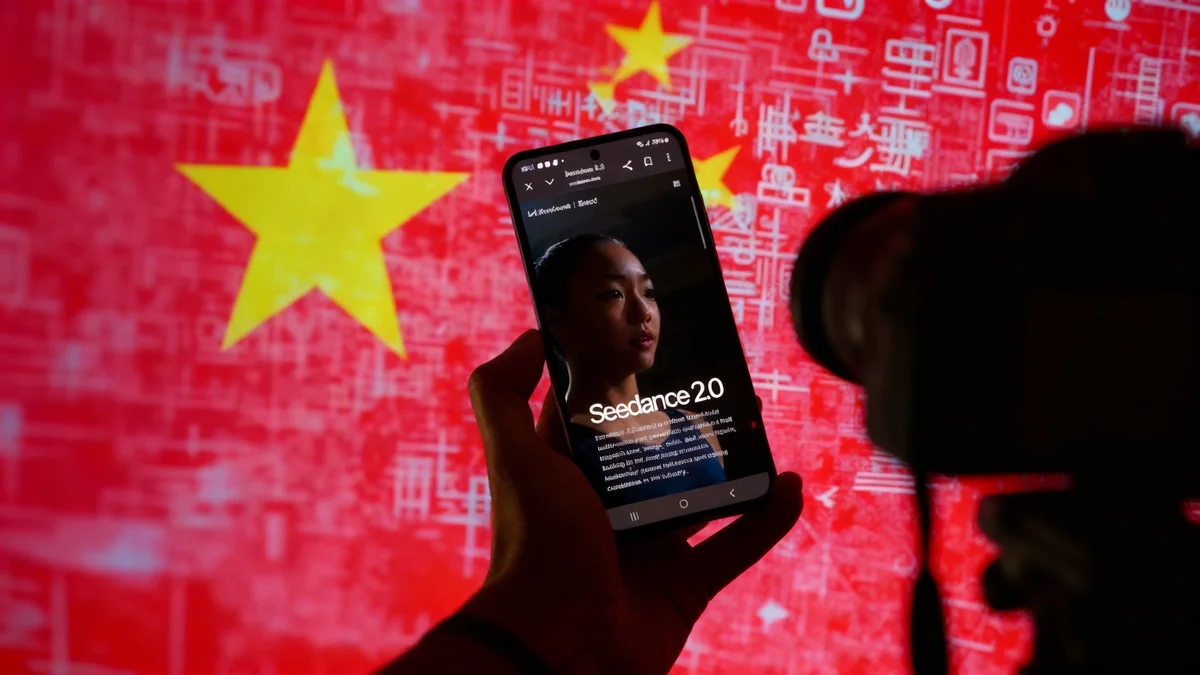
Disney has entered into an agreement to use OpenAI's Sora, a model that generates realistic video from text prompts. This move indicates that one of the world's largest entertainment companies is actively exploring how generative AI can be integrated into its production pipeline, potentially for creating concept art, storyboards, or even finished scenes.
The Rise of Generative Video
The partnership between Disney and OpenAI is particularly noteworthy. By agreeing to use Sora, Disney is signaling a clear interest in the capabilities of text-to-video generation. This technology could streamline animation processes, assist with visual effects, or open up entirely new forms of storytelling.
However, this development also fuels the industry's anxieties. If a machine can create video content from a simple prompt, the roles of animators, cinematographers, and visual effects artists could be fundamentally altered. This is a central point of tension as studios explore efficiency and creators fight to protect their craft.
Navigating the Creative and Ethical Maze
The integration of AI into entertainment raises profound questions that go beyond job security. One of the most pressing concerns revolves around authenticity, particularly in documentary filmmaking. As AI tools become more sophisticated, the ability to generate realistic but fabricated footage could undermine the public's trust in visual media.
What is Generative AI?
Generative Artificial Intelligence refers to models that can create new content, such as text, images, audio, and video, based on the data they were trained on. In Hollywood, tools like OpenAI's Sora or other image generators are being explored for tasks ranging from creating concept art to generating entire scenes, raising both excitement and concern.
According to film critic Alissa Wilkinson, the line between reality and AI-generated content is becoming increasingly blurred. This poses a significant challenge for filmmakers and audiences alike, who must now question the veracity of what they see on screen. It forces a new level of critical engagement with visual media.
Hollywood correspondent Brooks Barnes notes that the industry is in a complicated transitional phase. While studios are drawn to the potential cost savings and creative possibilities of AI, they are also aware of the potential for backlash from both creative unions and audiences who value human-driven art.
The Future of Storytelling
The current state of AI in Hollywood is a preview of a more integrated future. The technology is unlikely to completely replace human creativity in the short term. Instead, it is positioning itself as an indispensable, if controversial, tool in the filmmaker's toolkit.
The path forward will likely involve a hybrid model where human creators guide and direct AI systems to achieve their artistic vision. AI could handle time-consuming tasks like rendering complex visual effects, generating background elements, or creating multiple versions of a scene for review.
Ultimately, the story of AI in Hollywood is still being written. The industry stands at a crossroads, facing a choice between using this powerful technology to enhance human creativity or allowing it to diminish the value of the artists who have defined entertainment for over a century. The decisions made today will shape the future of cinema for generations to come.