




Activision's latest release, Call of Duty: Black Ops 7, has sparked significant debate among its player base due to the widespread use of AI-generated art throughout the game. The move represents a notable increase in the reliance on generative technology compared to previous installments in the multi-billion dollar franchise.
Players have identified numerous instances of AI-created assets, from cosmetic items to achievement rewards, raising questions about the value proposition of a full-priced $70 title and the role of human artists in one of the world's most profitable entertainment properties.
Key Takeaways
- Call of Duty: Black Ops 7 contains a significant amount of AI-generated artwork for in-game assets like calling cards, posters, and achievement icons.
- This follows earlier, smaller-scale controversies involving AI art in 2023's Modern Warfare 3 and the previous Black Ops title.
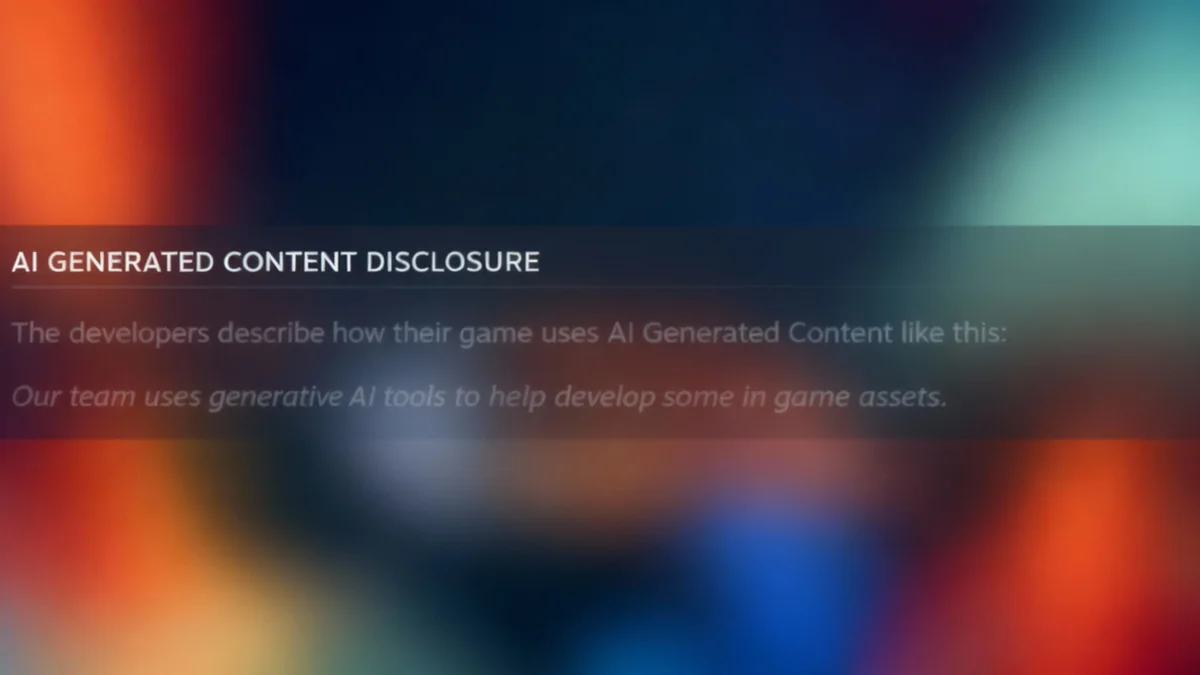
- Activision has a disclaimer on the game's Steam page acknowledging the use of generative AI tools for asset development.
- The community is questioning the practice in a franchise that generates over a billion dollars annually, with many feeling it diminishes the value of the product.
A Growing Trend in a Blockbuster Franchise
The latest installment in the Call of Duty series appears to have fully embraced generative AI for a range of visual assets. Players have been quick to share examples online, pointing to in-game posters, environmental textures, and, most notably, the player profile images known as "Calling Cards."
Many of these cosmetic items, which players unlock or purchase to customize their identity in the game, exhibit the tell-tale signs of AI generation. These include smeared details, inconsistent object logic, and a distinct digital sheen common to many current AI image models. This has led to a vocal outcry from fans who feel the quality is subpar for a premium release.
This is not the first time Activision has faced scrutiny for this practice. The 2023 title, Modern Warfare 3, included an AI-generated calling card in a $15 cosmetic bundle. Similarly, the preceding Black Ops game was criticized for a promotional image of a zombie Santa that infamously had six fingers, a common error for early AI image generators.
Acknowledged Use of AI
Activision has not hidden its use of the technology. The official Steam store page for Call of Duty: Black Ops 7 includes a disclaimer that reads, "Our team uses generative AI tools to help develop some in game assets." This transparency, however, has done little to quell the community's concerns about the extent of its implementation.
From Minor Items to Major Rewards
What sets Black Ops 7 apart from its predecessors is the sheer volume and prominence of the AI-generated content. While past instances were isolated, the new game features machine-generated art in nearly every aspect of its reward system.
Dozens of calling cards available in the base game are suspected to be AI-generated. One particularly criticized example, titled "Reeled In," depicts a bizarre scene of a knight whose helmet is being eaten by a fish, showcasing illogical composition and an art style reminiscent of popular anime-style AI models.
A Billion-Dollar Context
The Call of Duty franchise is a financial powerhouse. The previous entry, Black Ops 6, reportedly grossed over $1 billion within its first 10 days of release, making it the highest-grossing game in the series' history. The franchise as a whole consistently generates billions in revenue each year.
The use of AI is not limited to optional cosmetics. Players have discovered that rewards for completing major in-game challenges, including the main story campaign, are also AI-generated images. Even the prestigious "Prestige" icons, symbols of dedication for the most committed players, show signs of AI creation, such as overly complex linework and inconsistent details.
The Player Value Proposition
The controversy has ignited a broader conversation about what consumers are paying for when they purchase a $70 game. Many players express a sentiment that their purchase is, in part, a payment for the creative labor of artists, designers, and developers.
When human-created art is replaced by machine-generated assets, some feel the value exchange is broken. The argument is that the cost of generating an AI image is negligible compared to commissioning a human artist, yet the price of the final product for the consumer remains the same.
"When I pay for a game, I pay for a service to the creatives making that game," one online commentator wrote. "When AI replaces human artists, it's not just the artists getting shafted, it's also you getting ripped off. You used to be paying for this art, now you're paying for nothing, but you're still paying."
This perspective frames the issue not just as an aesthetic choice but as an economic one. For a company with the financial resources of Activision, the decision to use AI instead of employing artists for even small assets is seen by critics as a cost-cutting measure that comes at the expense of both creative professionals and the quality of the final product.
As the gaming industry continues to explore the capabilities of artificial intelligence, the debate over its appropriate use is likely to intensify. The reaction to Call of Duty: Black Ops 7 demonstrates a growing awareness and concern among consumers about how this technology will shape the future of digital entertainment.