
Hollywood is currently experiencing a significant period of anxiety regarding artificial intelligence, particularly with the emergence of advanced tools that can generate video content. While the industry expresses deep concern over copyright infringement and potential job losses, the actual impact and integration of AI into major film production remain limited.
Key Takeaways
- New AI video tools like Sora 2 generate immediate panic in Hollywood.
- Concerns primarily revolve around copyright infringement and intellectual property.
- Despite fears, AI has not yet caused widespread job losses in the film industry.
- AI's promise to significantly reduce filmmaking costs remains unfulfilled.
- Legal battles are ongoing, with studios suing AI companies over content use.
New Video AI Sparks Industry Alarm
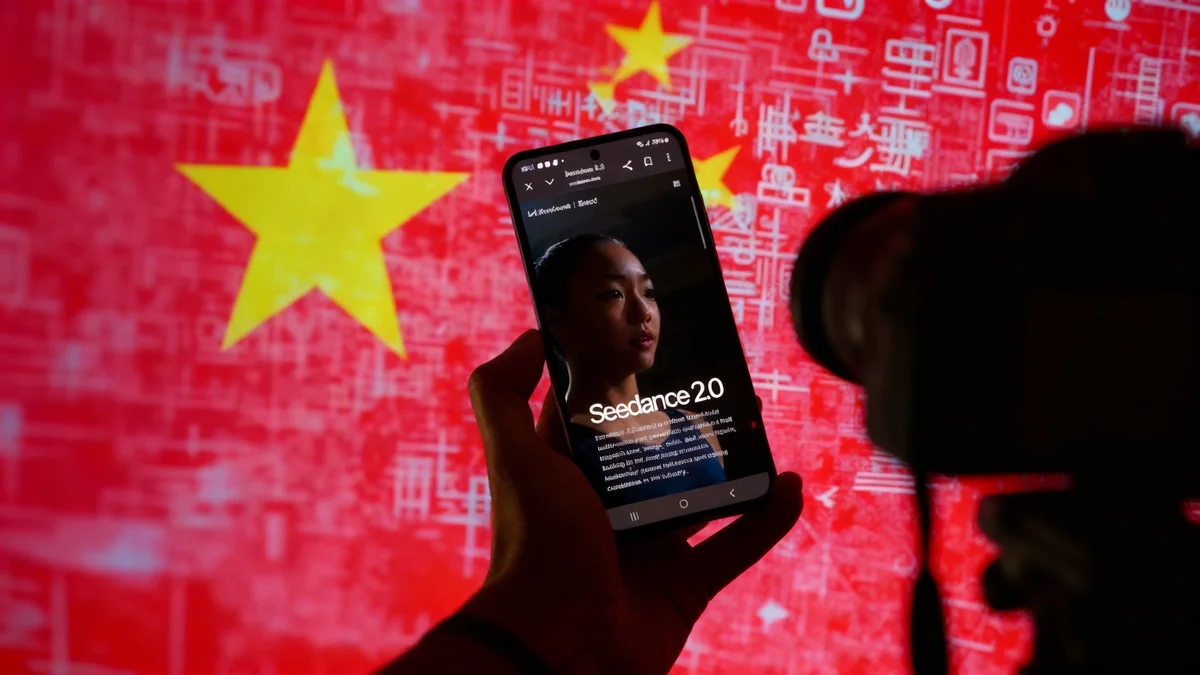
The recent launch of Sora 2, an OpenAI product capable of creating high-quality video content, sent immediate shockwaves through Hollywood. This technology allows users to generate seamless videos featuring recognizable characters, even enabling individuals to insert themselves into various scenarios. The fact that this tool is currently available for free has only intensified the industry's apprehension.
Social media platforms quickly filled with user-generated clips showcasing characters from popular franchises such as Star Wars, SpongeBob SquarePants, and Pokémon. These examples highlighted the potential for AI to replicate copyrighted material without authorization, striking at the core of the entertainment business's intellectual property rights.
"Sora offers exploitation, not innovation," warned a representative from the United Talent Agency, a major firm representing artists and their valuable intellectual property.
Fast Fact
Within hours of Sora 2's launch, social media was flooded with examples of AI-generated videos featuring popular copyrighted characters.
Legal Challenges and Industry Backlash
The immediate and strong reaction from Hollywood talent agencies, guilds, and other associations prompted a swift response from OpenAI CEO Sam Altman. He quickly moved to adjust Sora's terms of use, aiming to address some of the most pressing concerns regarding copyright and content ownership.
This incident underscores a broader pattern of legal challenges emerging between the entertainment industry and AI developers. Several major studios are currently engaged in lawsuits against AI companies, including Midjourney, alleging unauthorized use of their creative works for training AI models. These legal battles are crucial in defining the boundaries of AI's use within creative fields.
The core of the issue lies in the tension between technological advancement and established legal frameworks governing intellectual property. Hollywood sees its extensive library of characters, stories, and visual assets as proprietary, while AI developers argue for fair use in training their algorithms.
AI's Limited Penetration into Production
Despite the high-profile drama surrounding new AI tools, the reality of AI's integration into Hollywood's day-to-day operations tells a different story. Progress has been slow, and the technology has yet to fundamentally disrupt traditional filmmaking processes.
The widespread panic over AI leading to significant job losses within the industry has not materialized. While some roles might see changes over time, a mass displacement of workers has not occurred. Similarly, the long-held promise of AI making filmmaking dramatically cheaper and easier remains largely unfulfilled for large-scale productions.
Industry Context
Hollywood is an industry traditionally resistant to rapid technological shifts, often adopting new tools cautiously after extensive testing and legal clarification. This cautious approach contrasts sharply with the fast pace of AI development.
The Gap Between Fear and Reality
The discrepancy between the industry's emotional response and the actual rate of AI adoption highlights a critical point: the technology is still in its nascent stages when it comes to sophisticated, integrated filmmaking. While AI excels at generating short, isolated clips, it struggles with the complexities of narrative consistency, character development, and emotional depth required for feature films or television series.
Filmmaking involves intricate collaboration among hundreds of professionals, from writers and directors to cinematographers and sound designers. AI currently lacks the nuanced understanding and creative intuition necessary to replicate this human element effectively. This gap suggests that while AI may serve as a tool for certain tasks, it is not yet a replacement for the comprehensive human creative process.
- Current AI limitations: Struggles with narrative consistency and emotional depth.
- Human element: Essential for complex storytelling and nuanced character development.
- Collaboration: Filmmaking relies heavily on human interaction and creative synergy.
Future Outlook: Evolution, Not Revolution (Yet)
The future of AI in Hollywood is likely to involve a gradual evolution rather than an immediate revolution. Instead of completely replacing human creatives, AI may become a powerful assistant, automating mundane tasks, aiding in pre-visualization, or generating initial concepts.
For example, AI could help with background generation, visual effects enhancements, or even in the initial stages of scriptwriting by providing diverse plot ideas. However, the critical decisions, the artistic vision, and the emotional core of storytelling will likely remain in human hands for the foreseeable future.
The ongoing legal battles will also play a significant role in shaping AI's trajectory within the entertainment industry. Clear regulations regarding intellectual property, fair use, and compensation for artists will be essential for fostering a collaborative environment where technology can augment creativity without undermining it.
As the technology matures, Hollywood will need to navigate these challenges, finding ways to harness AI's potential while protecting the creative integrity and livelihoods of its workforce. The current period is one of adjustment and negotiation, setting the stage for how humans and AI will co-exist in the world of entertainment.