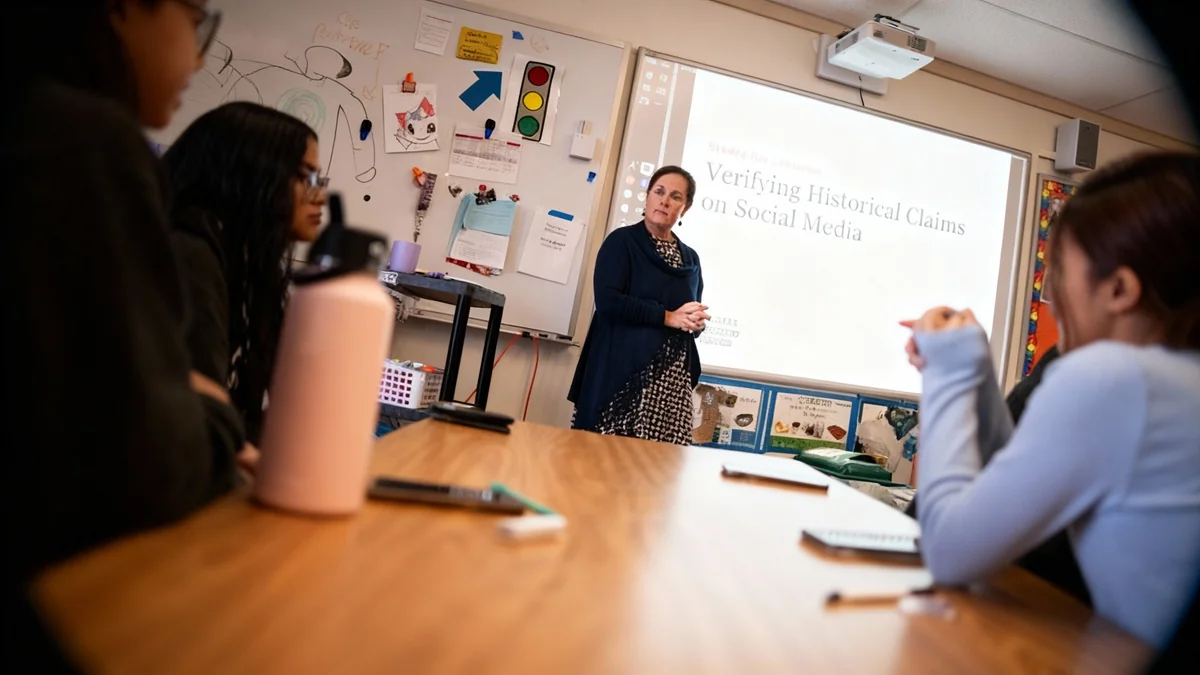




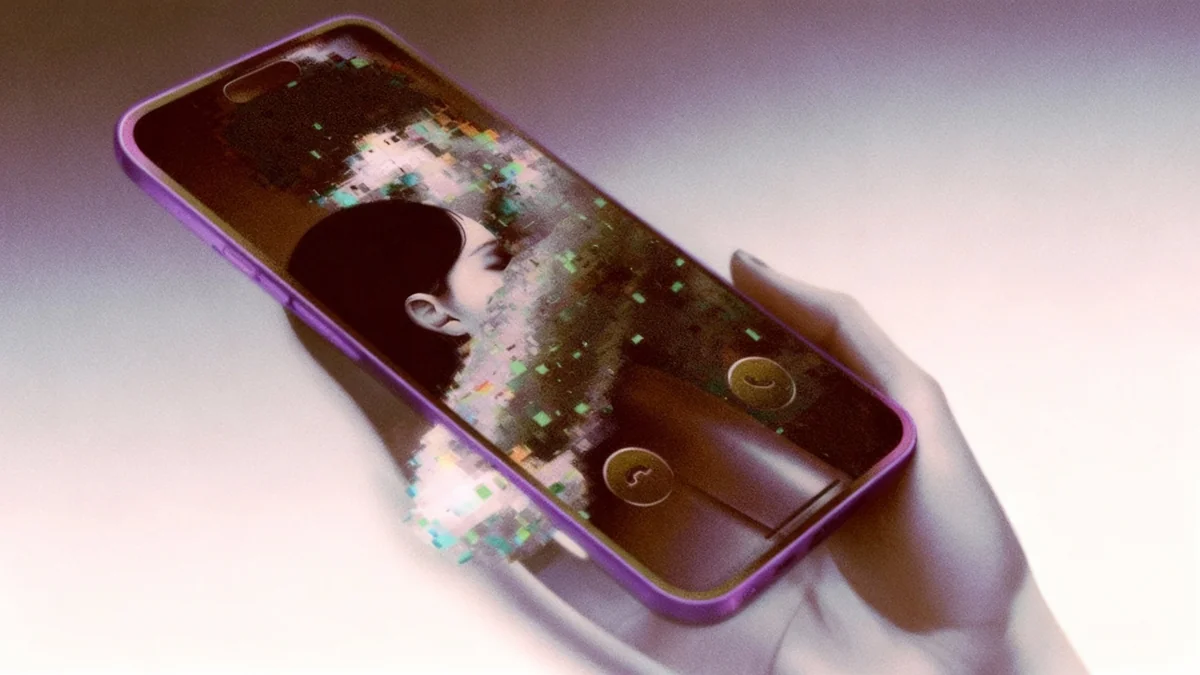
In a San Francisco high school, students are learning a new kind of self-defense. The opponent isn't a physical threat but a digital one: the wave of AI-generated deepfakes, partisan propaganda, and sophisticated misinformation flooding their social media feeds.
Educators like Valerie Ziegler are on the front lines, developing new curricula designed to arm teenagers with the critical thinking skills needed to navigate an increasingly complex online world. These efforts represent a significant shift in education, acknowledging that digital literacy is now a fundamental survival skill.
Key Takeaways
- California educators are implementing new programs to teach high school students how to identify online misinformation, including AI-generated deepfakes and propaganda.
- The curriculum focuses on practical skills like consulting multiple sources, recognizing emotionally manipulative content ('rage-bait'), and understanding the motivations behind online influencers.
- This educational push comes as content moderation policies on major social media platforms weaken and AI technology makes it easier to create convincing fake content.
- The goal is to equip students with defensive thinking skills to critically evaluate the information they encounter daily on platforms like TikTok and Instagram.
A New Front in the Classroom
Inside Valerie Ziegler's government, economy, and history classes at Abraham Lincoln High School, the lessons extend far beyond traditional textbooks. Students are actively dissecting the digital content they consume every day. They brainstorm methods to distinguish a real video from an AI-generated deepfake and learn to question the motives of online influencers.
The core of the instruction is teaching students to pause and think critically before accepting information at face value. This involves a multi-step process of verification and analysis. Ziegler guides her students to consult a variety of sources, moving beyond a single social media post to find corroborating information from established news outlets or academic sources.
"We’re sending these kids out into the world, and we’re supposed to have provided them skills," said Valerie Ziegler, a 50-year-old teacher in San Francisco.
This approach moves education from simple media consumption to active, critical engagement. It's a necessary response to an environment where baseless conspiracy theories and emotionally charged propaganda are designed to go viral.
Beyond Fact-Checking
The lessons are not just about identifying what is false, but understanding why it was created. Students learn to recognize the hallmarks of "rage-baiting," content intentionally designed to provoke a strong emotional reaction to drive engagement and clicks.
By analyzing the financial or ideological motivations of content creators, students gain a more sophisticated understanding of the online ecosystem. They learn that not all information is created to inform; much of it is designed to persuade, to sell, or to mislead.
The Evolving Digital Landscape
Two major trends have increased the urgency for this type of education. First, many large social media platforms have scaled back their content moderation efforts, making it easier for false or harmful narratives to spread. Second, the rapid advancement of generative artificial intelligence allows anyone to create highly realistic but entirely fabricated images, videos, and audio clips with minimal effort.
The Challenge of Generative AI
The rise of artificial intelligence presents a unique and formidable challenge for educators and students alike. The technology is evolving so rapidly that even professionals who specialize in detecting AI-generated content are often stumped. The persuasive nature of AI fakes makes them particularly effective tools for disinformation campaigns.
In Ziegler's classroom, the conversation is not just theoretical. Students discuss real-world examples and work together to develop strategies for identifying potential fakes. This might include looking for subtle visual inconsistencies in a video or questioning the source of a viral audio clip.
A Growing Concern
The proliferation of deepfakes and AI-driven misinformation is no longer a future problem. It is impacting everything from political discourse to personal reputations, making the skills taught in these new digital literacy courses more critical than ever.
The educational goal is not to make every student an expert in digital forensics. Instead, it is to foster a healthy skepticism and a habit of verification. Teachers emphasize that when something online seems too shocking or too perfect, it warrants a second look.
Preparing a Generation for a New Reality
Educators like Ziegler see this work as essential to preparing students for life after graduation. In a world where digital information shapes everything from public opinion to personal decisions, the ability to think critically and defensively online is no longer optional.
This movement in California is part of a broader recognition that the definition of literacy in the 21st century must expand. It's not enough to be able to read and write; one must also be able to navigate a digital world designed to capture attention and influence thought.
The challenge is immense. Teachers are tasked with keeping pace with technology that changes weekly while helping students unlearn passive consumption habits developed over years of scrolling through social media feeds.
However, the work being done in classrooms at Abraham Lincoln High and other schools provides a blueprint for the future of education. By empowering students with the tools to question, verify, and understand the complex world of online information, these educators are providing a skill set that will serve them for a lifetime.