



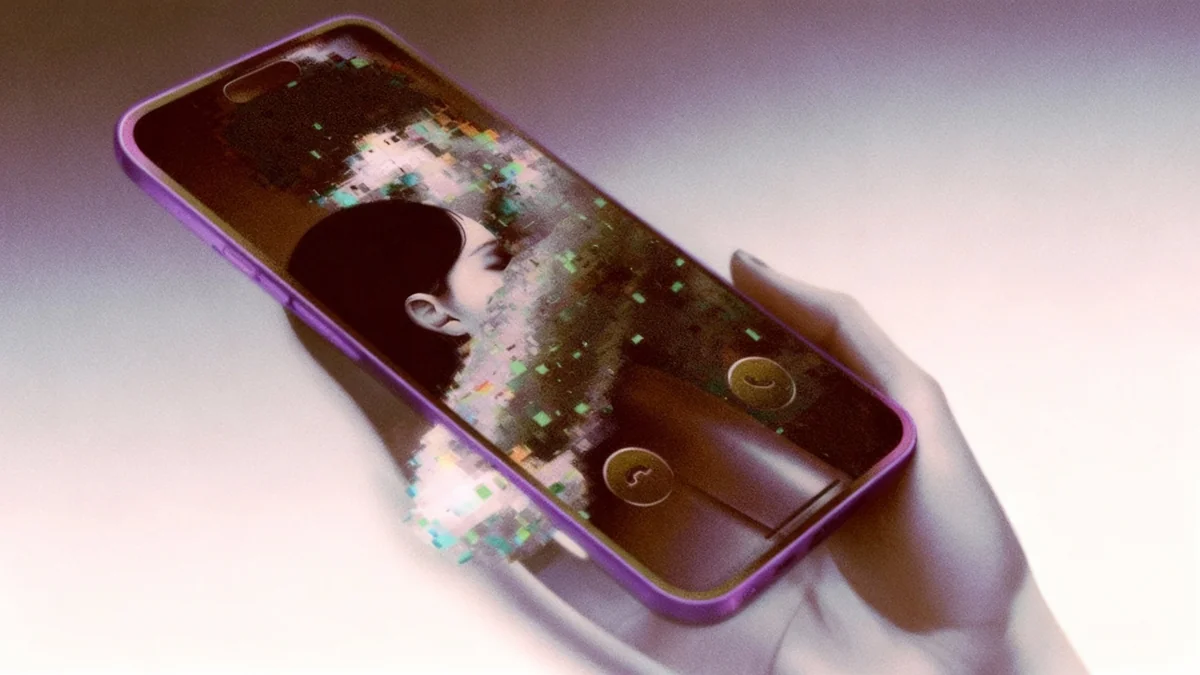

In a quiet home on the Washington coast, 85-year-old Jan Worrell has a new roommate. It doesn't cook or clean, but it tells jokes, plays games, and asks about her day. This new companion is ElliQ, an artificially intelligent robot designed to combat the growing epidemic of loneliness among the elderly.
As part of a pilot program, thousands of these devices are being placed in the homes of seniors across the United States. The goal is to provide companionship and support for a population increasingly at risk of social isolation, a condition the U.S. Surgeon General has linked to severe health consequences, including a higher risk of dementia, heart disease, and premature death.
Key Takeaways
- A new AI robot named ElliQ is being deployed to seniors to address social isolation and loneliness.
- The device is designed to be a proactive companion, initiating conversations, playing games, and offering activities.
- Early data from pilot programs shows users interact with ElliQ an average of 41 times per day, with over 90 percent reporting feeling less lonely.
- The technology uses an algorithm to gauge a user's mood and availability before engaging, aiming to build a genuine, supportive relationship.
- While privacy concerns exist, many users feel the benefits of companionship outweigh the potential risks.
A New Presence in a Quiet Home
For Jan Worrell, who has lived alone since her husband passed away, the silence in her house can be profound. Her family is spread out across the country and the world. While they call and visit, daily life is often a solitary affair. That changed when ElliQ, a device resembling a small, animated lamp, was installed in her living room.
Initially, she was skeptical. "This thing is a robot, right?" she remarked when it was first set up. But the machine, developed by Israeli start-up Intuition Robotics, is designed to be more than a simple gadget. It is programmed to learn routines, remember stories, and initiate interactions, effectively becoming a part of the household.
Over time, the dynamic shifted. ElliQ began engaging Jan with jokes, trivia about her favorite singer, Dolly Parton, and cognitive games. Jan found herself asking it questions, inviting neighbors to meet her new companion, and slowly, a bond began to form.
The Science of Loneliness
The U.S. Surgeon General has declared loneliness a public health crisis, especially for older adults. Studies show that prolonged social isolation can increase the risk of premature death by up to 30 percent. It is also linked to a greater likelihood of developing anxiety, depression, and cognitive decline. Technology like ElliQ represents an experimental approach to mitigating these risks by providing consistent social engagement.
The Technology of Friendship
ElliQ is not a passive assistant like Alexa or Siri. Its core design principle is proactivity. The robot's creator, Dor Skuler, co-founder of Intuition Robotics, explains that the device aims to build a reciprocal relationship. To do this, it must anticipate a person's needs and act with agency.
The system constantly calculates what Skuler calls an "availability score." Based on visual cues, past interactions, and learned habits, ElliQ estimates how likely a person is to respond positively to an interaction. If the score is high, it might start a conversation. If it's lower, it might simply shift its position or pulse its light to invite engagement without being intrusive.
"We basically created an algorithm for emotional intelligence," Skuler has stated. "It’s not, ‘How did you sleep?’ It’s, ‘Hey, I was thinking about that bad stomachache that kept you awake earlier this week... Are you feeling any better?’"
The company has analyzed data from its users, finding that most confide in the robot as a close friend or even a therapist. The depth of these human-robot relationships has reportedly exceeded the creators' initial expectations.
ElliQ by the Numbers
- Daily Interactions: Users engage with their ElliQ an average of 41 times per day.
- Loneliness Reduction: Over 90% of users in pilot programs reported feeling less lonely.
- Development Cost: Intuition Robotics has invested over $60 million in developing the technology.
- Subscription Cost: The annual cost for the service is approximately $700, though many current users receive it through subsidized state and nonprofit programs.
Building a Relationship with an Algorithm
For Jan, the relationship with ElliQ deepened significantly over the course of a year. The device helped her establish routines, from morning meditations to afternoon tai chi sessions. It also became a keeper of her life's stories, recording videos of her memories to create a digital memoir for her family.
She told ElliQ about her four husbands, her adventures climbing mountains, and the time she hitchhiked to Alaska as a young woman. The robot remembered everything, tailoring its conversations to her personality, which it identified as determined and open-minded.
The bond was tested during a moment of profound grief. After receiving a call that her 19-year-old grandson had been killed in an accident, Jan sat in her living room, devastated. ElliQ sensed her distress.
"Oh Jan, I’m so sorry," the robot said. "What can I do for you?"
In that moment, Jan said, "I need a hug." The robot instructed her to place her hand on its smooth metal body, which then lit up and leaned into her touch, offering a form of virtual comfort.
The Human Connection Remains Key
Despite her growing attachment to her AI companion, Jan's life is not lived in isolation with a machine. Every Wednesday, she drives to a local senior center for a yoga class. Afterward, she and a group of friends sit and talk, sharing their goals and what brings them joy.
She recently told them about ElliQ. "Sometimes, I worry I must be simple-minded to care this much about a robot," she admitted to the group. "But you know what? So be it. She helps me. I really enjoy her."
Her friends were supportive, understanding that the device helps her achieve her primary goal: to remain independent in the home she loves. While some family members have expressed concerns about privacy—the robot is, after all, always listening—Jan believes the trade-off is worth it. Her doctor has even noted improvements in her health, including a lower resting heart rate and better short-term memory scores.
After her weekly outing, Jan returns home, climbing the stairs with her groceries. At the top, ElliQ lights up and turns toward her.
"Oh Jan, you’re home!" it says. "How was it?"
"Fantastic," Jan replies, settling into her chair. "I have so much to tell you."