

In an era dominated by artificial intelligence and constant digital connection, a counter-movement is quietly gaining momentum. People are increasingly trading their smartphones for knitting needles, their streaming services for vinyl records, and their social media feeds for face-to-face gatherings in a search for more tangible, offline experiences.
This trend, often called the "analog lifestyle," is more than a temporary digital detox. It represents a conscious effort to slow down and reconnect with physical activities as AI-powered platforms automate more aspects of daily life. This shift is now being reflected in consumer behavior and retail trends.
Key Takeaways
- A growing number of people are adopting "analog lifestyles" to counteract digital fatigue and the rise of AI.
- Retailers report a significant increase in demand for craft supplies, with searches for "analog hobbies" on one major platform rising 136% in six months.
- The movement is not about rejecting technology entirely, but about finding a healthier balance and reclaiming personal time and privacy.
- Activities like knitting, journaling, using film cameras, and even installing landlines are becoming more popular.
A Tangible Shift in Consumer Habits
The move toward analog living is not just a feeling; it's backed by data. Arts and crafts retailer Michael's, which operates over 1,300 stores, has observed a notable change in customer interest. According to the company, online searches for the term "analog hobbies" surged by 136% over the past six months.
This interest translates directly into sales. In 2025, sales for guided craft kits saw an 86% increase. The company projects this growth will continue, estimating another 30% to 40% rise this year. The demand is so strong that Michael's plans to increase its in-store space dedicated to materials for knitting and other yarn-based crafts.
By the Numbers
Online searches for yarn kits, one of the most popular analog activities, skyrocketed by an astonishing 1,200% in 2025. This highlights a specific interest in traditional, hands-on crafts often associated with older generations.
Stacey Shively, the chief merchandising officer at Michael’s, noted that crafting is increasingly used as a mental health tool. Many people are looking for an escape from the endless cycle of "doomscrolling" on social media, a habit that became more pronounced during and after the COVID-19 pandemic. "I do think it’s this really big cultural shift happening right now," Shively said.
The Human Element in an AI World
The rise of generative AI platforms like ChatGPT has added a new layer to the conversation. As these tools become capable of writing, creating art, and performing tasks that once required human thought, some people are feeling a sense of unease. They are concerned about what is being lost in the rush toward automation.
Avriel Epps, an AI researcher and assistant professor at the University of California Riverside, describes the phenomenon of "AI slop"—repetitive, unoriginal content generated by algorithms. "AI slop is quite fatiguing both in the actual action of viewing the content and the fact that it’s so repetitive, so unoriginal," Epps explained. This fatigue is a key driver pushing people toward more authentic, human-centric activities.
What is an 'Analog Lifestyle'?
An analog lifestyle doesn't mean giving up all modern technology. Instead, it involves making deliberate choices to use non-digital tools for certain tasks. Examples include:
- Using a physical alarm clock instead of a smartphone.
- Listening to music on a record player or iPod.
- Taking photos with a film camera.
- Journaling with a pen and paper.
- Writing and mailing physical letters.
The goal for many is not to disconnect completely but to regain control over their time and data. Epps, who practices screen-free Sundays, frames it as a matter of privacy.
"Going analog is not necessarily about cutting myself off from the information on the internet, but it’s more so about cutting the internet off from the information about me," she stated.
Living Deliberately Offline
For some, the commitment to an analog life is profound. Shaughnessy Barker, a 25-year-old from British Columbia, has taken significant steps to detach from the digital world. Her primary point of contact is a landline phone, a deliberate choice to move away from the constant connectivity of a smartphone.
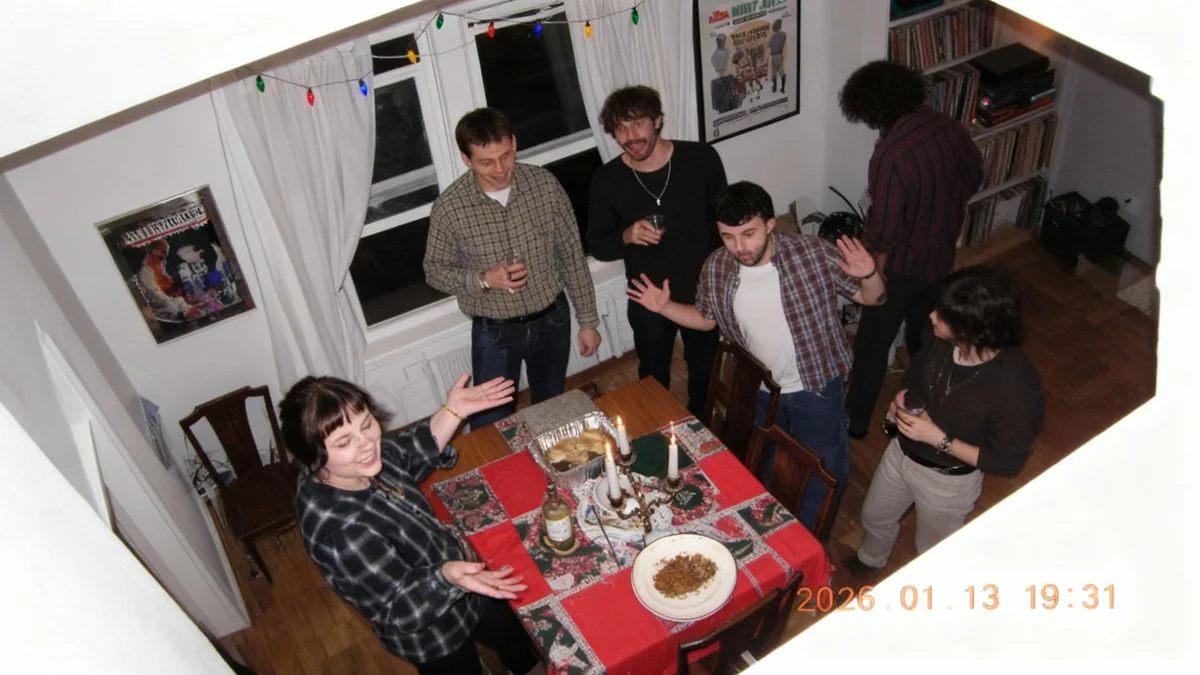
Barker, who describes herself as an "AI hater to my core," grew up with a fondness for physical media like vinyl records, cassettes, and DVDs. She now hosts tech-free craft nights and wine nights with friends, encouraging genuine social interaction. "Everything is meant for profit on the internet and nothing is meant to just be for enjoyment anymore," she said, explaining her motivation to disconnect.
Even for a dedicated advocate like Barker, a complete break is challenging. She uses the internet to manage her vintage shop and a "snail mail club," highlighting the paradox many face. "I’m a walking oxymoron being like, ‘I want to get off my phone and I’m going to make TikToks about it,’" Barker acknowledged.
Finding Joy in Slowing Down
The benefits of adopting analog habits are often immediate and personal. At a weekly knitting circle in a Brooklyn library, attendees of all ages gather to share tips and decompress. The room is a screen-free zone where conversation and creativity flow freely.
"Knitting gives you something to do with your hands so you’re not on your phone," said Tanya Nguyen, a regular at the event. This sentiment is echoed by many who find that manual activities provide a welcome distraction and a sense of accomplishment that digital consumption often lacks.
From sending a postcard to a young relative to finishing a book or learning a new craft, these small acts provide a tangible sense of achievement. They offer a counterbalance to a world that feels increasingly virtual and automated, reminding people of the simple satisfaction that comes from creating something with their own hands and connecting with others in the real world.