


As artificial intelligence continues to integrate into daily life, many individuals are making conscious decisions about when to step away from AI tools. This trend highlights a growing desire to maintain human agency and critical thinking in core professional and personal areas, even as AI offers efficiency.
Key Takeaways
- Individuals are deliberately choosing not to use AI for tasks central to their identity or requiring human judgment.
- Creative professionals often avoid AI for generating original work, viewing it as undermining their craft.
- Scientists and economists express concerns about AI's current inability to critically evaluate research quality and bias.
- Many also limit AI use in personal interactions to preserve genuine human connection.
Deliberate Choices in a Connected World
The rapid advancement of AI has sparked conversations about its role in human tasks. While AI promises shortcuts and increased productivity, a significant number of people are choosing to keep it out of certain parts of their lives. This isn't necessarily due to fear of AI making us 'lazy' or 'unintelligent', but rather a recognition of human nature's tendency to seek easier paths.
Understanding when to leverage AI for efficiency and when to engage human intellect remains a personal choice for many. This balance is becoming increasingly important as AI tools become more sophisticated and readily available across various sectors.
AI and Human Nature
Research suggests humans are hardwired to take shortcuts when given the chance. The current trend of selective AI use reflects a conscious effort to balance this innate tendency with the need for deeper engagement.
Artists and the Creative Process
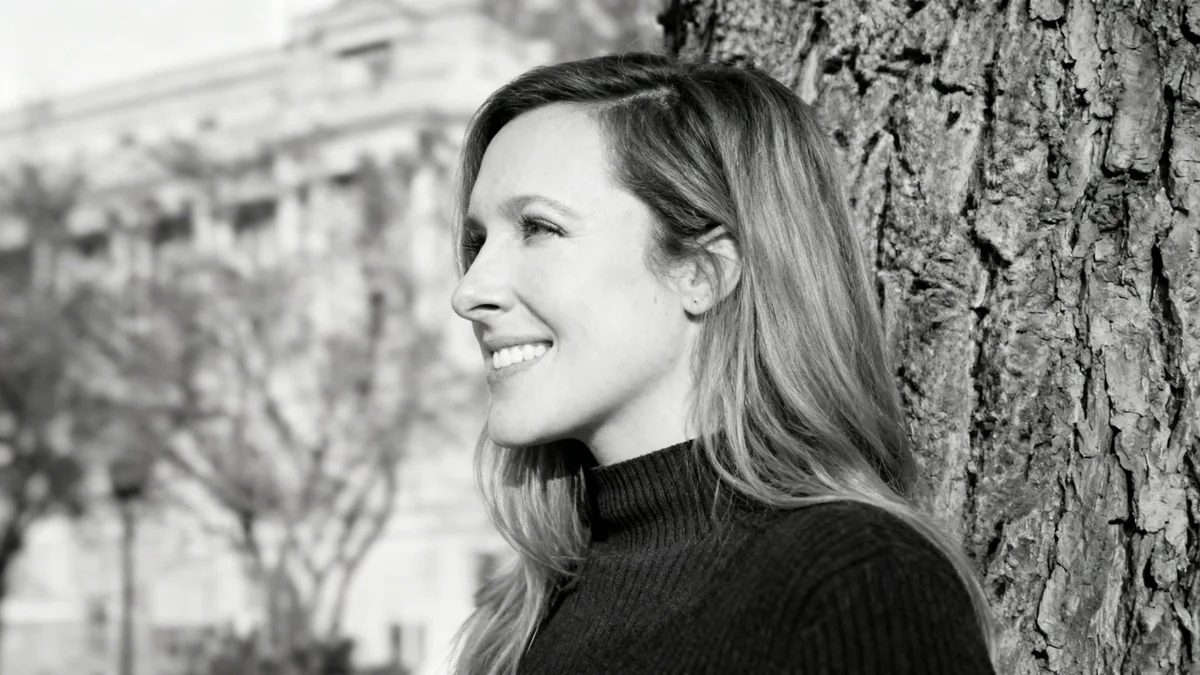
For creative professionals, the decision to avoid AI often stems from a deep connection to their craft. Jon Lajoie, an actor, musician, and comedian, has experimented with AI tools. He sees them more as a challenge to understand than a replacement for his work.
"You know you're not doing the thing that you love doing and want to do," Lajoie said, questioning why any artist would fully outsource their work to AI.
This sentiment resonates with many artists who view the creative process itself as integral to their identity. The act of creation, with all its struggles and triumphs, is often more valuable than the final product alone.
The Value of Originality
Artists emphasize that true originality and personal expression come from human effort. While AI can generate content, it often lacks the unique perspective and emotional depth that defines human art. This distinction is crucial for those whose livelihoods and passions are rooted in creative endeavors.
AI in Professional Fields
Beyond the arts, professionals in fields requiring precision and critical analysis are also hesitant to fully embrace AI. Science, mathematics, and data analysis are among the top areas where people report limiting their AI use.
Economist Heidi King explained her reasoning:
"AI tools cannot yet discern the quality of scientific evidence, gaps in research, representativeness of study subjects or sources of bias in the methods or experiment design."
She deliberately avoids AI for any task where accuracy is paramount. This highlights a fundamental concern about AI's current limitations in complex analytical tasks.
Critical Evaluation
Human experts bring a nuanced understanding of context, potential biases, and the limitations of data that AI models currently struggle to replicate. This makes human oversight essential in fields like scientific research and economic analysis.
Maintaining Human Connection
The decision to limit AI extends into personal relationships as well. Cara Masessa, VP at Method Communications, makes a point of avoiding AI in conversations with friends and family. This choice underscores a desire to preserve authentic human interaction.
In a world increasingly mediated by technology, many prioritize genuine connection. AI, while capable of generating responses, often lacks the emotional intelligence and spontaneity that define meaningful personal exchanges. This boundary helps maintain the integrity of human relationships.
The Role of Empathy
Human empathy and understanding are complex qualities that AI has not yet mastered. For many, conversations with loved ones require a level of emotional depth and responsiveness that only another human can provide. This is a key reason why personal interactions remain largely untouched by AI for many.
The Future of AI Integration
The current trend suggests that while AI will continue to expand its influence, humans will actively define its boundaries. Rather than a wholesale adoption, we are seeing a nuanced integration where AI serves as a tool, not a replacement, for certain human functions.
This selective approach points to a future where individuals exercise greater control over technology. It emphasizes the enduring value of human skills, creativity, and connection in an increasingly automated world. The ongoing dialogue about AI's appropriate uses will likely shape its development for years to come.
Ultimately, the choice of when and how to use AI reflects a broader human desire to remain in control of our intellectual and emotional landscapes. It is a testament to the irreplaceable value of human thought and creativity.