



Google is advancing plans to construct a new data center on Christmas Island, a remote Australian territory strategically located in the Indian Ocean. The project, which follows a recent cloud computing agreement with Australia's Department of Defence, has sparked discussions about the island's growing military significance and the potential economic and environmental impacts on its small community.
While the tech giant frames the initiative as part of a broader effort to enhance digital infrastructure in the Indo-Pacific, military analysts point to the facility's potential to support advanced defence operations in a region of increasing geopolitical focus.
Key Takeaways
- Google is in advanced talks to build a data center on Australia's Christmas Island, located 350 km south of Indonesia.
- The project follows a cloud computing deal signed between Google and the Australian Department of Defence in July.
- Military experts suggest the facility could serve as a strategic command and control node for AI-enabled defence systems.
- Local officials are weighing the economic benefits against concerns over the island's limited energy supply and unique environment.
- Plans include a new subsea cable connecting the island to Darwin, Australia, bolstering regional connectivity.
A New Digital Hub in the Indian Ocean
Google has entered into advanced negotiations to lease land near the airport on Christmas Island for its proposed data facility. Documents and discussions with local officials reveal the project is a significant undertaking for the island, which is home to just 1,600 residents and is situated 1,500 kilometers from the Australian mainland.
The company has also been in talks with a local mining firm to secure a stable power source for the facility. According to a source on the island, Google requested a long-term energy supply deal sufficient for a 7-megawatt data center, which would utilize a combination of diesel and renewable power.
In a statement, Google described the project as part of its work on subsea cable infrastructure to improve digital resilience in the region. The company stated it is not constructing "a large artificial intelligence data centre" and promised to share more details soon. Australia's Department of Infrastructure confirmed it is in discussions with Google to ensure the project's energy needs can be met without affecting the local power grid.
Strategic Implications for Regional Defence
The planned data center is viewed by defence analysts as more than just a commercial venture. Its location on Christmas Island, a key monitoring point for naval activity in the Indian Ocean, gives it considerable strategic value. The island's position offers a vantage point over major shipping lanes, including the Sunda and Lombok straits.
A Critical Forward Operating Base
Recent military exercises involving Australian, U.S., and Japanese forces have highlighted Christmas Island's role as a forward defence location. War game scenarios have explored its use for launching uncrewed systems, such as drones, and for rapid deployment of assets like the U.S. HIMARS rocket system from Darwin.
Bryan Clark, a former U.S. Navy strategist and a fellow at the Hudson Institute, noted that a data center on the island could be critical in a regional conflict. He explained that such a facility would enable the kind of AI-powered command and control needed for future military operations, particularly those relying on drones for surveillance and targeting.
"If you've got a data centre on Christmas, you can do a lot of that through cloud infrastructure," Clark said, emphasizing the reliability of subsea cables over satellite communications, which could be vulnerable to jamming during a crisis.
This development comes just months after Australia's Department of Defence finalized a three-year cloud services agreement with Google, a move mirrored by Britain's military to enhance intelligence sharing with the United States.
Connecting the Dots with Undersea Cables
A central component of Google's plan is the establishment of new connectivity infrastructure. The company applied for Australian environmental approvals last month to lay the first-ever subsea cable connecting Christmas Island to Darwin, the northern Australian city that hosts a rotational U.S. Marine Corps presence.
This cable is expected to provide significantly more bandwidth and reliability than existing satellite links. Planning documents also show Google has proposed an "additional future cable system" that would link Christmas Island to Asia, further cementing its position as a digital crossroads in the Indian Ocean.
Island by the Numbers
- Location: 350 km south of Indonesia
- Population: Approximately 1,600 residents
- Area: 135 square kilometers (52 square miles)
- Distance to Mainland: 1,500 km from Australia
- Proposed Power: 7 megawatts for the data center
Local Community Weighs Benefits and Risks
For the residents of Christmas Island, the project presents both opportunities and challenges. The island's economy has historically relied on phosphate mining and, more recently, an asylum seeker detention center. Proponents hope the data center will bring much-needed economic diversification, jobs, and infrastructure improvements.
Steve Pereira, President of the Christmas Island Shire, stated that community support is conditional. "There is support for it, providing this data centre actually does put back into the community with infrastructure, employment and adding economic value to the island," he explained.
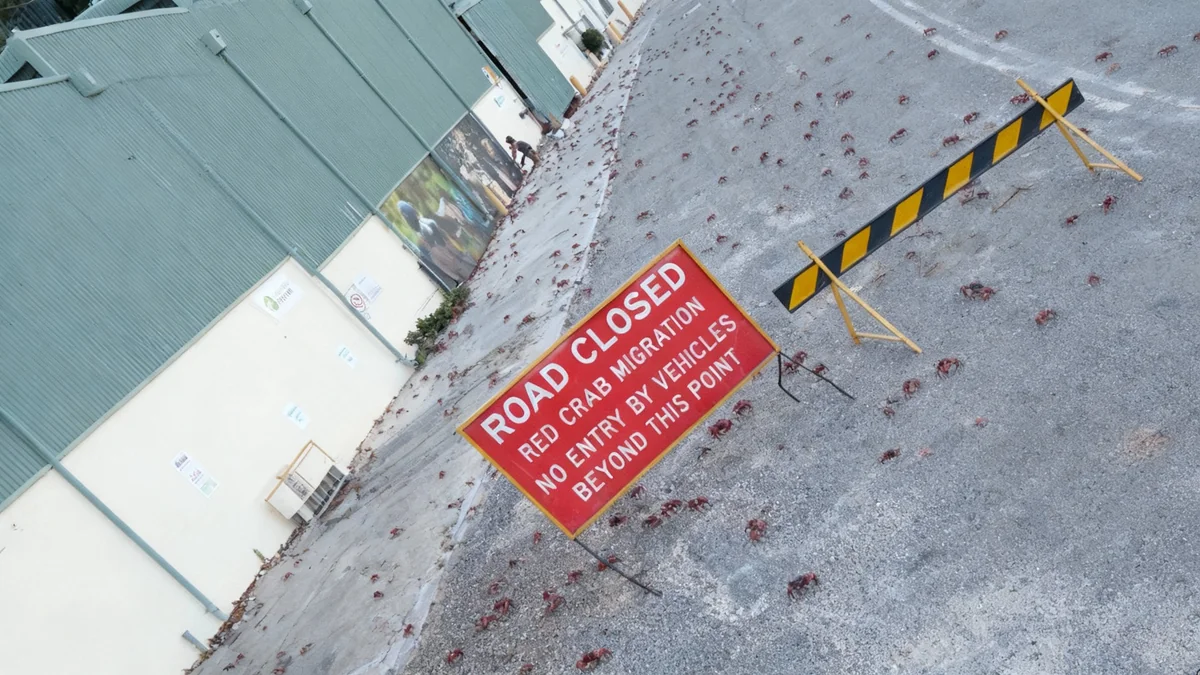
However, significant concerns remain. The primary worry is the strain a 7-megawatt facility would place on the island's fragile energy infrastructure, which currently depends on diesel generators with limited renewable supplements. The Australian government has assured that all environmental and planning requirements must be met for the project to proceed, acknowledging the island's unique ecosystem, famous for its annual red crab migration.
As the island's strategic importance grows, residents find themselves at the intersection of global technology, military strategy, and local development. "We are a strategic asset for defence," Pereira acknowledged, adding that the interests of the community and its existing industries will be carefully considered as the project moves toward final approval.