




Taiwan Semiconductor Manufacturing Company (TSMC) announced a record-breaking third-quarter profit, with a 39.1% increase compared to the same period last year. The surge was primarily driven by sustained high demand for advanced chips used in artificial intelligence applications, allowing the company to significantly outperform market expectations.
Key Takeaways
- TSMC's third-quarter net income rose by 39.1% year-over-year, setting a new company record.
- Revenue for the quarter reached NT$989.92 billion, a 30.3% increase from the previous year.
- Demand for artificial intelligence (AI) and high-performance computing (HPC) chips was the main driver of growth.
- The company upgraded its 2025 revenue growth forecast to the mid-30% range, citing positive AI market trends.
- Advanced chips (7-nanometer and smaller) accounted for 74% of total wafer revenue.
Record-Setting Financial Results
TSMC, the world's largest contract chipmaker, reported financial results for the third quarter that surpassed analyst predictions. The company's net income saw a substantial 39.1% rise from the previous year. This marks the second consecutive quarter of profit growth for the technology giant.
Revenue also showed strong performance, climbing 30.3% year-over-year to reach NT$989.92 billion. On a quarter-over-quarter basis, net income grew by 13.6%, indicating continued momentum in the latter half of the year.
Q3 Financial Highlights
- Net Income Growth (YoY): +39.1%
- Revenue Growth (YoY): +30.3%
- Total Revenue: NT$989.92 billion
- Net Income Growth (QoQ): +13.6%
AI and High-Performance Computing Fuel Growth
The primary catalyst for TSMC's impressive results is the ongoing boom in artificial intelligence. As Asia's most valuable technology company, TSMC manufactures critical, high-end processors for industry leaders like Nvidia and Apple, who are at the forefront of AI development.
During an earnings call, TSMC CEO C.C. Wei highlighted the positive market conditions. He noted that the increasing adoption of AI models by consumers is creating a significant need for more computing power, which in turn drives demand for advanced semiconductor products.
"Recent developments in AI market continue to be very positive," stated C.C. Wei, emphasizing the link between consumer AI adoption and the demand for powerful chips.
This trend is reflected in the company's revenue streams. The high-performance computing (HPC) division, which includes AI and 5G-related technologies, was the largest contributor to sales, accounting for 57% of total revenues in the third quarter.
Advanced Technology Leadership
TSMC's dominance in advanced chip manufacturing is a key factor in its success. In the semiconductor industry, smaller nanometer sizes correspond to more powerful and efficient chips. During the quarter, revenue from TSMC's most advanced processes saw significant growth.
Chips manufactured using 7-nanometer (nm) technology or smaller accounted for 74% of the company's total wafer revenue. According to William Li, a senior analyst at Counterpoint Research, this performance is directly tied to the demand from AI and premium smartphone clients.
"TSMC’s robust earnings are a direct reflection of the strong traction at 3nm as well as high utilization at 4/5nm – both of which are being driven by ongoing orders from AI GPU and HPC customers and premium smartphone platforms," Li explained in a statement.
Updated Forecast and Market Outlook
Buoyed by the strong performance and positive outlook for AI, TSMC has raised its financial forecast. The company now projects that its revenue growth for 2025 will be in the mid-30% range. This is an upward revision from its previous forecast of approximately 30% growth, which was issued in July.
Navigating Geopolitical Factors
Beyond market demand, TSMC is also navigating the complex geopolitical landscape. Company executives confirmed they are closely monitoring discussions around U.S. tariff policies. Taiwan is currently negotiating for a lower "reciprocal" rate as Washington considers new duties on semiconductors.
CEO C.C. Wei acknowledged the potential challenges. "We understand there are uncertainties and risks from the potential impact of tariff policies, especially in consumer-related and price-sensitive market segments," he said. Wei added that the company will continue to plan for any potential impact from these policies.
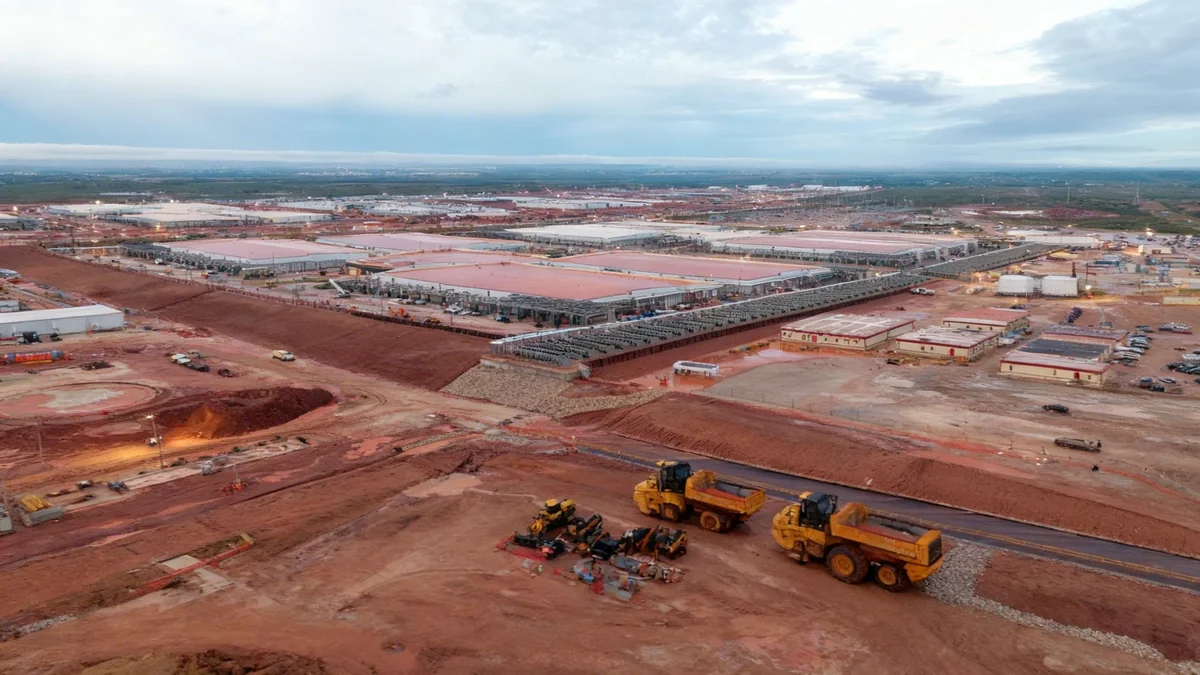
To mitigate such risks and diversify its manufacturing footprint, TSMC has been making significant investments in new facilities in the United States. These strategic investments could help reduce the company's exposure to future tariff impacts and strengthen its global supply chain resilience.