



Samsung Electronics Co. has reported its largest quarterly profit in over three years, driven by a significant increase in demand for memory chips used in artificial intelligence systems. The company announced a preliminary operating profit of approximately 12.1 trillion won ($8.5 billion) for the September quarter, far surpassing analyst estimates.
The strong performance signals a robust recovery in the company's semiconductor division, which is capitalizing on the global expansion of AI infrastructure. Following the announcement, Samsung's shares rose by as much as 3.1% in Seoul, reflecting growing investor confidence in the company's position in the competitive AI hardware market.
Key Takeaways
- Samsung's operating profit of 12.1 trillion won for the September quarter significantly beat the 9.70 trillion won projection.
- Revenue increased by approximately 9% to 86 trillion won.
- The growth is primarily fueled by high demand for memory chips, especially High-Bandwidth Memory (HBM), for AI applications.
- Samsung is competing with SK Hynix to supply advanced HBM chips to major AI companies like Nvidia and AMD.
- The company's stock has surged over 60% since early June, indicating strong market optimism.
Financial Performance Details
Samsung's preliminary earnings report for the third quarter revealed an operating profit of 12.1 trillion won, a figure that exceeded market expectations by a wide margin. According to analysts surveyed, the consensus projection was 9.70 trillion won. This result marks the company's most profitable quarter in more than three years.
The company also reported that its revenue for the period rose about 9% to reach 86 trillion won. The positive financial results prompted an immediate reaction in the stock market, with Samsung's shares climbing 3.1% in Tuesday morning trading in Seoul. A complete financial statement, including net income and detailed performance by division, is scheduled for release on October 30.
By the Numbers
- Operating Profit: 12.1 trillion won ($8.5 billion)
- Analyst Estimate: 9.70 trillion won
- Revenue: 86 trillion won (a 9% increase)
- Stock Price Jump: Up to 3.1% after the announcement
The Role of Artificial Intelligence
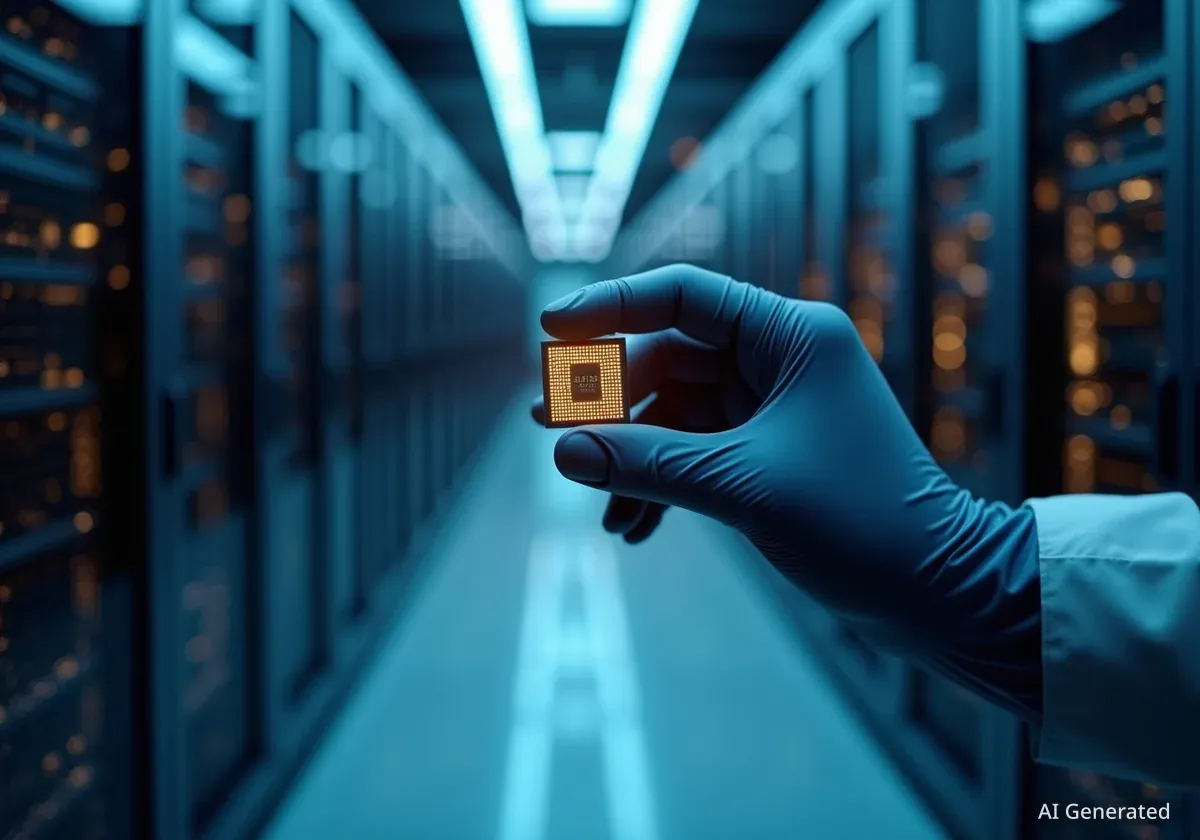
The surge in Samsung's profitability is directly linked to the booming artificial intelligence sector. AI models and servers require vast quantities of high-performance memory chips to process complex calculations. Samsung is a key manufacturer of these components, particularly High-Bandwidth Memory (HBM), which is essential for AI accelerators.
Sanjeev Rana, head of research at CLSA Securities Korea, noted the unexpected strength of the results. "Samsung’s operating profit was much bigger than anyone was expecting," he said. Rana attributed the performance to a significant recovery in HBM shipments, which he estimated rose 70% to 80% from the previous quarter.
"Its high-bandwidth memory shipments have recovered, rising 70% to 80% from the previous quarter, and there is a possibility that the size of the writedowns in the foundry business was much smaller than expected."
This increased demand has allowed Samsung to capitalize on higher prices and sales volumes for both its advanced HBM chips and its more general-purpose DRAM and NAND memory products.
Navigating a Competitive Market
While the results are strong, Samsung faces intense competition, primarily from its South Korean rival, SK Hynix Inc. For several years, SK Hynix established a lead in the lucrative HBM market, particularly as a key supplier for Nvidia Corp., the dominant player in AI chips.
Samsung is now making significant strides to close this gap. The company has secured an order for its latest HBM chips from Advanced Micro Devices Inc. (AMD) and is reportedly awaiting final qualification for its HBM3E chips from Nvidia. Success in securing Nvidia as a customer would be a major milestone for Samsung's AI chip business.
The HBM Chip Race
High-Bandwidth Memory (HBM) is a type of advanced memory that stacks memory chips vertically to provide faster data transfer speeds and lower power consumption compared to traditional memory. This architecture is critical for AI processors that need to access large datasets quickly. The competition between Samsung and SK Hynix centers on producing the most advanced and reliable HBM for leading AI companies.
MS Hwang, research director at Counterpoint, suggested that Samsung may have already reclaimed its position as the top memory manufacturer by revenue. However, he cautioned that the full impact of its HBM3E shipments to Nvidia is still limited.
"To regain its previous market leadership, Samsung needs to carry this momentum into its next-generation product, HBM4."
Future Outlook and Strategic Moves
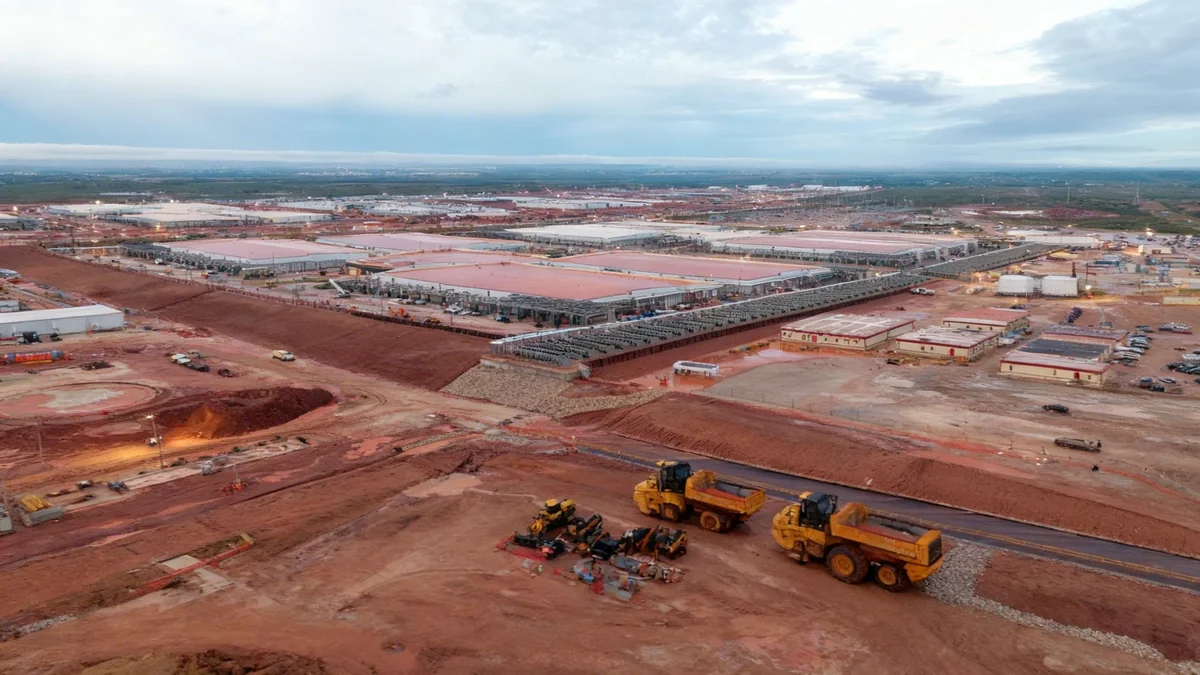
Investor optimism is high, with Samsung's shares having surged more than 60% since early June. This is partly due to the company's strategic positioning for future AI growth. Both Samsung and SK Hynix recently signed agreements to supply chips for OpenAI's ambitious Stargate project, a supercomputing initiative expected to require an unprecedented amount of memory.
The demand projected for the Stargate project alone is estimated to be more than twice the current global production capacity for HBM chips. This underscores the immense scale of upcoming AI infrastructure projects and the potential for continued growth in the semiconductor market.
During a previous earnings call in July, Samsung's Chief Financial Officer, Park Sooncheol, stated that the company expected a "meaningful expansion" in high-end memory products during the second half of the year. The latest profit figures suggest that this expansion is well underway, setting a positive tone for the company's future performance as the AI boom continues to accelerate.