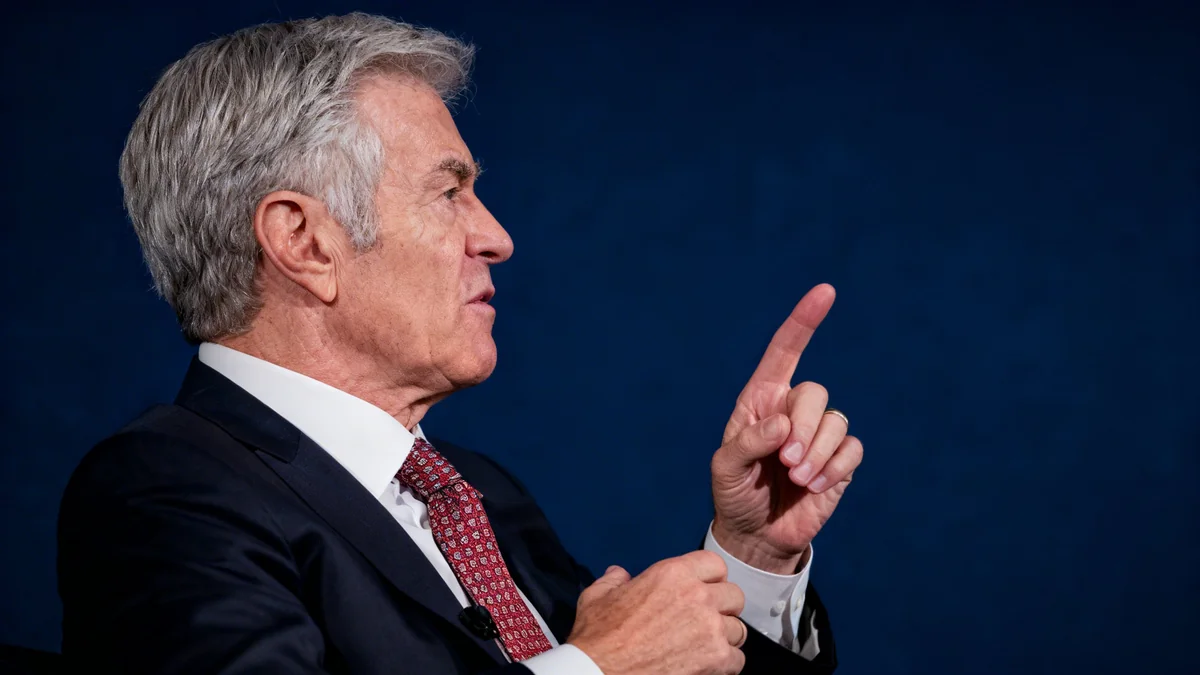


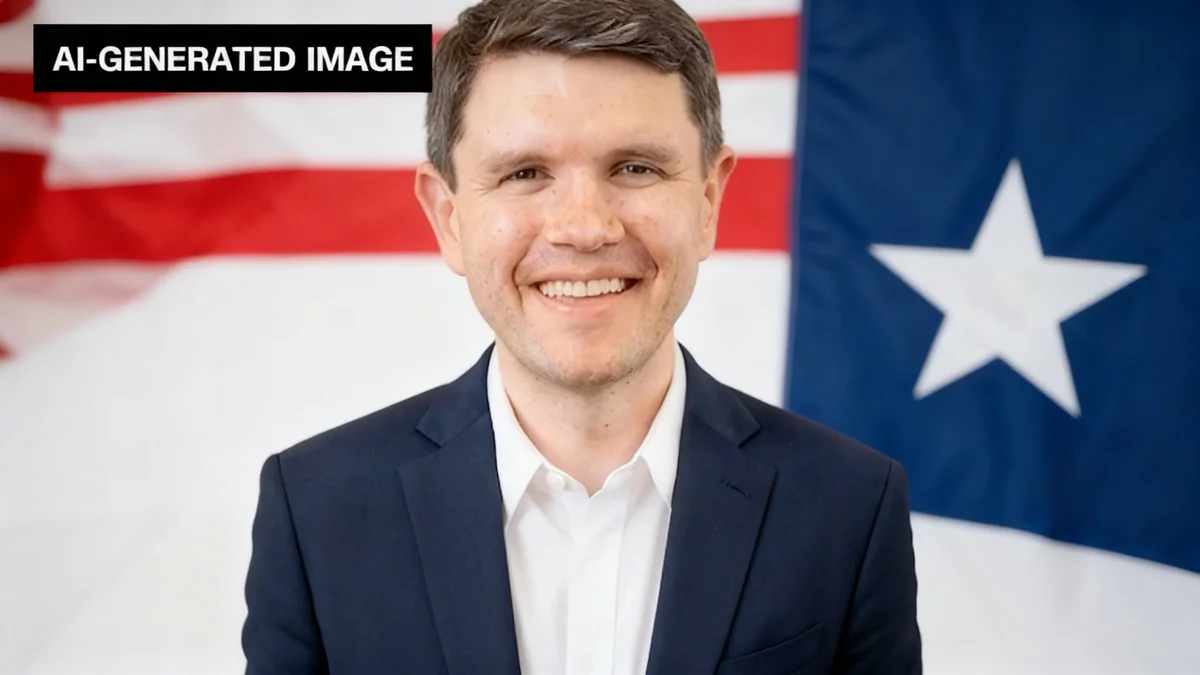

The head of the Centers for Medicare and Medicaid Services, Dr. Mehmet Oz, has proposed using artificial intelligence avatars to address the growing healthcare crisis in rural America. The suggestion, part of a broader $50 billion federal plan, has ignited a debate among health experts over the role of technology in communities facing unprecedented hospital closures and doctor shortages.
While proponents argue AI could expand medical access and reduce administrative burdens, critics express deep concerns about replacing human connection in patient care and creating a two-tiered health system.
Key Takeaways
- Dr. Mehmet Oz, CMS administrator, advocates for AI avatars to multiply the reach of doctors in underserved rural areas.
- The proposal is part of a $50 billion Trump administration plan to modernize rural healthcare.
- More than 190 rural hospitals have closed in the U.S. since 2005, creating significant care gaps.
- Experts are divided, with some warning of the loss of human trust and others seeing potential for administrative efficiency.
A Digital Prescription for a System in Need
During a recent event on behavioral health, Dr. Mehmet Oz presented a vision for the future of rural medicine that relies heavily on technology. "There's no question about it — whether you want it or not — the best way to help some of these communities is gonna be AI-based avatars," Oz stated. He suggested these digital tools could increase a physician's capacity by as much as five times without leading to burnout.
The proposal is a component of the administration's ambitious $50 billion initiative aimed at overhauling rural healthcare. This plan includes deploying not only AI for patient interviews but also robotic systems for remote diagnostics and drones for delivering medications to areas without local pharmacies.
As an example, Dr. Oz pointed to obstetric care. "We can use robots to do ultrasounds on pregnant women," he explained. "You take a wand, you don't even see the image—you just get digitized insights that tell you whether the child's OK."
Official Clarification
In a subsequent statement, the Centers for Medicare and Medicaid Services clarified that Dr. Oz's comments were meant to highlight the need to "responsibly explore tools" that extend the reach of clinicians, not replace them. The agency affirmed its support for AI-enabled tools that are evidence-based and used under appropriate clinical supervision.
The Deepening Crisis in Rural Health
Dr. Oz's technological pitch comes at a critical time for rural communities. A wave of hospital closures has left many residents without local access to basic or emergency medical services. According to data from the nonpartisan research organization KFF, more than 190 rural hospitals have shut their doors between 2005 and early 2024, representing about 10% of all rural hospitals nationwide.
These closures are driven by significant financial pressures, which critics say have been intensified by recent federal policy. The One Big Beautiful Bill Act, signed last year, is set to cut federal Medicaid spending by approximately $1 trillion over a decade, a move that heavily impacts the budgets of rural facilities.
A Preventable Disparity
A 2024 report from the Centers for Disease Control and Prevention found that people in rural counties are more likely to die prematurely from the five leading causes of death, including heart disease and cancer. The CDC noted many of these deaths are preventable with timely, high-quality care.
The consequences are stark. Residents often face long drives for treatment, which can lead to delayed care or forgoing it entirely. The CDC links these outcomes to limited provider access, higher poverty rates, and lower insurance coverage in rural areas.
The Debate: Efficiency vs. Empathy
The proposal to introduce AI doctors has drawn sharp criticism from those who believe it misunderstands the nature of healthcare. Carrie Henning-Smith, an associate professor at the University of Minnesota's Rural Health Research Center, argues that technology cannot replace the vital human element.
"Health care has always been about humanity and relationship," Henning-Smith said. "If your first and only provider is an avatar, we're removing trust, comfort, and continuity."
She also raised ethical questions about deploying unproven technology on vulnerable populations. "I don't like the idea of rural populations being treated as guinea pigs," she stated, pointing to potential pitfalls if the technology is not thoroughly vetted. Logistical hurdles like unreliable broadband internet could also worsen existing inequalities.
A Tool to Reduce Doctor Burnout?
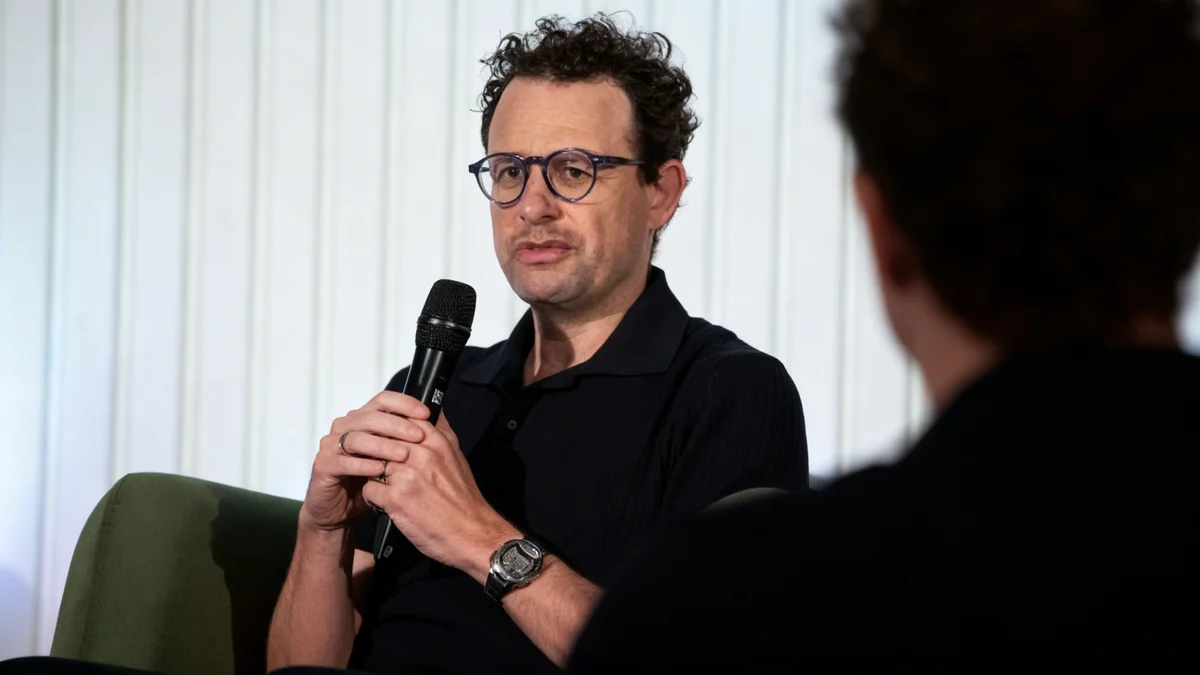
However, some in the health tech industry see a more supportive role for AI. Matt Faustman, CEO of Honey Health, a company that develops AI tools for providers, believes the technology's greatest immediate value is in reducing administrative work.
"Thirty to forty percent of physician or provider time can really get absorbed with administrative work," Faustman explained. He argues that automating tasks like managing faxes and processing insurance authorizations could free up clinicians to spend more time with patients, a significant benefit in understaffed rural clinics.
Faustman also sees a place for patient-facing AI as a preliminary step. "It can serve as an initial triage or even an early access opportunity for those patients to then get diverted to the right providers," he noted.
Can a Machine Replicate a Doctor's Touch?
The core of the disagreement lies in whether an algorithm can perform the subtle, relationship-building work of a human clinician. Henning-Smith is skeptical. "AI can't read facial expressions, tone of voice, or body language," she said. "And those things matter. That's where the relationship between a patient and provider is built — in the nuance."
In communities where trust in the medical system may already be fragile, the absence of a trusted human professional could be particularly damaging. Furthermore, Henning-Smith pointed to the economic impact. "When a nurse or doctor is employed in a rural town, their salary stays there," she said. "But when you replace that job with an AI tool built in Silicon Valley, that money leaves."
The public reaction online has been largely critical, with many questioning the practicality and desirability of AI doctors. Still, the proposal has forced a national conversation about the dire state of rural healthcare and the potential solutions—or stopgaps—technology might offer.
As the debate continues, Henning-Smith posed a pointed question. "I'd be curious if Dr. Oz would want an avatar treating his own family," she said. "This feels like a two-tiered system — one for those with resources, and another for those without. And I don't think we should be okay with that."