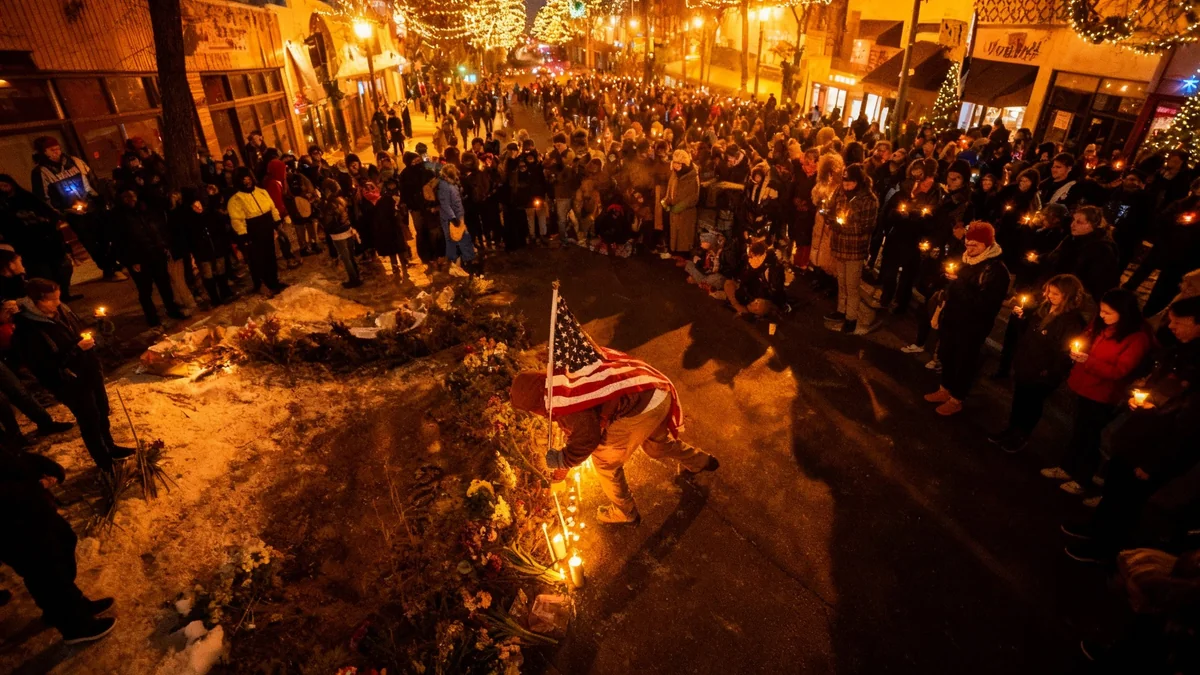

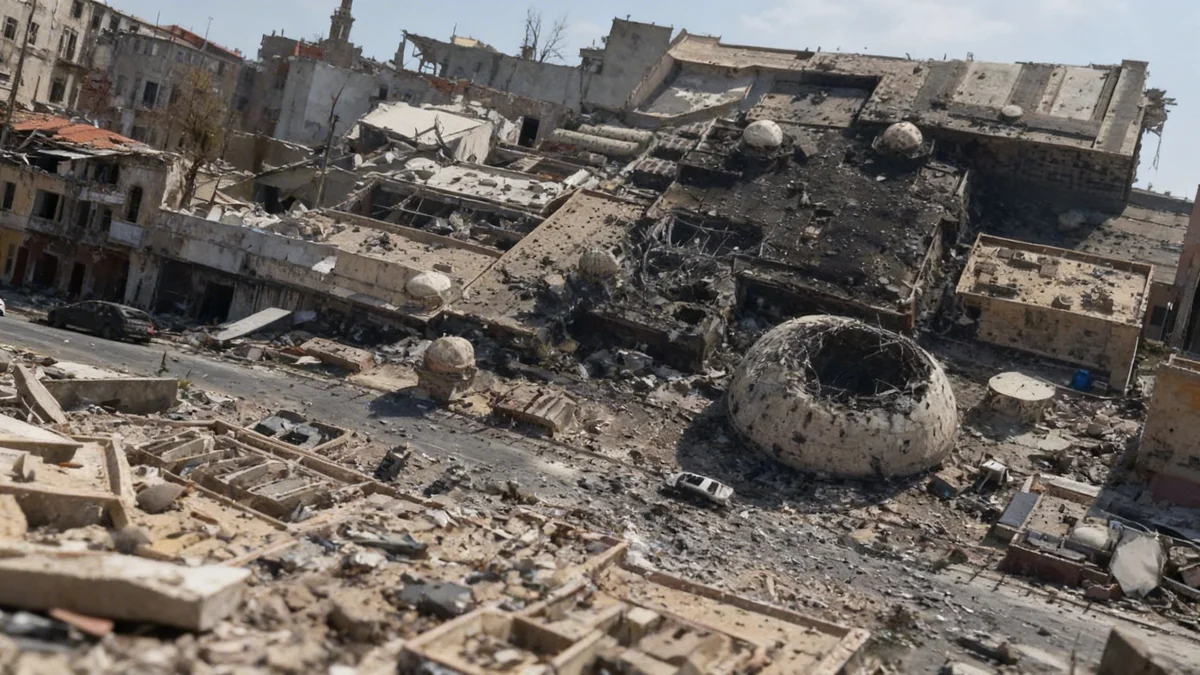

Recent protests in Minneapolis, sparked by the deaths of two individuals during interactions with law enforcement, are unfolding within a radically different information landscape than the one that existed during the 2020 George Floyd demonstrations. The widespread availability of artificial intelligence tools is now playing a significant role in shaping public perception, spreading false narratives, and eroding the shared understanding of events as they happen.
Unlike six years ago, AI-generated content is now a central feature of the online discourse surrounding the unrest. Fabricated images and false claims are circulating rapidly across social media platforms, creating a chaotic environment where distinguishing fact from fiction has become a significant challenge for the public and officials alike.
Key Takeaways
- Protests in Minneapolis are being heavily influenced by AI-generated disinformation, a factor not present in 2020.
- Synthetically created images, such as those falsely depicting public figures at the scene, are spreading quickly online.
- The current social media environment has fewer content moderation safeguards compared to six years ago, allowing false information to proliferate.
- This technological shift complicates the public's ability to access reliable information during a crisis, deepening social divisions.
A Familiar Crisis in an Unfamiliar World
Minneapolis is once again the center of national attention. The city is grappling with street demonstrations and political fallout following the deaths of two protesters at the hands of law enforcement. The events have drawn immediate comparisons to the 2020 protests that followed the killing of George Floyd, which also originated in this city.
However, the similarities largely end with the location and the initial cause of the unrest. The ecosystem in which information spreads has undergone a fundamental transformation. In 2020, the primary challenge was the speed of information on platforms like Twitter and Facebook. Today, the challenge is the authenticity of that information.
Then and Now: The Information Shift
In 2020, generative AI tools were largely confined to research labs. Public discourse was shaped by user-generated videos and eyewitness accounts, with debates centered on interpretation. In 2026, generative AI like Google's Gemini and other models are accessible to anyone with an internet connection, allowing for the creation of highly realistic but entirely fake content.
The Weaponization of Artificial Intelligence
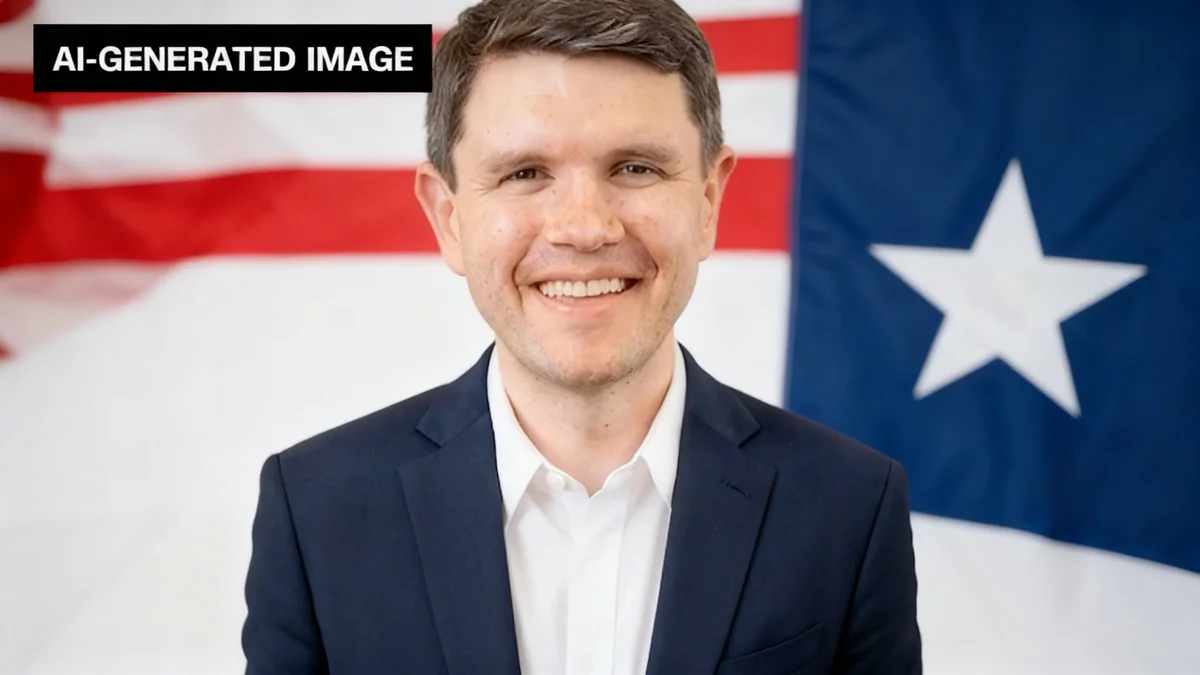
The most alarming development in the current crisis is the deliberate use of AI to create and disseminate propaganda. Within hours of the initial events, artificially generated images began to appear online. One prominent example involved a series of fake images that appeared to show Representative Ilhan Omar with an individual who allegedly attacked her during the unrest.
These images were quickly identified as fabrications created with AI image generators. Despite this, they were shared thousands of times across various social media platforms, often presented as genuine evidence. This tactic aims not just to mislead, but to inflame tensions and discredit public figures.
45% Increase: Studies show that the volume of verifiably false or synthetic content related to political events has increased by an estimated 45% since 2022, coinciding with the public release of advanced generative AI models.
This new reality means that every piece of visual information must be treated with skepticism. The ease of creating such fakes has outpaced the development of tools to detect them, leaving the public vulnerable to manipulation.
A More Toxic Digital Environment
The proliferation of AI-generated fakes is compounded by significant changes in the social media landscape itself. Since 2020, major platforms have scaled back their content moderation efforts. Teams responsible for identifying and removing disinformation have been reduced, and policies have been relaxed.
This has created a fertile ground for malicious actors to operate with greater impunity. False narratives, whether created by AI or simply fabricated text, can now achieve viral reach before platforms can effectively intervene, if they intervene at all.
"We are witnessing the erosion of a shared reality in real time. In 2020, we argued over the meaning of a video everyone saw. Today, we argue over whether the video itself is even real."
The result is an online environment that is more polarized and toxic than ever before. Instead of fostering discussion, social media platforms have become battlegrounds for competing, often entirely fabricated, versions of reality.
The Challenge of Trust
The ultimate casualty in this new information war is public trust. When people cannot be sure if the images and videos they see are real, their trust in media, government, and even their own judgment begins to decay.
This creates a dangerous vacuum where emotional appeals and conspiracy theories can take the place of factual reporting. The crisis in Minneapolis is not just a story about protests and policing; it is a case study in how advanced technology can be used to undermine the very foundations of a functional society.
As events continue to unfold, the challenge for citizens and journalists is no longer just to find the facts, but to verify the reality of the content they consume. The events of February 2026 in Minneapolis demonstrate that this is the new, unavoidable front line in the fight for truth.