

The 56th World Economic Forum has convened in Davos, Switzerland, drawing a record crowd of approximately 3,000 attendees from 130 countries. While the official agenda includes topics like climate change and healthcare, the event's atmosphere and main attractions are overwhelmingly shaped by the technology sector, particularly the boom in artificial intelligence.
This shift in focus occurs amid significant geopolitical friction, as European leaders prepare for the arrival of President Trump and address his administration's threats concerning Greenland. The convergence of tech euphoria and political strain is redefining the annual gathering of the world's elite.
Key Takeaways
- Artificial intelligence and major technology companies are the dominant presence at this year's World Economic Forum in Davos.
- Traditional themes like gender equity and refugee aid have been largely overshadowed by tech-focused events and corporate branding.
- Political tensions are high, with European leaders publicly opposing President Trump's threatened actions regarding Greenland.
- The forum's character appears to be shifting from a platform for global problem-solving to a high-stakes business conference.
The New Face of Davos: AI Takes Center Stage
Walking through the main promenade of the Swiss alpine village, the transformation is unmistakable. Storefronts once occupied by smaller delegations are now lavish headquarters and hospitality centers for global technology and consulting brands. Companies like Meta, Salesforce, and Tata have a major presence, alongside massive installations from nations like Qatar and the United Arab Emirates advertising their business-friendly environments.
The most significant crowds, however, are flocking to events centered on artificial intelligence. Before the forum officially began, long lines formed outside venues like the AI House and forums discussing AI's role in cybersecurity. These gatherings have become the week's most sought-after invitations, complete with neon-lit cocktail hours and celebrity performers.
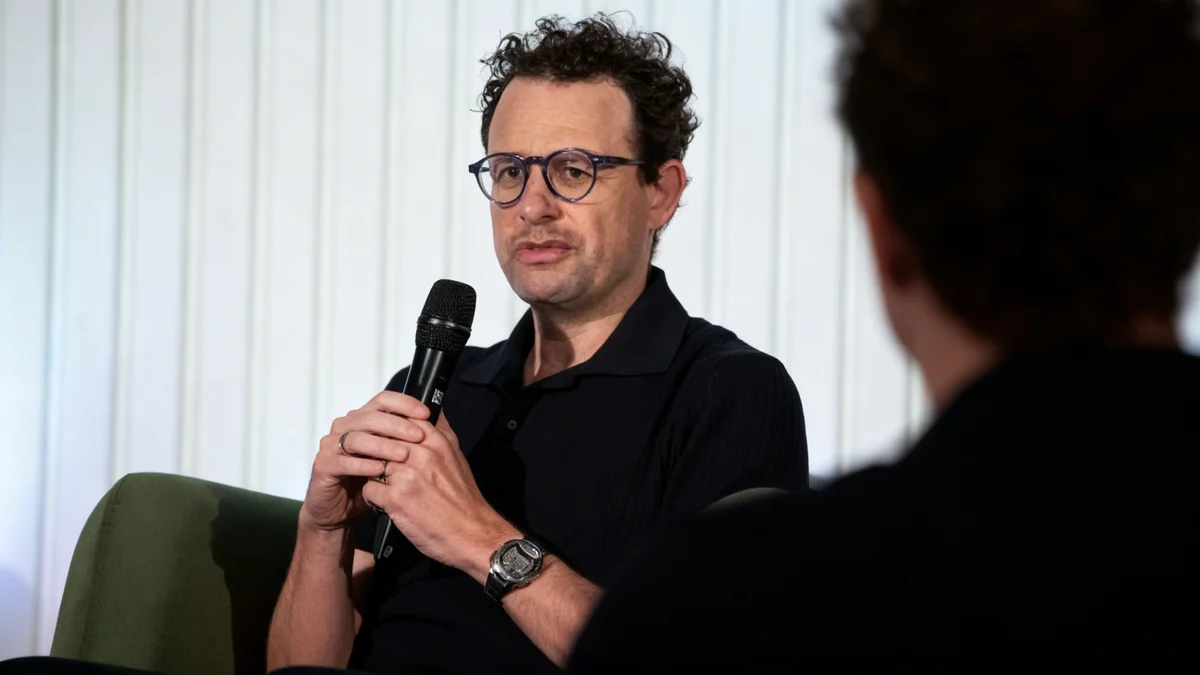
Daniel Newman, chief executive of the Futurum Group, a technology consultancy, captured the prevailing sentiment at a packed event his firm co-hosted. He described the current era as an "exponential time" for technology.
"Great technology can feel like magic," Newman stated. "This is the fastest technological gigacycle in history."
This enthusiasm for AI's potential stands in stark contrast to the quieter, less-attended sessions on other global issues. An initiative launched by the Indian government to promote women's health and education, the Alliance for Global Good-Gender Equity and Equality, sat mostly unnoticed just down the street from the bustling tech lounges.
A Shift in Priorities
For decades, the World Economic Forum was promoted as a venue where leaders from government, business, and civil society would collaborate on humanity's greatest challenges. Critics have long argued it was primarily a business networking event, but this year, that commercial focus is more pronounced than ever.
Transatlantic Tensions Simmer Over Greenland
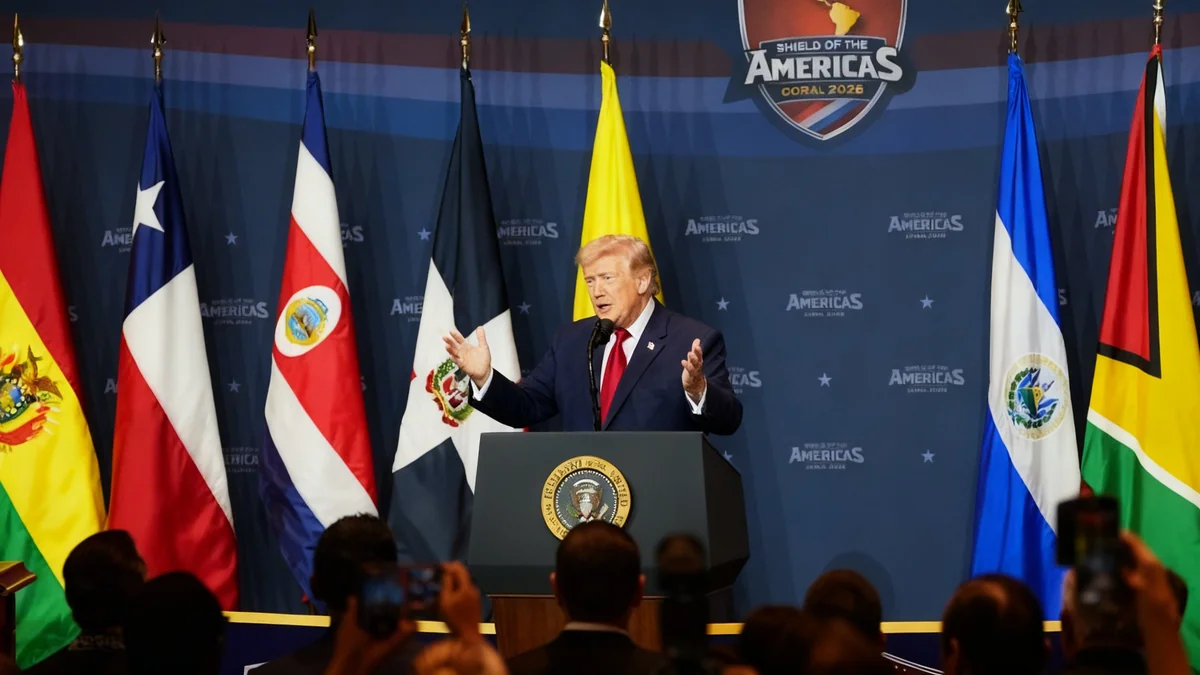
While technology dominates the commercial side of Davos, a serious political drama is unfolding in the background. Anticipation is high for the arrival of President Trump, whose administration has signaled potential actions against Greenland, including punitive tariffs, to advance its interests.
European leaders have presented a united front in opposition. European Commission President Ursula von der Leyen used her keynote address to issue a direct warning to the Trump administration.
"Our response will be unflinching, united and proportional," she declared, urging against the implementation of tariffs.
Christine Lagarde, president of the European Central Bank, also expressed confidence that Europe would remain firm in its stance. In smaller, more secluded meetings, European diplomats and activists discussed the gravity of the situation, with some comparing the current political climate to the instability of the 1930s.
Sandrine Dixson-Declève, global ambassador for the Club of Rome, emphasized the need to defend core principles. "This is about guarding, holding on to human values," she said, adding that she hears her grandfather's voice in her head: "'Do not forget history.'"
Meanwhile, the U.S. delegation is working to manage the fallout. U.S. Treasury Secretary Scott Bessent said he planned to meet with international CEOs to advise them to remain calm.
"Take a deep breath and let this play out," Bessent advised. "Do not listen to the media hysteria."
A Shift From Policy to Profit
The dual tracks of tech optimism and political tension highlight a fundamental change in the forum's identity. Longtime attendees have noted a distinct move away from the traditional model where non-governmental organizations and policymakers set the agenda.
Record Attendance
This year's forum is the largest in its 56-year history, with around 3,000 official participants from 130 different countries. The influx has led to severe traffic congestion and heightened security measures throughout the village.
Karen Harris, a managing director at Bain & Company who has attended since 2018, observed a significant change. "That doesn't feel like the agenda anymore," she said, referring to the idea of advising leaders on elevating humanity. "Certainly the agenda and who's heroicized feels different."
Many in the tech sector see the political climate under President Trump not as a threat, but as a business opportunity. The focus on deregulation and pro-business policies resonates with executives aiming to maximize shareholder value.
According to Newman, tech executives who once prioritized topics like diversity and climate sustainability have now adopted a different tone, mirroring the American president's focus. He believes CEOs will welcome Trump's presence at Davos.
"Most of these C.E.O.s are focused on nurturing values for their shareholders," Newman explained. "They have grown bullish that he'll move policy, cut through the red tape... Part of being a great C.E.O. is being a chameleon. Trump is the most influential voice in the world right now. These C.E.O.s are pleased to be in an environment that's largely right for business."
As the forum continues, the world watches to see if the high-minded ideals of global cooperation can find a voice amid the powerful currents of technological disruption and transactional politics.