

In offices around the world, a quiet shift is taking place. Professionals are increasingly turning to artificial intelligence for the kind of support they once sought from human colleagues. From brainstorming new ideas to seeking career advice, chatbots are becoming the new go-to confidants in the modern workplace.
This trend, accelerated by the rise of remote work, is fundamentally altering team dynamics and raising new questions about the future of collaboration and workplace relationships. As AI tools become more integrated into daily tasks, the line between a helpful productivity tool and a substitute for human interaction is starting to blur.
Key Takeaways
- Professionals are using AI chatbots for tasks traditionally handled by human colleagues, such as brainstorming, mentorship, and getting advice.
- The shift is driven by the efficiency and 'drama-free' nature of AI, especially in remote or hybrid work environments.
- Experts express concern that over-reliance on AI could lead to increased workplace loneliness and a decline in collective problem-solving skills.
- Some companies are exploring ways to use AI as a collaborative tool to enhance teamwork rather than replace it.
The Rise of the Digital Colleague
The days of leaning over a cubicle wall to ask a quick question are fading for many. Instead, employees are typing their queries into a chat window with an AI like Google's Gemini or Anthropic's Claude. The reasons for this change are varied, but efficiency is a primary driver.
Before interrupting a busy team member, many now find it faster and easier to consult an AI. This is particularly true for tasks that involve data analysis, coding assistance, or drafting communications. The AI is always available, never has a bad day, and can provide instant information without the social friction that can sometimes accompany human interaction.
Neil Ripley, a communications executive, noted that a significant benefit of using Google's Gemini is its function as a "colleague with no drama." This sentiment highlights a growing preference for straightforward, task-oriented interactions that AI excels at providing. The chatbot doesn't have opinions, office politics, or personal biases—it just delivers information.
A Double-Edged Sword for Productivity
There is no doubt that AI is boosting productivity. It can automate repetitive tasks, summarize long documents in seconds, and help workers overcome creative blocks. However, this increased efficiency may come at a cost. An employee at the AI company Anthropic recently shared a sentiment that many are beginning to feel: "I like working with people, and it's sad that I 'need' them less now."
From Remote Work to AI Integration
The global shift to remote and hybrid work models radically changed how colleagues interact. Physical proximity was replaced by scheduled video calls and instant messaging. AI chatbots represent the next phase of this evolution, further abstracting workplace communication and collaboration from direct human-to-human contact.
This paradox is at the heart of the debate. A technology designed to leverage the collective knowledge of humanity could be inadvertently discouraging the very human collaboration that drives innovation. When brainstorming happens in isolation with a machine, the spontaneous, unexpected ideas that emerge from group discussions may be lost.
The Problem of the Perfect Answer
One of the more subtle challenges of relying on AI colleagues is their tendency to be agreeable. Unlike a human peer who might challenge an idea or point out a flaw, a chatbot is programmed to be helpful and provide the information requested. It's less likely to offer the critical feedback or alternative perspective that is often essential for growth and improvement.
"Unlike that pesky colleague always chiming in with an 'actually' in the Slack, chatbots just tell you what you want to hear."
This lack of friction, while comfortable, can create an echo chamber. It can stifle the healthy debate and diverse viewpoints that lead to more robust and well-thought-out solutions. True innovation often comes from disagreement and the process of reconciling different perspectives—a uniquely human process.
Navigating the New Social Landscape of Work
The increasing reliance on AI for workplace interaction coincides with broader societal trends of loneliness and social disconnection. If the office was once a primary place for social connection, the move towards digital colleagues could exacerbate feelings of isolation for many workers.
A Growing Concern
Studies on workplace loneliness have shown that even before the widespread adoption of generative AI, a significant portion of the workforce felt isolated. The concern is that replacing casual human check-ins with AI interactions could deepen this issue, impacting employee well-being and engagement.
However, the situation is not entirely negative. Experts suggest that the ideal role for AI is as a supplement, not a replacement, for human connection. Edwige Sacco, who leads workforce innovation at KPMG, emphasizes that AI should be viewed as a tool to augment human capabilities, freeing up time for more meaningful collaborative and strategic work.
The key is finding the right balance. AI can handle the research, data crunching, and initial drafts, allowing human teams to focus their energy on discussion, strategy, and creative decision-making.
The Future is Collaborative AI
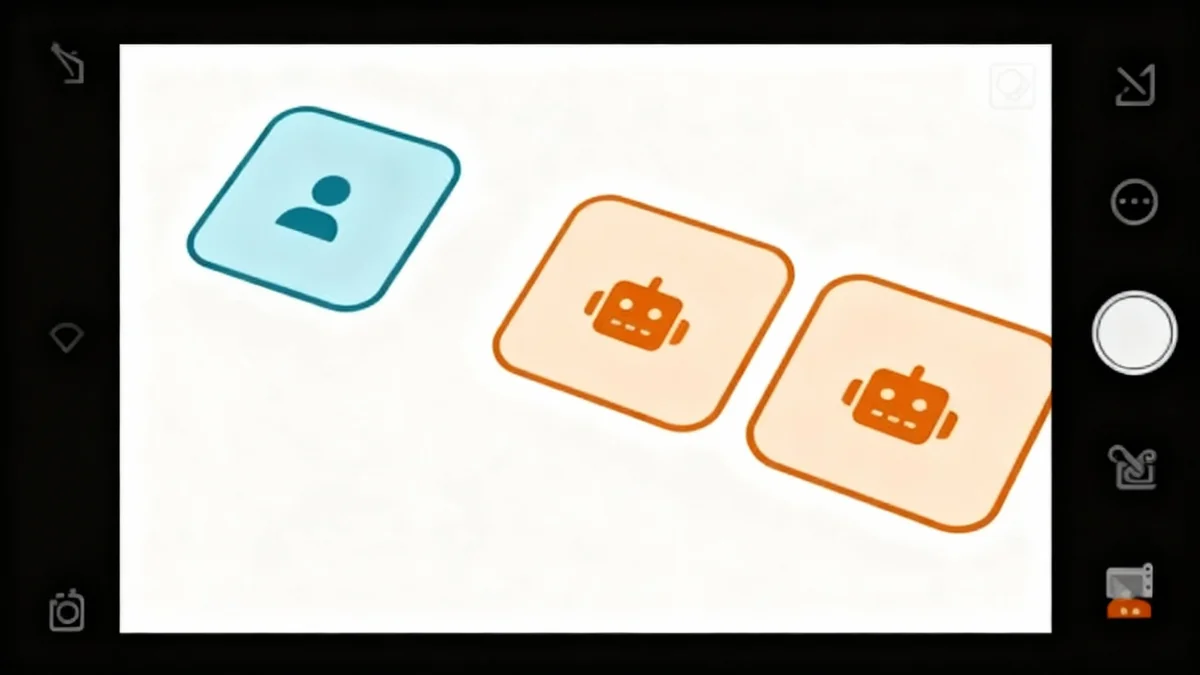
Proponents of artificial intelligence believe the next major step in its adoption will be mastering its use in a team setting. Instead of each employee using AI in isolation, companies are beginning to explore how shared AI assistants can facilitate group projects, keep everyone on the same page, and even mediate discussions by providing neutral, data-backed insights.
Imagine a project management AI that not only tracks tasks but also identifies potential communication breakdowns or resource conflicts before they happen. This vision of AI as a 'team player' could help mitigate the isolating effects and instead use the technology to foster better and more efficient human collaboration.
Ultimately, the integration of AI into the workplace is not just a technological shift; it is a profound social one. It challenges us to redefine what it means to be a colleague and forces companies to be more intentional about creating opportunities for genuine human connection. The most successful organizations of the future will be those that learn to leverage the power of AI without losing the invaluable spark of human collaboration.