

Microsoft is reportedly preparing to launch Windows 12 later this year, introducing a major shift towards artificial intelligence and a modular operating system design. This new iteration of Windows is expected to integrate AI as a core experience, moving beyond its current supplementary role. However, this advancement comes with a significant hardware requirement: a dedicated Neural Processing Unit (NPU), which could prevent millions of existing PC users from upgrading.
The projected release of Windows 12 coincides with the end of support for Windows 10, signaling a strategic move by Microsoft to push AI adoption across its vast user base. This transition marks a pivotal moment for the Windows ecosystem, emphasizing customization and advanced AI capabilities, but also raising questions about accessibility and hardware compatibility.
Key Takeaways
- Windows 12 is anticipated to launch this year, focusing heavily on AI integration.
- The new operating system will feature a modular design, allowing users to add or remove components.
- A dedicated NPU will be a mandatory hardware requirement for Windows 12.
- This NPU requirement may exclude millions of current PC users from upgrading.
- Some advanced AI services within Windows 12 could be part of a subscription model.
AI at the Core of the New Windows Experience
Microsoft's strategic shift to an AI-first operating model is clearly evident in the reported plans for Windows 12. Artificial intelligence will not just be an added feature but a fundamental component of the software, deeply embedded into the user experience.
The company's AI assistant, Copilot, which has been increasingly integrated across various Microsoft products, is expected to become an indispensable part of the next Windows version. This means AI will play a central role in how users interact with their computers daily.
"Microsoft is seemingly taking advantage of the situation, forcing AI adoption on users by making it a part of the Windows experience."
This aggressive push for AI integration suggests Microsoft aims to redefine personal computing, making intelligent assistance and automated tasks a standard rather than an option.
Did You Know?
Windows is the most widely used operating system globally, holding a significant share of the desktop OS market.
Modular Design for Enhanced Customization
One of the most anticipated features of Windows 12 is its modular architecture, codenamed 'CorePC'. This project, under development for several years, promises to allow users to add or remove various operating system components.
This flexibility aims to provide a highly customizable Windows experience, allowing for tailored builds. Users could configure their OS for specific purposes, such as a lightweight system for basic tasks or a gaming-prioritized setup with optimized components.
The modularity is expected to make Windows 12 more adaptive than any previous version. It offers the potential for a more streamlined and efficient operating system, as users can shed unnecessary features that consume system resources.
CorePC Architecture
CorePC is Microsoft's long-term project to create a more flexible and customizable Windows operating system. It allows for a modular approach, where components can be added or removed based on specific device needs or user preferences. This contrasts with traditional monolithic OS designs.
New Hardware Barrier: The NPU Requirement
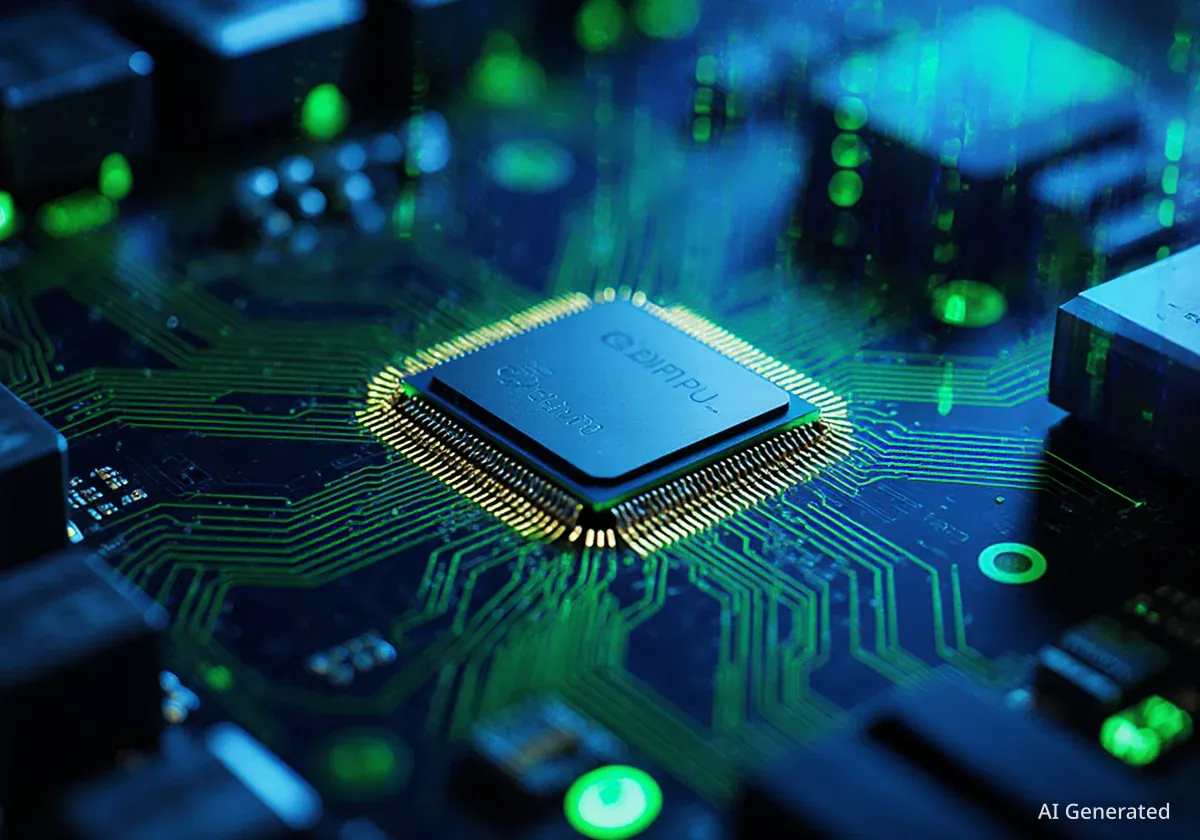
While Windows 12 promises innovation, it introduces a significant hurdle for many users: a mandatory Neural Processing Unit (NPU). An NPU is a specialized processor designed specifically for handling AI tasks efficiently.
This hardware requirement mirrors the TPM 2.0 requirement introduced with Windows 11, which also locked out many older systems. NPUs are still relatively new and are not yet standard in all personal computers, especially older models.
The need for a dedicated NPU means that millions of current PC owners might not be able to upgrade to Windows 12, even if their other specifications meet the criteria. This could create a divide between 'AI PCs' and older machines.
Impact on Users
- Exclusion: Many users with older hardware will be unable to install Windows 12.
- Upgrade Costs: Those wishing to upgrade may need to purchase new, NPU-equipped hardware.
- Extended Support: Fortunately, Windows 11 will continue to receive support for several more years, providing a grace period for users who cannot immediately upgrade.
Visual Enhancements and Potential Subscription Model
Beyond its functional changes, Windows 12 is also expected to feature a significant visual overhaul. Reports suggest a new visual layout that includes transparent glass elements and a floating taskbar, aiming for a more modern and aesthetically pleasing interface.
However, some advanced AI services within the new operating system might be gated behind a subscription model. This could mean that access to certain premium AI features or capabilities would require ongoing payments, adding another layer of cost for users.
This approach highlights a growing trend in the software industry to offer advanced features through subscriptions, ensuring recurring revenue streams for developers.
Visual Changes
Expected visual updates include transparent glass elements and a floating taskbar, aiming for a fresh, modern appearance.
The Future of Windows and AI Integration
The upcoming release of Windows 12 represents a bold step by Microsoft into an AI-centric computing future. The company envisions a world where AI companions live alongside people, assisting with various tasks and interactions.
This vision, projected to materialize in roughly five years, positions Windows 12 as a foundational platform for such advanced AI experiences. The operating system's design and hardware requirements are a direct reflection of this long-term strategy.
As technology continues to evolve, the integration of AI into core operating systems like Windows will likely reshape how individuals interact with their devices and the digital world around them. The NPU requirement is a clear indicator of the hardware foundation needed for this future.