



Several key technological advancements are redefining industries from consumer electronics to manufacturing and domestic assistance. These innovations include a new low-power chip for on-device AI, a humanoid robot designed for household tasks, and a compact UV printer that brings industrial capabilities into the home.
Each of these developments addresses a specific challenge, whether it is the high energy consumption of artificial intelligence, the complexity of automating physical labor, or the accessibility of advanced manufacturing techniques. Together, they signal a shift towards more powerful, efficient, and personalized technology.
Key Takeaways
- Ambiq's SPOT chip enables energy-efficient AI processing directly on devices, extending battery life.
- Figure AI is developing the Figure 03, a humanoid robot intended to perform tasks in commercial and home environments.
- EufyMake has launched the E1, a compact UV printer that makes industrial-quality 3D texture printing accessible to consumers.
Solving AI's Energy Problem with Efficient Chips
Artificial intelligence systems are known for their significant power requirements, which poses a major constraint for battery-powered devices. The high energy demand often forces manufacturers to compromise between including advanced AI features and maintaining reasonable battery life.
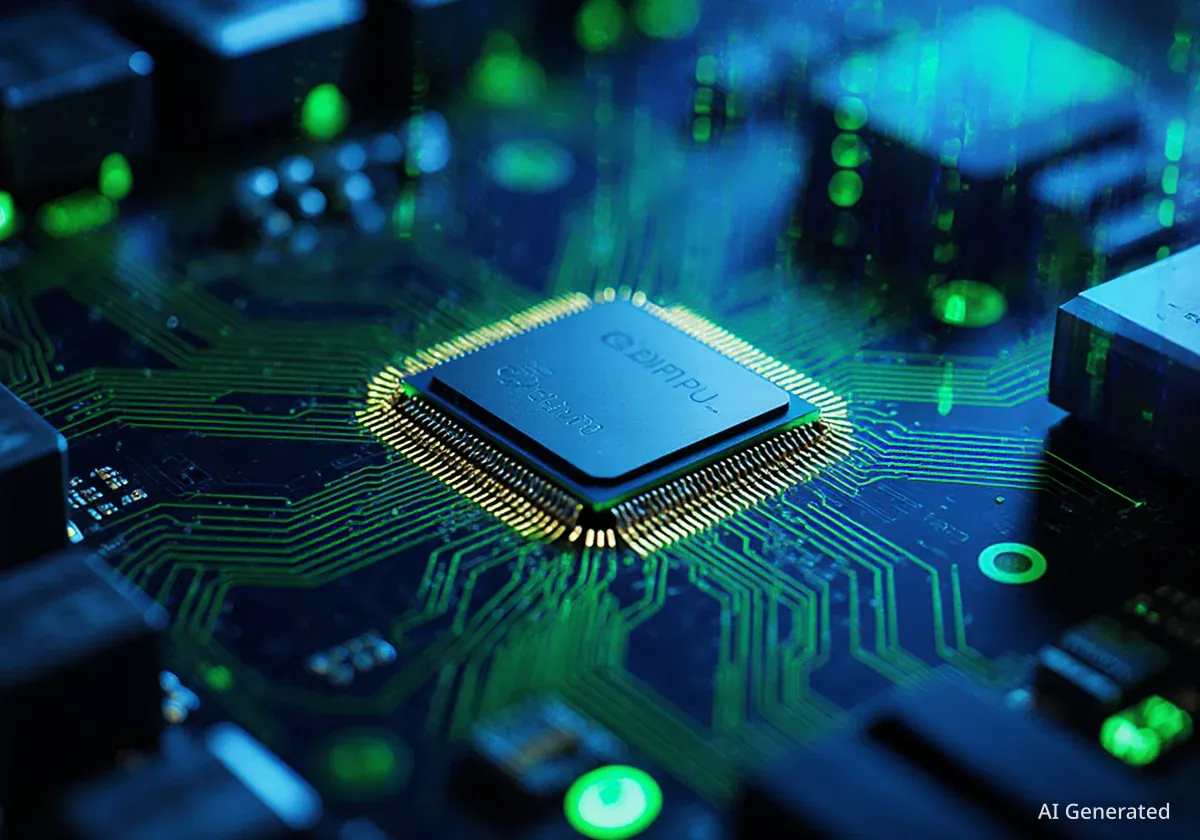
Ambiq, a technology company, has developed a solution to address this issue. Their proprietary chip design, known as Sub-threshold Power Optimized Technology (SPOT), is engineered to significantly reduce the energy consumed by AI processes.
The SPOT platform allows AI inferencing to occur locally on the device itself, eliminating the need to connect to the cloud for processing. This on-device approach not only conserves power but also enhances speed and privacy by keeping data local.
"We help [device manufacturers] do things they weren't able to do before," stated Charlene Wan, Ambiq’s VP of branding, marketing, and investor relations, highlighting the new capabilities unlocked by their technology.
Widespread Adoption
To date, Ambiq's energy-efficient chips have been integrated into 280 million commercial devices. Notable products using this technology include smartwatches from leading brands like Garmin and Xiaomi.
The company's success in the market has been substantial, and it announced plans to go public in July 2025, signaling confidence in its future growth and the demand for low-power AI hardware.
The Rise of Humanoid Robots in Daily Life
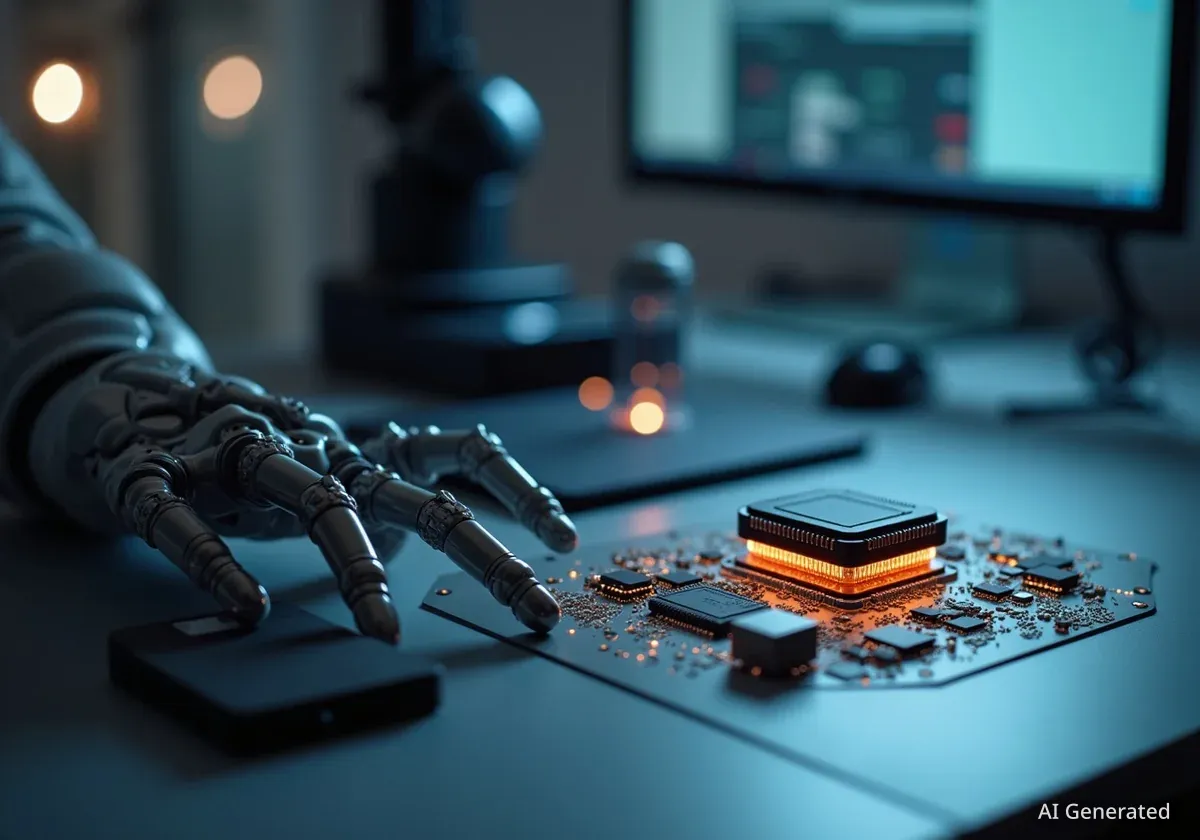
The field of robotics is advancing toward creating machines that can operate in human environments and perform a variety of tasks. Figure AI, a prominent company in this space, is developing a humanoid robot named Figure 03 with the ambitious goal of integrating these bots into the global economy.
Figure AI's vision extends from industrial settings to private homes. The Figure 03 robot is designed to mimic the human form, which allows it to use tools and navigate spaces built for people. This design principle is central to its potential for widespread application.
Upon its debut in October, the robot demonstrated its ability to perform some domestic chores, such as folding clothes and placing items in a dishwasher. However, its current capabilities still require human supervision and assistance for complex situations or error recovery.
Training the Next Generation of Robots
To enhance the robot's autonomy, Figure AI has initiated a large-scale data collection effort. This data is used to train the robot's Helix neural network, which is the AI brain that controls its actions. The goal is to teach the robot to complete a wider range of tasks without human help.
CEO Brett Adcock draws a parallel between the current state of robotics and the early stages of digital AI, suggesting that rapid advancements and significant leaps in capability are on the horizon. Adcock aims to deploy Figure 03 robots in a limited number of homes as early as next year to continue its development in real-world settings.
Bringing Industrial Printing Technology Home
UV printing is a process that uses ultraviolet light to instantly cure or dry specialized ink on a wide variety of surfaces. This technique allows for printing on materials that are typically difficult for standard printers, including metal, wood, glass, and acrylic.
Previously, this technology was complex and expensive, confining it to industrial manufacturing facilities. However, a highly successful crowdfunding campaign has changed the landscape, making UV printing accessible to a much broader audience.
EufyMake, a brand owned by Anker Innovations, raised nearly $47 million to fund the development of the world's first UV printer designed for home use. The resulting product, the E1, is a significant departure from its industrial predecessors.
Compact Design and Versatile Materials
The E1 printer is approximately 90% smaller than traditional UV printers, making it suitable for a desktop or small workshop. Despite its size, it retains impressive capabilities, including the ability to print 3D textures on over 300 different materials.
To support creativity, the product gives users access to millions of design templates that can be customized. This feature lowers the barrier to entry for individuals who may not have advanced design skills.
"The E1 enables hobbyists, small business owners, and entrepreneurs to personalize everyday items or even launch side ventures," said Frank Zhu of Anker Innovations. This highlights the printer's potential to empower small-scale creators and businesses.
The development of the E1 represents a key moment in the democratization of advanced manufacturing technology, moving powerful customization tools from the factory floor directly into the hands of consumers and small entrepreneurs.