


YouTube has permanently terminated two prominent channels, Screen Culture and KH Studio, which collectively amassed over two million subscribers and more than a billion views by creating and distributing AI-generated fake movie trailers. The video platform took action after the channels repeatedly violated its policies on spam and misleading metadata, deceiving viewers about the authenticity of their content.
Key Takeaways
- YouTube terminated Screen Culture and KH Studio for violating spam and misleading content policies.
- The channels had a combined total of over 2 million subscribers and more than one billion views.
- They used artificial intelligence and official footage to create deceptive trailers for highly anticipated movies.
- The termination follows a history of warnings, demonetization, and a failure to maintain disclaimers on their videos.
Platform Enforces Policies on Misleading Content
The decision to remove Screen Culture and KH Studio marks a significant enforcement action by the Google-owned platform against the growing trend of deceptive AI-generated media. Visitors to the former channel pages are now met with a message stating, "This page isn’t available."
The core issue centered on the channels' failure to clearly label their content as fan-made concepts. By presenting these videos as official trailers, they violated YouTube's policies designed to protect users from deceptive practices. The channels, based in India and Georgia respectively, had become masters at capturing audience attention for films that were years away from release.
A Pattern of Violation
This was not the first time the channels faced penalties. Earlier this year, YouTube suspended advertisements on both Screen Culture and KH Studio following an investigation into their practices. They were later allowed to monetize their content again after adding labels such as "fan trailer" and "concept trailer" to their video titles and descriptions.
However, these disclaimers reportedly disappeared in recent months. The channels reverted to their original behavior, prompting YouTube to take the final step of termination for repeated policy violations.
The Strategy Behind the Deception
The creators behind these channels developed a sophisticated strategy to exploit YouTube's algorithm and viewer anticipation. By combining official footage from existing films with newly created AI-generated images, they produced highly convincing trailers for upcoming blockbusters.
Nikhil P. Chaudhari, the founder of Screen Culture, previously explained that his team of a dozen editors focused on being first to market with these fake trailers. They would create and upload numerous versions of a trailer for a single film to maximize their reach and search ranking.
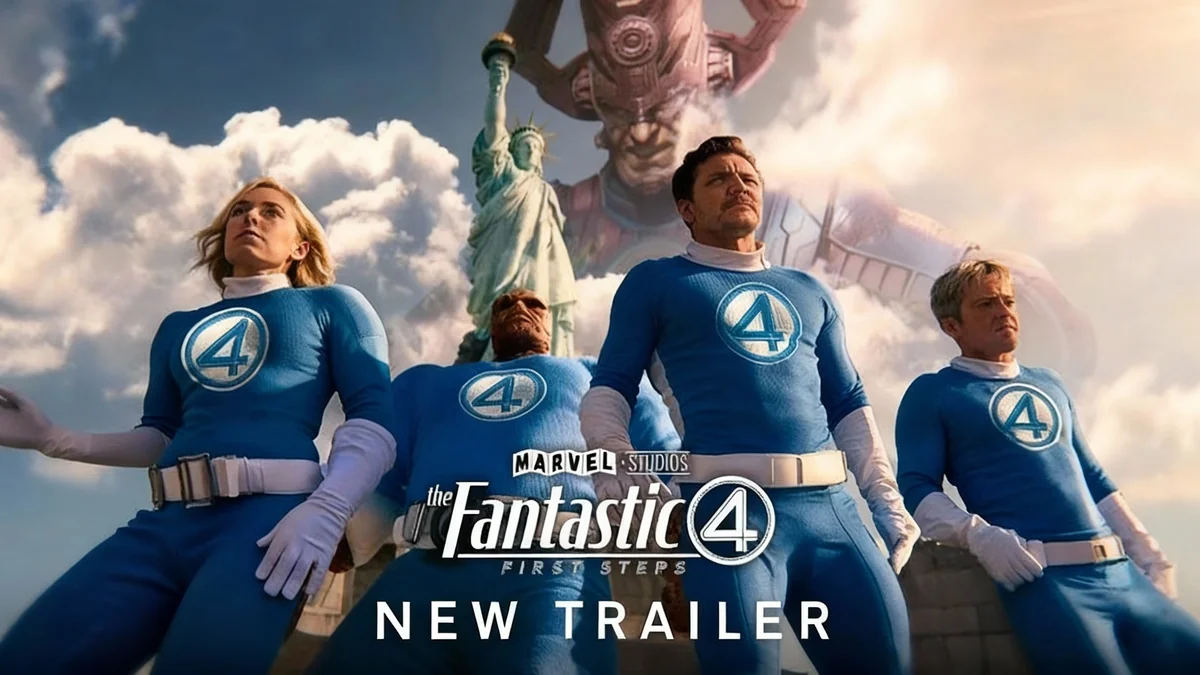
For the upcoming movie The Fantastic Four: First Steps, Screen Culture had reportedly created 23 different versions of a concept trailer by March of this year. Some of these fan-made videos even outranked official studio content in YouTube's search results.
This high-volume approach ensured their content was constantly visible, drawing in millions of viewers who believed they were watching legitimate previews for movies like HBO's new Harry Potter series or Netflix's Wednesday.
A Complex Industry Response
The proliferation of AI-generated content has created a complicated situation for Hollywood studios. While some viewers expressed frustration over being misled, the response from copyright holders has been mixed. Investigations revealed that instead of issuing takedown notices, some major studios, including Warner Bros. Discovery and Sony, reportedly requested that YouTube direct the advertising revenue from these videos to them.
"The monster was defeated," one YouTuber commented on the channels' termination, reflecting the sentiment within the creator community that such practices harm legitimate fan creators and mislead audiences.
Not all studios have taken this approach. The Walt Disney Company, whose properties were frequently featured in the fake trailers, recently sent a cease-and-desist letter to Google. The letter claims that the tech giant's AI training models and services infringe upon Disney's copyrights on a "massive scale."
The termination of Screen Culture and KH Studio highlights the ongoing challenge platforms face in moderating AI-generated content. As the technology becomes more accessible, the line between fan creativity and deliberate deception continues to blur, forcing companies like YouTube to refine and enforce their policies more strictly.