

Israeli Prime Minister Benjamin Netanyahu has publicly endorsed former U.S. President Donald Trump for the Nobel Peace Prize, using an AI-generated image to underscore his message. The post appeared on the social media platform X shortly after the announcement of a significant ceasefire and hostage-release agreement in Gaza.
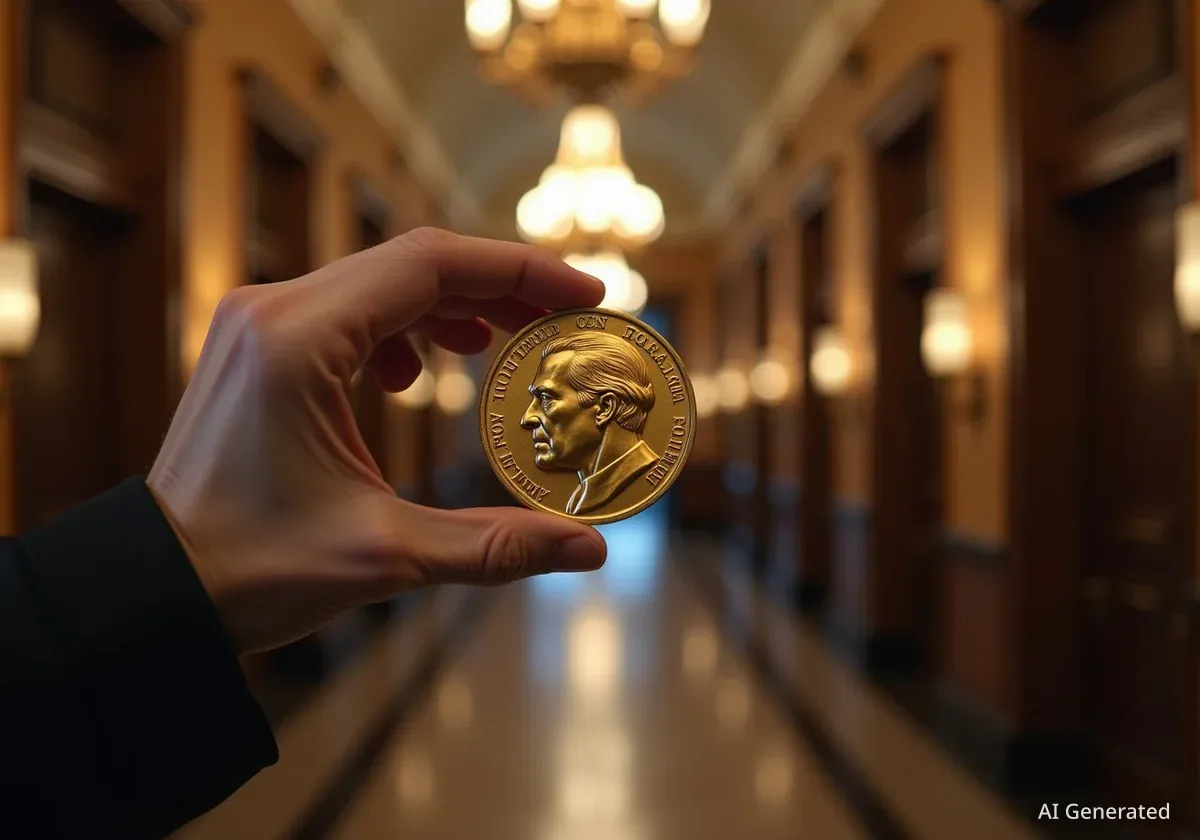
The digitally created picture shows Donald Trump wearing a Nobel Prize medal. Netanyahu's accompanying text was direct, stating, “Give Donald Trump the Nobel Peace Prize – he deserves it!” This public statement renews Netanyahu's previous support for Trump's candidacy for the prestigious award.
Key Takeaways
- Prime Minister Benjamin Netanyahu posted an AI-generated image of Donald Trump with a Nobel Prize medal on social media.
- The post included a direct call for Trump to be awarded the Nobel Peace Prize.
- This endorsement was made on October 9, 2025, following the announcement of a ceasefire and hostage-release deal in Gaza.
- Netanyahu has previously nominated Trump for the prize, citing his role in past peace agreements.
Details of the Social Media Post
On Thursday afternoon, Prime Minister Netanyahu utilized his official account on the social media platform X to share his endorsement. The central element of the post was a photorealistic, AI-generated image. The image depicted former U.S. President Donald Trump smiling, with a Nobel Prize medal prominently displayed around his neck. The quality of the image suggests it was created using advanced generative artificial intelligence technology, a tool increasingly used in political communication.
The message accompanying the image was concise and unambiguous. Netanyahu wrote, “Give Donald Trump the Nobel Peace Prize – he deserves it!” The post quickly gained attention, being shared and commented on by followers and political observers worldwide. The timing of the post is considered highly significant by analysts, as it came just hours after a major diplomatic breakthrough was announced.
The Gaza Ceasefire Agreement
The backdrop for Netanyahu's post is the newly brokered ceasefire and hostage-release deal concerning the conflict in Gaza. Announced on the morning of October 9, 2025, the agreement represents a critical step in de-escalating hostilities. The deal, which involves the release of hostages, has been met with a mix of relief and cautious optimism in the region. Public gatherings, including celebratory dancing at Hostages Square in Tel Aviv, were reported following the news.
A History of Nobel Prize Support
This is not the first instance of Prime Minister Netanyahu advocating for Donald Trump to receive the Nobel Peace Prize. He has previously nominated the former U.S. president for the award, a move that highlighted the close diplomatic relationship between the two leaders during Trump's term in office. Trump himself has openly expressed his desire to win the prize, often comparing his foreign policy achievements to those of past laureates.
Past nominations were often linked to the Abraham Accords, a series of normalization agreements between Israel and several Arab nations, including the United Arab Emirates, Bahrain, Sudan, and Morocco. These agreements, brokered by the Trump administration, were seen as historic diplomatic achievements that reshaped political alliances in the Middle East. Supporters argued that these accords were worthy of Nobel recognition.
“Give Donald Trump the Nobel Peace Prize – he deserves it!” - Benjamin Netanyahu, via social media platform X.
Netanyahu's consistent support for Trump's Nobel candidacy reflects a long-standing political alignment. The latest endorsement serves as a reminder of that relationship, particularly in the context of a new, significant peace-related development in the region.
The Use of AI in Political Messaging
The choice to use an AI-generated image is a notable aspect of Netanyahu's recent post. The use of artificial intelligence to create compelling visuals has become more common in political campaigns and public statements. Such images can convey a powerful message quickly and effectively, often with more emotional impact than text alone. In this case, the image visually represents the outcome Netanyahu is advocating for.
Advantages and Risks
Political strategists note that AI imagery offers a way to control a narrative and create a strong, shareable piece of content. It allows leaders to craft a specific visual message that can bypass traditional media channels and speak directly to their audience. The photorealistic nature of modern AI can make the depicted scenario seem more tangible and achievable.
However, the use of AI in politics also raises concerns about authenticity and the potential for misinformation. While Netanyahu's post was clearly an endorsement and not an attempt to deceive, the broader trend of using synthetic media in the political sphere is a subject of ongoing debate among technology and policy experts. The ability to create realistic but fabricated images and videos presents challenges for maintaining an informed public discourse.
Did You Know?
The Nobel Peace Prize has been awarded 104 times to 141 laureates since its inception in 1901. Nominations can be submitted by a select group of individuals, including members of national assemblies and heads of state, which is how Netanyahu was able to previously nominate Trump.
Broader Context and Reactions
Netanyahu's post comes at a moment of intense focus on the region. The successful negotiation of the Gaza ceasefire and hostage deal is a major international news story. His decision to immediately credit or associate this success with Donald Trump is a significant political statement. It may be interpreted as an effort to link the current diplomatic progress with the policies of the previous U.S. administration.
The public reaction to the announcement has been one of celebration and relief. According to reports from Tel Aviv, hundreds of people gathered in Hostages Square to dance and celebrate the news of the ceasefire and the impending return of hostages. This atmosphere of public joy provides a powerful emotional context for the political statements being made by leaders.
Simultaneously, Netanyahu's office also released photographs of American businessmen Scott Witkoff and Jared Kushner, Trump's son-in-law and former senior advisor, attending a cabinet meeting. This further reinforces the connection between the current Israeli government and figures associated with the Trump administration, highlighting their continued involvement or consultation in regional affairs. The timing of these events suggests a coordinated effort to frame the day's successes within a specific political narrative.