


A heated public exchange has erupted between two major artificial intelligence companies, OpenAI and Anthropic, over the contentious issue of integrating advertisements into AI chatbot interactions. The dispute escalated following Anthropic's new Super Bowl ad campaign, which explicitly mocks the concept of ads within AI, directly after OpenAI began testing its own ad models.
OpenAI CEO Sam Altman publicly criticized Anthropic's campaign, labeling it as "dishonest" and "authoritarian." This high-profile disagreement highlights a growing tension within the AI industry regarding business models and user experience.
Key Takeaways
- Anthropic's Super Bowl ads mock AI chatbots that feature advertising.
- OpenAI CEO Sam Altman called Anthropic's campaign "dishonest" and "authoritarian."
- OpenAI is testing banner ads in its ChatGPT service, appearing at the bottom of responses.
- The debate touches on AI business models, user trust, and market competition.
- Both companies face significant financial pressures and seek sustainable revenue streams.
Anthropic's Ad Campaign Sparks Controversy
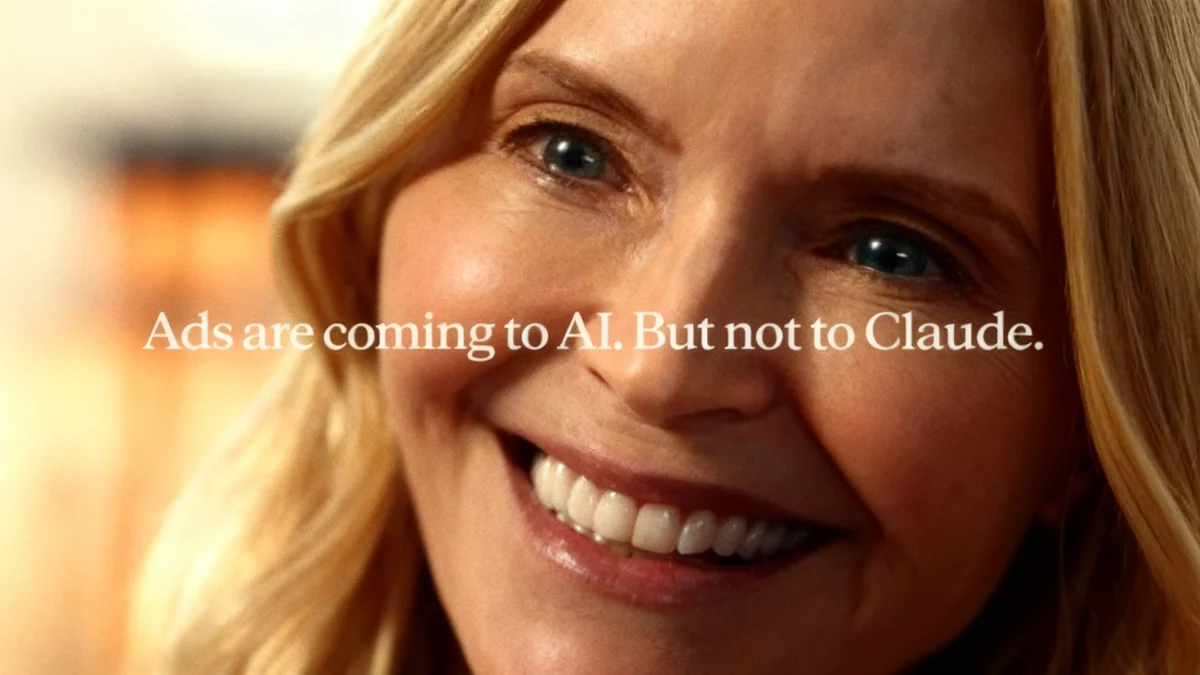
Anthropic launched a new advertising campaign, titled "A Time and a Place," featuring four commercials. Two of these spots are scheduled to air during the Super Bowl LX. The ads depict scenarios where users seek personal advice from a human stand-in for an AI chatbot, only to receive unexpected product pitches.
Each commercial opens with a strong word: "Betrayal," "Violation," "Deception," and "Treachery." They consistently conclude with the tagline, "Ads are coming to AI. But not to Claude." This direct messaging aims to differentiate Anthropic's Claude chatbot from competitors exploring ad-supported models.
Ad Campaign Details
- Campaign Name: "A Time and a Place"
- Number of Ads: Four commercials
- Super Bowl Presence: A 30-second version during Super Bowl LX, with a 60-second cut in the pregame.
- Core Message: Claude will not feature ads within chatbot conversations.
OpenAI Executives Respond Sharply
OpenAI CEO Sam Altman and Chief Marketing Officer Kate Rouch quickly took to social media to express their disapproval of Anthropic's campaign. Altman described the ads as "clearly dishonest" and accused Anthropic of being "authoritarian." He further stated that Anthropic "serves an expensive product to rich people."
"I wonder why Anthropic would go for something so clearly dishonest. We would obviously never run ads in the way Anthropic depicts them. We are not stupid and we know our users would reject that."
OpenAI's CMO, Kate Rouch, echoed similar sentiments. She posted, "Real betrayal isn’t ads. It’s control." This suggests a deeper philosophical divide between the two companies regarding the future direction and accessibility of AI technology.
The Nature of OpenAI's Ad Tests
OpenAI's executives clarify that their planned advertisements for ChatGPT will appear as labeled banners at the bottom of conversational responses. They maintain these ads will not interrupt or alter the chatbot's answers. However, OpenAI's own blog post indicates that these ads will be "conversation-specific," meaning they will display when a relevant sponsored product or service aligns with the current discussion.
Background on OpenAI's Ad Strategy
OpenAI began testing ads in a lower-cost tier of its ChatGPT chatbot just weeks before Anthropic's Super Bowl campaign. This move is part of OpenAI's broader strategy to monetize its popular AI service, as only about 5% of ChatGPT's 800 million weekly users currently pay for subscriptions.
Financial Pressures and Market Dynamics
The intense competition over ad models is set against a challenging financial backdrop for both companies. OpenAI, having secured over $1.4 trillion in infrastructure deals in 2025, anticipates burning approximately $9 billion this year. Despite generating around $13 billion in revenue, the company's operational costs are substantial.
Anthropic, while not yet profitable, relies on enterprise contracts and paid subscriptions. It has not undertaken infrastructure commitments on the same scale as OpenAI. This difference in operational scale and revenue models likely contributes to their divergent views on advertising.
Financial Snapshot
- OpenAI 2025 Infrastructure Deals: Over $1.4 trillion
- OpenAI Estimated Burn Rate (this year): Approximately $9 billion
- OpenAI Estimated Revenue (this year): About $13 billion
- ChatGPT Paid Subscribers: Approximately 5% of 800 million weekly users.
A History of Competition and Philosophical Differences
The rivalry between Anthropic and OpenAI is particularly sharp due to their shared origins. Several former OpenAI employees left the company in 2021 to establish Anthropic. This history fuels an already competitive landscape.
Anthropic's Claude Code has gained significant traction among some software developers, despite the company's smaller overall market share compared to ChatGPT. This success highlights the ongoing battle for developer and user preference.
Debate Over Control and Accessibility
Altman's criticism extended beyond ads, accusing Anthropic of wanting to "control what people do with AI." He cited instances where Anthropic allegedly blocks companies it dislikes from using its coding product, including OpenAI itself. Altman concluded his post by stating, "One authoritarian company won’t get us there on their own, to say nothing of the other obvious risks. It is a dark path."
Conversely, OpenAI's CMO, Kate Rouch, suggested that Anthropic believes "powerful AI should be tightly controlled in small rooms in San Francisco and Davos." This implies a perceived elitism in Anthropic's approach to AI development and deployment.
Anthropic's Stance on Future Ad Integration
While Anthropic's campaign declares Claude "ad-free," its blog post contains a slight hedge. It states, "Should we need to revisit this approach, we’ll be transparent about our reasons for so doing." OpenAI President Greg Brockman highlighted this clause, questioning Anthropic CEO Dario Amodei on whether he would commit to never selling Claude's users' attention or data to advertisers, noting the option remains open.
The Future of AI Monetization
This public debate underscores the critical juncture at which the AI industry finds itself. Companies are grappling with how to monetize powerful, resource-intensive AI models while maintaining user trust and experience. The choice between ad-supported models, subscription services, or enterprise contracts will likely shape the accessibility and evolution of AI technology for years to come.
As the Super Bowl approaches, all eyes will be on Anthropic's advertisements and the ongoing reactions from industry leaders. This episode serves as a clear indicator of the high stakes involved in the race for AI dominance and sustainable growth.