

Tech industry leaders are aggressively promoting artificial intelligence as a world-altering force, comparing it to the discovery of fire and electricity. Yet, despite these grand pronouncements, a significant portion of the public remains unconvinced, showing a level of skepticism not seen during previous technological booms.
This growing disconnect between Silicon Valley's utopian vision and mainstream public opinion is becoming a point of concern for executives. Even figures like OpenAI's chief executive, Sam Altman, have noted that the adoption and spread of AI have been slower than initially anticipated, signaling a potential gap between industry expectations and real-world reception.
Key Takeaways
- Tech executives are promoting AI with historic comparisons, calling it more significant than fire or electricity.
- Public enthusiasm for the AI boom is noticeably lower compared to past tech revolutions like the dot-com era.
- Industry insiders, including Sam Altman of OpenAI, acknowledge that AI's adoption is progressing more slowly than expected.
- Historical context shows that new technologies, like radio and television, were also introduced with utopian promises that often went unfulfilled.
The Unprecedented Hype Machine
Silicon Valley is in the midst of an all-out campaign to frame artificial intelligence as the single most important invention in human history. Executives from leading tech firms are making bold claims, suggesting AI will not only reshape the economy but fundamentally transform human existence for the better. The rhetoric is often sweeping, with promises of unimaginable wealth and solutions to humanity's biggest problems.
Statements describe AI as the new electricity, a foundational utility that will power the next stage of civilization. Some have gone even further, comparing its potential impact to the discovery of fire. The underlying message is clear: a new era is dawning, and it will make everyone prosperous.
"Don’t bother saving money for retirement because everyone will be rich rich rich." This is the kind of extreme optimism echoing from some corners of the tech world, aiming to generate excitement and drive investment.
However, this narrative of inevitable, universal prosperity is being met with a cautious, and sometimes weary, public. Unlike the dot-com boom of the late 1990s, which captured the popular imagination, the AI revolution is struggling to generate the same level of widespread enthusiasm.
A History of Unfulfilled Promises
This isn't the first time a new technology has been introduced with world-changing promises. History provides a valuable lesson in managing expectations, as many transformative inventions were initially sold with utopian visions that never fully materialized.
Echoes of the Past
Looking back, the pattern is familiar. The creators of a new technology often sell it as a solution to fundamental human problems, from war to ignorance. This historical context helps explain some of the public's current skepticism toward the grand claims about AI.
For instance, when radio became widely available, it was touted by some as a tool that would bring about "perpetual peace on earth." The idea was that by connecting people across borders, it would foster a new level of understanding and eliminate conflict.
A few decades later, television was supposed to achieve a similar goal. Proponents argued it would arouse so much empathy for different cultures that it would effectively end war. Cable television followed, with promises that it would educate the masses and lead to widespread enlightenment.
While these technologies did change society in profound ways, they fell short of the utopian ideals their creators promised. This history of over-promising and under-delivering has created a more discerning public, one that is less likely to accept today's technological hype at face value.
The Growing Public-Private Disconnect
The current lack of public excitement is a significant challenge for the tech industry. The success of AI depends not just on technological advancement but also on public trust, adoption, and integration into daily life. When the masses are not won over, it can create friction that slows down progress and investment.
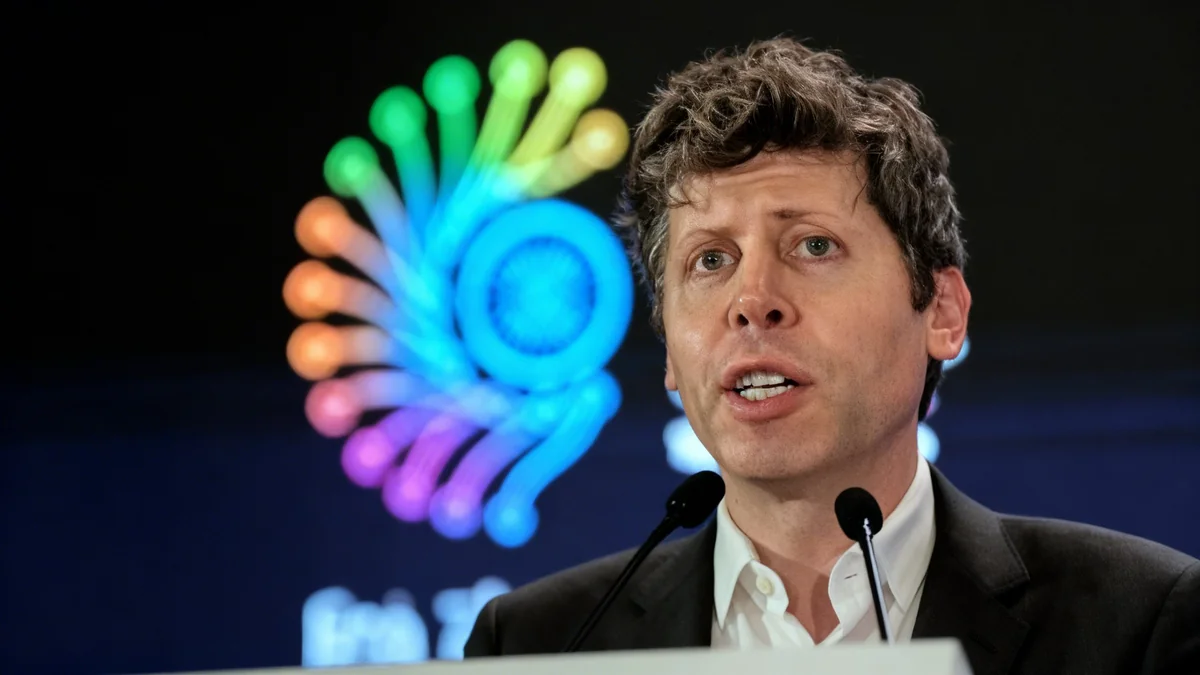
Sam Altman, a central figure in the AI movement, recently commented that the technology's proliferation has been slower than he expected. This admission from the head of OpenAI highlights the gap between the industry's ambitions and the reality on the ground. The promised radical change is not happening as quickly or as smoothly as predicted.
Slower Than Expected
The observation that AI is spreading more slowly than anticipated suggests that technical, regulatory, or social hurdles are proving more significant than industry leaders forecasted. Public skepticism is a major component of this social hurdle.
This disconnect is visible in public discourse, where conversations about AI often focus on fears of job displacement, privacy violations, and ethical concerns rather than the utopian benefits promised by its creators. While tech leaders talk about a future of abundance, many people worry about their place in an AI-driven world.
Why This Time Is Different
Several factors contribute to the public's muted reaction to the AI boom. The past two decades of technological advancement have provided a series of cautionary tales, from the privacy issues of social media to the disruptive economic effects of automation.
Unlike the internet in its early days, which was largely seen as a democratizing force for information and communication, AI is often perceived through a more critical lens. The technology is complex, its inner workings are opaque to most people, and its potential for misuse is widely discussed.
Key concerns fueling public skepticism include:
- Job Security: Widespread fear that AI will automate millions of jobs across various sectors.
- Ethical Dilemmas: Concerns about bias in AI algorithms, surveillance, and autonomous weapons.
- Data Privacy: Questions about how personal data is used to train and operate AI systems.
- Lack of Control: A feeling that the technology is developing too quickly without sufficient oversight or public input.
Until the tech industry can provide clear, convincing, and trustworthy answers to these legitimate concerns, the gap between its grand promises and the public's cautious reality is likely to remain. The AI revolution may still happen, but its path will be shaped as much by public perception and trust as by the technology itself.