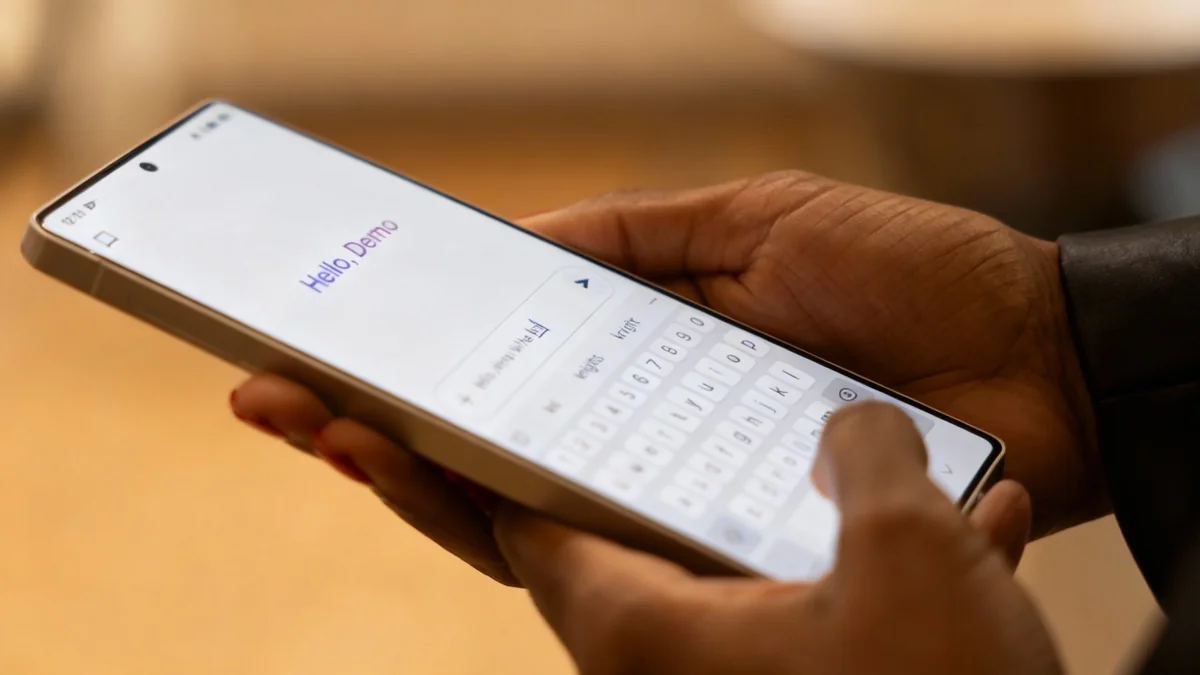





Apple is preparing a significant overhaul of its long-standing digital assistant, Siri, aiming to transform it into a sophisticated generative artificial intelligence chatbot. The move signals Apple's determined entry into the competitive AI landscape, challenging established players like OpenAI and Google.
The revamped assistant, which is being developed under the code name "Campos," is slated for release later this year. It will be deeply integrated across Apple's entire ecosystem, including the iPhone, iPad, and Mac, replacing the current version of Siri that users are familiar with.
Key Takeaways
- Apple plans to replace the current Siri with a new generative AI chatbot later this year.
- The project is internally code-named "Campos" and represents a major strategic shift for the company.
- The new AI will be deeply embedded into the iPhone, iPad, and Mac operating systems.
- This initiative is Apple's direct response to the advancements made by competitors like OpenAI and Google in the AI space.
A New Era for Apple's Digital Assistant
For years, Siri has served as a functional tool for setting timers, checking the weather, and making calls. However, with the rise of more advanced large language models, its capabilities have appeared limited in comparison. The upcoming update aims to change that perception entirely.
The new AI-powered Siri will function as a true chatbot, capable of more complex conversations, understanding nuanced context, and performing more sophisticated tasks. This represents a fundamental shift from a command-based assistant to a conversational partner.
According to people familiar with the development, the activation method will remain unchanged. Users will still be able to summon the new assistant by saying the familiar "Siri" wake word or by pressing and holding the side button on their devices. The change will be in the power and intelligence of the responses.
Deep Integration Across the Ecosystem
One of Apple's key strategies appears to be leveraging its tightly controlled hardware and software ecosystem. The "Campos" project is not just an app; it is being built directly into the core of iOS, iPadOS, and macOS.
This deep integration could allow the new Siri to perform actions and access information across different applications in a seamless way that third-party solutions cannot. For example, it might be able to summarize a long email thread and then create a calendar event based on the content without the user needing to switch between apps manually.
The Competitive Landscape
Apple's move comes as rivals have made significant strides in generative AI. OpenAI's ChatGPT captured public imagination with its human-like text generation, while Google has aggressively integrated its Gemini AI model into its search engine, Android operating system, and productivity suite. Apple has been perceived as lagging in this area, making the Siri revamp a critical step to regain momentum.
By embedding the AI at the operating system level, Apple can ensure a consistent and powerful experience for its hundreds of millions of users, potentially giving it a significant advantage in the race for AI dominance on personal devices.
What This Means for Users
The transition to a generative AI model promises a much more capable and intuitive user experience. Instead of being limited to a predefined set of commands, users will be able to interact with their devices more naturally.
Potential enhancements could include:
- Advanced Conversational Abilities: Holding more natural, multi-turn conversations where the AI remembers previous parts of the dialogue.
- Complex Task Automation: Executing multi-step tasks that involve several apps, such as planning a trip by finding flights, booking a hotel, and adding it all to the calendar with a single request.
- On-Device Processing: Leveraging Apple's powerful chips for faster and more private AI processing, a key differentiator for the privacy-focused company.
A Long-Awaited Update
Siri was first introduced on the iPhone 4S in 2011, making it one of the first mainstream digital assistants. While revolutionary at the time, its development has been criticized for being slower than its competitors. This upcoming overhaul is set to be its most significant update in over a decade.
While Apple has not officially announced the project, the move is consistent with the company's recent investments in artificial intelligence research and talent acquisition. The successful launch of an AI-powered Siri would not only enhance the user experience but also reassert Apple's position as a leading innovator in consumer technology.
The Race for AI Supremacy
The tech industry is currently defined by the intense competition to develop and deploy the most powerful artificial intelligence. Companies see generative AI as the next major computing platform, capable of transforming how we interact with technology.
For Apple, a company whose success is built on creating intuitive and powerful user experiences, a best-in-class AI assistant is no longer a luxury—it is a necessity. The "Campos" project is Apple's high-stakes bet that it can create an AI that is not only intelligent but also seamlessly integrated, private, and genuinely helpful in people's daily lives.
As the planned release approaches later this year, all eyes will be on Apple to see if it can once again redefine a product category it helped create.