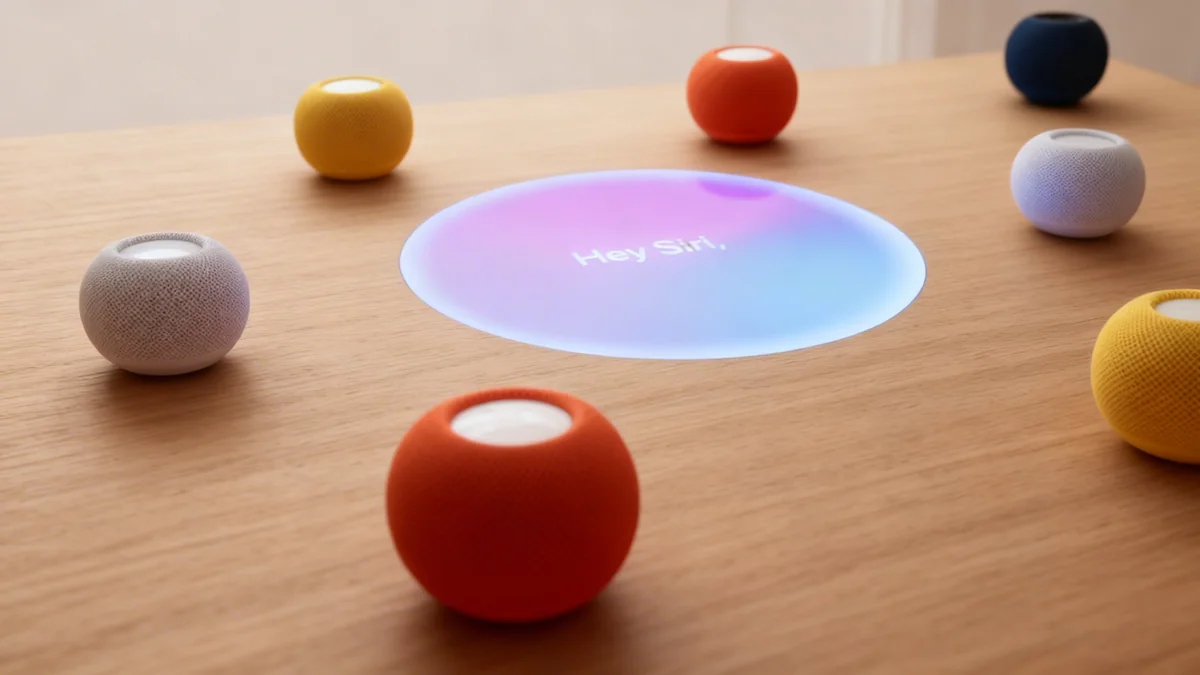




Apple's plans to release a significantly upgraded version of its Siri virtual assistant have encountered internal setbacks, leading to a revised rollout schedule for its most anticipated new features. The tech giant had initially targeted the iOS 26.4 update in March for the debut, but challenges discovered during recent testing have forced a change in strategy.
The company is now expected to spread the new Siri capabilities across several software updates throughout the year. This phased approach means some of the most advanced functions may not reach users until later this spring or even fall, with potential postponements to iOS 26.5 in May and the major iOS 27 release in September.
Key Takeaways
- Apple's planned major Siri upgrade has been delayed due to issues found in testing.
- Features originally slated for iOS 26.4 in March are now being rescheduled.
- The new capabilities will likely be released incrementally in later updates, including iOS 26.5 and iOS 27.
- The delay highlights the complexities of developing and integrating advanced AI into established ecosystems.
The Push for a Smarter Assistant
The planned overhaul of Siri is seen as a critical step for Apple as it works to compete in the rapidly advancing field of artificial intelligence. For years, Siri has faced criticism for lagging behind competitors like Google Assistant and Amazon's Alexa in conversational ability and task complexity. The upcoming upgrade was intended to close that gap significantly.
This initiative represents one of Apple's most substantial efforts to integrate next-generation AI directly into its operating system. The goal is to move Siri beyond simple commands and queries, enabling it to handle more complex, multi-step tasks and understand user context with greater accuracy. The ambition is to create a more proactive and genuinely helpful digital assistant.
The Competitive AI Landscape
The race to dominate the AI assistant market has intensified dramatically. Companies like Google, Microsoft, and OpenAI have released powerful generative AI models that are reshaping user expectations. Apple's efforts with Siri are part of a broader industry trend to make technology more intuitive and conversational, moving away from manual inputs toward natural language interaction.
However, the complexity of this undertaking appears to be greater than anticipated. Integrating such advanced technology deeply into an operating system used by over a billion people requires extensive testing to ensure stability, security, and a seamless user experience. The recent snags suggest these high standards have yet to be met.
Internal Testing Reveals Challenges
According to individuals familiar with the development process, the decision to delay the rollout came after internal testing revealed unexpected issues with the new capabilities. While the specific nature of these problems has not been disclosed, they were significant enough to warrant a change to the public release schedule.
Developing large-scale AI systems involves navigating immense technical hurdles. These can range from ensuring the AI provides accurate and reliable responses to preventing unintended behavior. For a product as central as Siri, any flaws could impact the core functionality of iPhones and other Apple devices.
A Staggered Release Strategy
Instead of a single, large-scale launch, Apple will now adopt a more cautious, staggered approach. This allows engineers more time to refine and test each new function individually before releasing it to the public. The new timeline looks something like this:
- iOS 26.4 (March): Will likely include more minor updates, with major Siri features removed.
- iOS 26.5 (May): Could see the introduction of some of the delayed Siri capabilities.
- iOS 27 (September): Expected to feature the most significant parts of the Siri overhaul, debuting alongside the new iPhone lineup.
This revised plan suggests that while the project is facing difficulties, it has not been abandoned. Rather, Apple is prioritizing stability over speed, a common approach for the company when dealing with core software features. The delay provides its engineering teams with additional months to address the issues identified during testing.
Impact on Apple's AI Roadmap
The postponement of Siri's key features could have broader implications for Apple's AI strategy. The company has been under pressure from investors and consumers to demonstrate significant progress in generative AI. The revamped Siri was expected to be a centerpiece of this effort in the first half of the year.
A delayed rollout means Apple may have to wait until its Worldwide Developers Conference (WWDC) in June or the launch of iOS 27 in the fall to showcase its most impressive AI advancements. This gives competitors more time to solidify their positions in the market.
Despite the setback, the commitment to a smarter Siri remains a top priority. The ultimate goal is to create an assistant that is deeply integrated across Apple's entire ecosystem of apps and services. This would allow users to perform complex actions—like editing photos, managing emails, and summarizing documents—using only their voice.
Successfully executing this vision would reinforce the value of Apple's tightly integrated hardware and software ecosystem. For now, users will have to wait a little longer to see the full extent of Apple's AI ambitions for Siri become a reality.