


The United States government has authorized Nvidia to sell its advanced H200 artificial intelligence chips to customers in China, marking a significant development in the ongoing technology trade relationship between the two nations. The U.S. Department of Commerce confirmed the decision, which includes specific conditions on the sales.
This policy shift allows for the export of Nvidia's second-most powerful processor under the stipulation that there is sufficient domestic supply. However, the company's most advanced chip, the Blackwell processor, remains restricted from sale in China.
Key Takeaways
- The U.S. Commerce Department has greenlit the sale of Nvidia's H200 AI chips to China.
- Sales are conditional, requiring sufficient U.S. supply and guarantees against military application.
- A 25% fee on the sales will be collected by the U.S. government, a policy introduced by President Donald Trump.
- Nvidia's top-tier Blackwell AI processor remains under a strict export ban to China.
A Conditional Green Light for Advanced Tech
The U.S. Department of Commerce’s Bureau of Industry and Security has revised its export policy, specifically permitting the shipment of Nvidia's H200 processors to China. The approval extends to some less advanced chips as well, but it is not an unconditional opening of the market.
Several key restrictions are in place. Chinese customers are required to demonstrate they have "sufficient security procedures" to safeguard the technology. Critically, the policy explicitly prohibits the use of these chips for any military purposes, a long-standing concern for Washington.
Another significant condition is tied to domestic availability. The Commerce Department stated that the chips can only be shipped to China if there is an adequate supply of the processors within the United States, prioritizing American needs before international exports to strategic competitors.
The Financials of a Geopolitical Deal
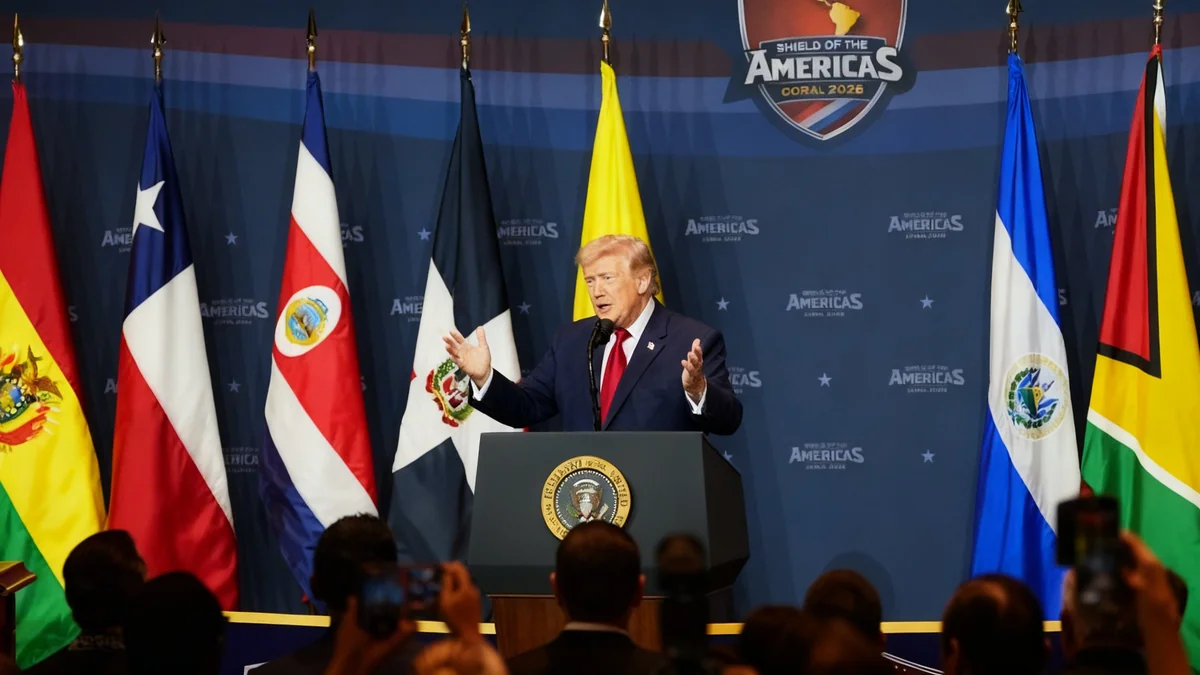
A unique financial component underpins this new policy. Last month, President Donald Trump announced that while he would permit the chip sales to "approved customers," the U.S. government would collect a 25% fee on the revenue generated from these transactions.
This move is seen by some analysts as a new precedent in trade negotiations. Marc Einstein from Counterpoint Research noted the novelty of the approach, stating, "It will be interesting to see if this tariff model expands to other sectors."
Nvidia's Position
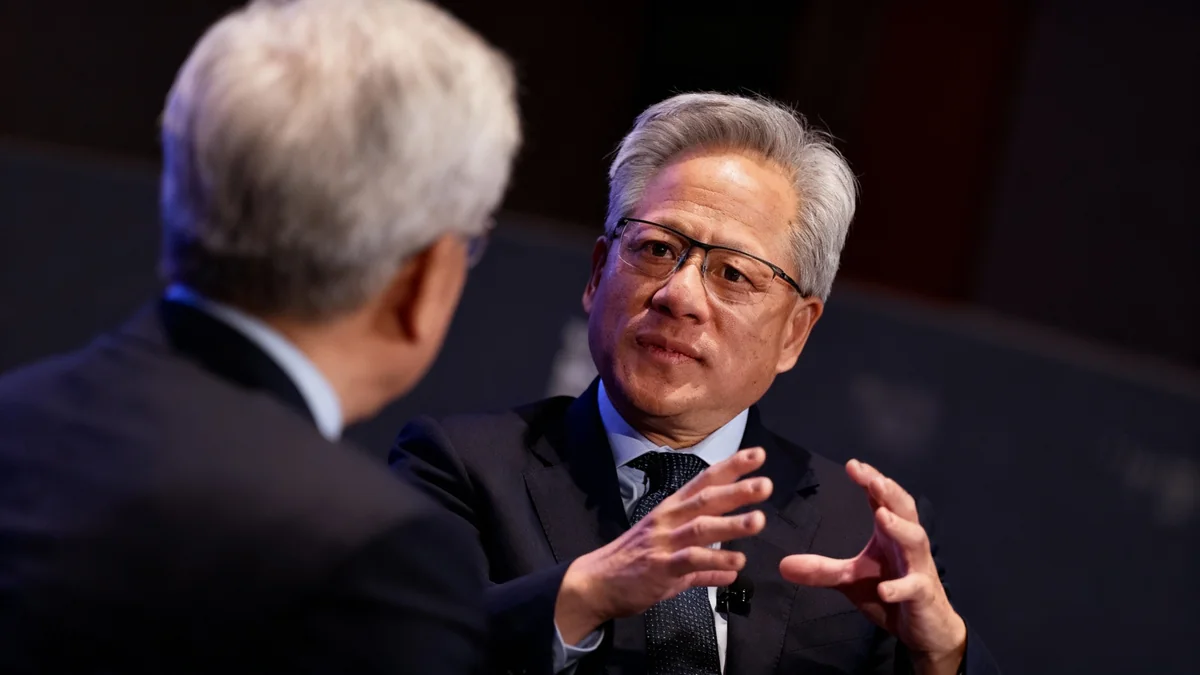
Nvidia has publicly welcomed the decision. A company spokesperson told the BBC the move will benefit manufacturing and job creation in the United States. Throughout 2025, CEO Jensen Huang has actively lobbied Washington to ease restrictions, arguing that access to global markets is essential for America's long-term competitiveness in the AI sector.
For Nvidia, regaining access to the vast Chinese market, even with a reduced margin due to the government's fee, is a strategic positive. Semiconductor analyst Austin Lyons suggested that Nvidia will be happy to secure any revenue from China, while Chinese firms will be eager to acquire the H200 chips until their domestic alternatives become more competitive.
Navigating a Complex Tech Rivalry
This decision is the latest chapter in the complex technological tug-of-war between Washington and Beijing. The U.S. has previously implemented tight restrictions on advanced semiconductor exports, citing national security concerns that the technology could be used to enhance China's military capabilities.
These restrictions prompted a response from Beijing, which reportedly encouraged its domestic tech giants to prioritize locally produced semiconductors and boycott certain U.S. chips. This was part of a broader strategy to accelerate China's own technological self-sufficiency.
"We oppose blocking and restricting China, which disrupts the stability of industrial and supply chains. This approach does not serve the common interests of both sides."
Liu Pengyu, Chinese embassy spokesman
Despite efforts to bolster its domestic industry, experts consistently note that China's chip manufacturing capabilities still lag behind those of the United States. The demand for high-performance processors like the H200 remains strong among Chinese tech companies striving to compete in the global AI race.
The Broader Implications
While the H200 is a powerful processor, the U.S. continues to draw a firm line. The world's most advanced AI semiconductor, Nvidia's Blackwell processor, remains firmly blocked from sale to China. This tiered approach suggests a nuanced U.S. strategy: allowing trade that benefits American companies while withholding the absolute cutting-edge technology that could pose a more direct security risk.
Background: The AI Chip Race
Advanced processors like Nvidia's H200 are the backbone of modern artificial intelligence. They are essential for training large language models, powering complex simulations, and driving innovation in everything from healthcare to autonomous vehicles. Control over the supply of these chips is considered a critical element of national power in the 21st century.
The policy reversal by the Trump administration, initiated last July, came after significant lobbying from the tech industry. The new framework attempts to balance the economic interests of American firms like Nvidia with the strategic imperatives of national security. The long-term effects of this hybrid approach—combining restricted trade with revenue sharing—will be closely watched by policymakers and industry leaders worldwide.