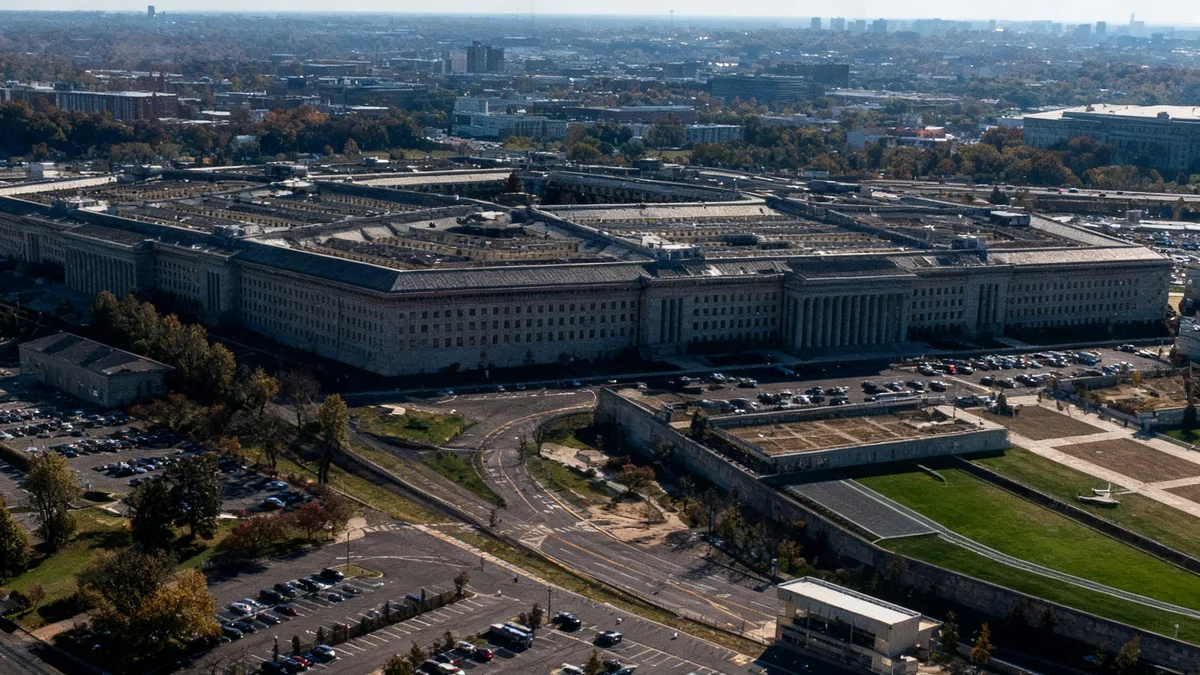

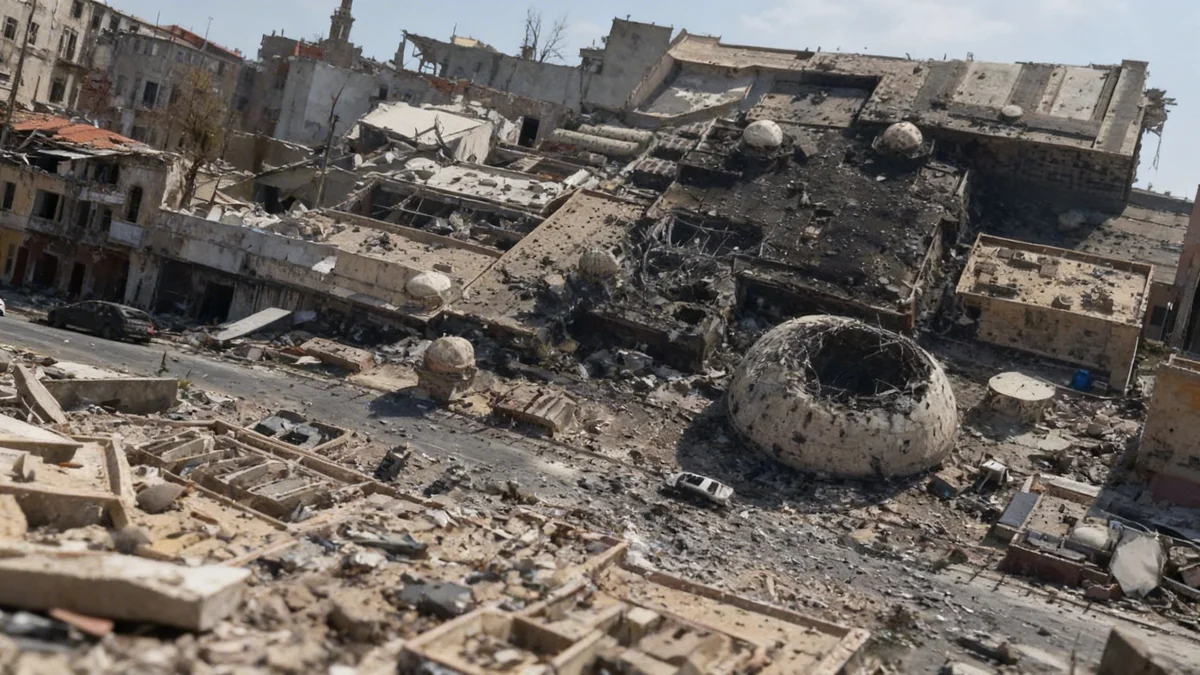
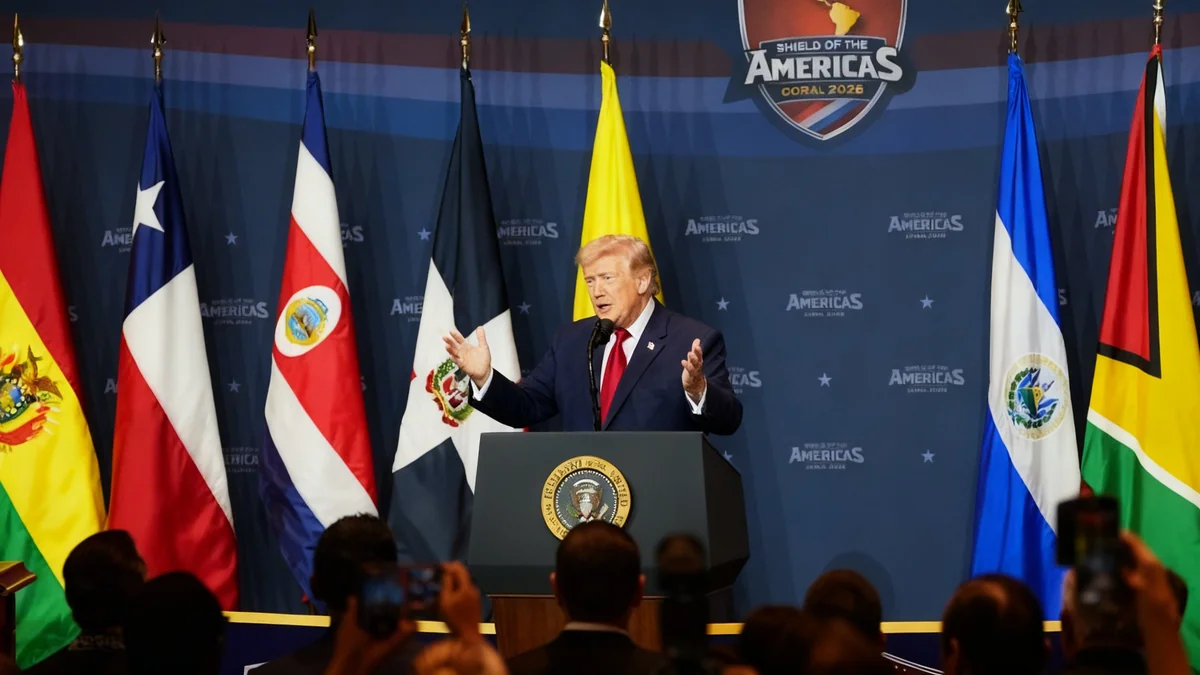
A high-stakes disagreement has erupted between the U.S. Department of Defense and leading artificial intelligence company Anthropic over the ethical boundaries of using AI in military applications. The dispute, which centers on the use of AI in autonomous weapons and surveillance, threatens to derail a critical partnership and could see Anthropic labeled a "supply chain risk" by the Pentagon.
The conflict places Anthropic, a company founded on principles of AI safety, at odds with the Pentagon's push to deploy advanced technology without restrictions. Negotiations over a contract for using Anthropic's AI on classified systems have stalled, leading to a public and tense standoff that highlights the growing friction between Silicon Valley ethics and national security demands.
Key Takeaways
- The U.S. Department of Defense and AI company Anthropic are in a dispute over contract terms for AI use in military systems.
- Anthropic has requested limitations to prevent its technology from being used for mass surveillance of Americans or in fully autonomous weapons.
- The Pentagon is reportedly considering designating Anthropic a "supply chain risk," a move that would sever its ties with the military.
- The conflict escalated after reports that Anthropic's technology was used in a U.S. military operation in Venezuela.
A Partnership on the Brink
For more than a year, Anthropic has been a key technology provider for the Department of Defense. Its powerful AI chatbot, Claude, was integrated into a $200 million pilot program to help analyze intelligence data and was the only AI model operating on the military's classified systems.
However, that relationship is now under severe strain. The Pentagon has publicly stated that its relationship with the San Francisco-based company is "being reviewed." The department is pushing for unrestricted use of AI tools, a position that directly conflicts with Anthropic's foundational safety principles.
The situation escalated when sources close to Defense Secretary Pete Hegseth indicated that the Pentagon was close to declaring Anthropic a "supply chain risk." This designation is typically reserved for companies with ties to foreign adversaries like China and would effectively bar the company from future military contracts.
A Widely Used Tool
Anthropic's AI model, Claude, was the most widely used by the Pentagon within its pilot program, thanks to its integration with data analytics from Palantir, a long-time government contractor. Other major AI firms like Google, OpenAI, and xAI are also part of the program, but their work has been limited to unclassified systems.
The Ethical Divide in AI Warfare
At the core of the dispute are fundamental questions about how AI should be deployed on the battlefield. During contract renegotiations, Anthropic officials expressed their desire to place firm limits on their technology's application. Specifically, they voiced concerns about its use for mass surveillance of U.S. citizens and its deployment in autonomous weapons systems that operate without a human "in the loop."
This cautious approach is a hallmark of the company and its CEO, Dario Amodei. Dr. Amodei has been a vocal proponent of AI safety, once estimating a 10 to 25 percent chance that advanced AI could pose an existential threat to humanity.
"Using A.I. for domestic mass surveillance and mass propaganda [seems] entirely illegitimate," Dr. Amodei wrote in a recent essay, adding that automated weapons could increase the risk of governments turning them against their own people.
The Pentagon has reportedly dismissed these concerns, accusing Anthropic of catering to a liberal-leaning workforce. In a statement, Pentagon spokesman Sean Parnell emphasized the department's position.
"Our nation requires that our partners be willing to help our war fighters win in any fight," he said. "Ultimately, this is about our troops and the safety of the American people."
A Shifting Landscape
The disagreement occurs as other AI companies appear to be strengthening their ties with the military. On February 9, OpenAI, a primary competitor to Anthropic, announced it was expanding its work with the Pentagon, stating it was important to understand how AI can "help protect people, deter adversaries, and prevent future conflict" when used with proper safeguards.
A Flashpoint Over a Foreign Operation
Tensions reportedly boiled over following a news report that Anthropic's technology played a role in a January U.S. military operation to capture Venezuelan President Nicolás Maduro. According to Pentagon officials, Anthropic employees raised concerns with their partner, Palantir, about the use of their AI in the raid.
A Pentagon official described an exchange where a "senior executive" from Anthropic questioned a Palantir official about the model's use in the Maduro operation. This reportedly alarmed Palantir, who then contacted the Department of Defense.
Sources close to Anthropic present a different version of events. They claim only one employee raised a question during a routine technical meeting with a Palantir counterpart. In a formal statement, Anthropic said it had "not discussed this with, or expressed concerns to, any industry partners outside of routine discussions on strictly technical matters."
An Uncertain Future
Despite the public friction and the threat of being blacklisted, negotiations between the Department of Defense and Anthropic were reportedly continuing this week. The outcome could have significant implications for the future of AI in national security.
Replacing Anthropic's technology on classified systems would be a difficult task, according to military officers familiar with its integration. The company's Claude AI is deeply embedded in various analytical workflows, and finding a suitable replacement could be a lengthy and complex process.
The standoff underscores a critical debate facing the nation: how to balance the immense power of artificial intelligence with the ethical guardrails necessary to prevent its misuse. Emelia Probasco, a senior fellow at Georgetown’s Center for Security and Emerging Technology, stressed the importance of finding a resolution.
"There are war fighters using Anthropic for good and legitimate purposes, and ripping this out of their hands seems like a total disservice," she said. "What the nation needs is both sides at the table discussing what can we do with this technology to make us safer."
As the negotiations continue, the tech and defense worlds are watching closely. The result will not only determine the fate of a key government contract but may also set a precedent for how ethical considerations are weighed in the development of future military technology.