


Technology giants like Microsoft and Meta are pouring tens of billions of dollars into the infrastructure needed for the artificial intelligence boom. However, they are increasingly using complex financial strategies and partnerships to shift the immense long-term risks of these massive projects onto smaller companies and private investors.
Through a series of creative deals, these corporations are rapidly expanding their computing power without adding decades of debt to their own balance sheets. This approach allows them to remain flexible in a volatile market while leaving lenders and specialized partners to bear the potential consequences if AI demand fails to meet today's sky-high expectations.
Key Takeaways
- Tech giants are using creative financing to build AI data centers without taking on direct, long-term debt.
- Meta is utilizing a "special purpose vehicle" and private credit to fund a Louisiana data center, effectively renting the facility.
- Microsoft is signing multi-billion dollar, short-term deals with smaller "neocloud" providers for greater flexibility.
- These strategies transfer significant financial risk from tech behemoths to smaller firms, their lenders, and investors.
- If the AI boom slows, these smaller partners and private credit markets could be left with depreciating, specialized assets.
Meta's Louisiana Project A New Financial Playbook
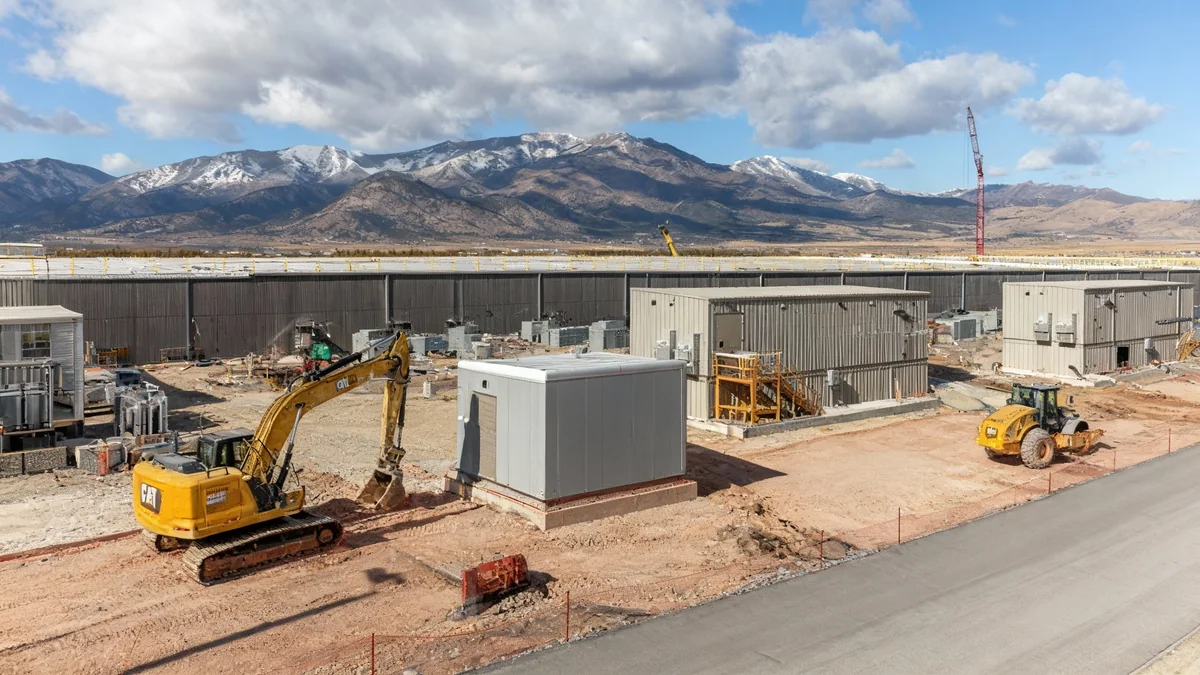
In the farmlands of northeast Louisiana, a massive data center project reveals the new financial architecture of the AI era. Meta, the parent company of Facebook, is financing the construction of this facility through an unconventional arrangement that keeps nearly $30 billion in debt off its official corporate books.
The company established a separate legal entity, or a "special purpose vehicle," named Beignet Investor LLC. This entity, not Meta, is borrowing the funds for the project, primarily working with the private credit firm Blue Owl Capital. Blue Owl is providing 80% of the financing, shouldering the direct financial burden.
Under the terms of the deal, Meta will construct the data center and then "rent" it back from Beignet Investor LLC through a series of four-year leases. This structure allows Meta to classify the enormous expense as a day-to-day operating cost rather than a long-term capital investment, a move that is often viewed more favorably by investors.
What is a Special Purpose Vehicle (SPV)?
An SPV is a subsidiary company with an asset and liability structure and a legal status that makes its obligations secure even if the parent company goes bankrupt. In this case, it allows Meta to isolate the financial risk of the data center project from its core business operations.
According to Solomon Feig, a private credit lender at Pinnacle Private Credit, Meta is essentially paying a premium to avoid borrowing the money itself. "Instead, Meta is renting risk," he explained.
The financing for this project, known as Hyperion, was largely raised through bonds sold by asset manager Pimco to its clients, which include pension funds, insurance companies, and endowments. These "Beignet bonds" mature in 2049. However, Meta's commitment is not indefinite. The company has the option to walk away from the lease as early as 2033. While S&P Global notes that Meta has promised to provide enough cash to repay the underlying debt, the structure ensures the debt does not formally appear on its balance sheet.
Microsoft's Flexible Power Play with Neoclouds
Microsoft is pursuing a different but equally strategic path to secure the vast computing power it needs. The company is engaging in a flurry of multi-billion dollar deals with a new generation of specialized data center providers known as neoclouds.
These contracts are typically for shorter terms, usually three to five years, which provides Microsoft with immense flexibility. It can rapidly scale up its computing capacity to meet immediate customer demand without committing to building and owning facilities that could take years to construct and last for decades.
Microsoft's Recent Neocloud Deals
- $17 billion with Nebius, from a founder of Russian internet company Yandex.
- $23 billion with Nscale, a privately-held British neocloud.
- $10 billion with Iren, a company that was formerly a bitcoin miner.
This approach allows Microsoft to adapt quickly if the market shifts. In April, Microsoft CEO Satya Nadella highlighted this focus on agility, stating that if demand changes, "you don’t want to be upside down." This sentiment was echoed by Alistair Speirs, a Microsoft executive, who said the company's infrastructure approach is built on flexibility "based on the near-term and long-term demand signals we see from customers."
By leasing power from neoclouds, Microsoft can also report these massive expenditures as operating expenses, similar to Meta's strategy. This avoids the long-term capital commitments that can sometimes worry shareholders about over-investment.
The Risk Moves Downstream
These sophisticated financial maneuvers have one thing in common: they push the enormous financial risk of the AI build-out away from the tech giants and onto the shoulders of their partners. The neoclouds and private lenders are the ones taking on billions in debt to build the infrastructure that Microsoft, Meta, and others need.
"Risk is like a tube of toothpaste. You press it here, it is going to come out somewhere else. It’s always in the system, it’s a matter of where."
CoreWeave, one of the largest neocloud providers, exemplifies this dynamic. The company is taking on billions of dollars in debt, much of it at high interest rates of 10% or more, to build out its capacity. CoreWeave has deals to provide computing power to Microsoft and Google, which in turn supply some of that power to their partner, OpenAI. Additionally, OpenAI has committed to buying up to $22.4 billion in computing power directly from CoreWeave.
This effectively ties CoreWeave's future to the continued success and demand from a handful of major clients, especially OpenAI. While a CoreWeave spokeswoman stated the company is diversifying its customer base and that no single customer represents more than 35% of its future contracted revenue, the concentration of risk is significant.
Echoes of Past Financial Booms
The use of special purpose vehicles and a heavy reliance on private credit has some financial analysts drawing parallels to previous investment bubbles. These methods of raising funds are often less transparent than traditional banking sectors, making it harder to assess the overall stability of the system.
Professor Shivaram Rajgopal expressed concern, noting the similarities to accounting methods used before the dot-com bubble of the early 2000s. "I thought we had solved the off-balance-sheet problem," he said. "This is like Groundhog Day all over again."
For now, the strategy appears to be a shrewd move by the world's largest technology companies. They get the infrastructure they need to compete in the AI race while insulating themselves from the worst of the potential financial fallout. As analyst Alex Platt of D.A. Davidson put it, "It is very savvy of them." The trillions of dollars at stake are being spread around, but it is the smaller players and their investors who are now holding the most concentrated risk.