




Venture capitalists in Silicon Valley are abandoning traditional boardroom meetings for weightlifting sessions and rock-climbing walls in a frantic race to fund the next major artificial intelligence startup. In this supercharged environment, multimillion-dollar investment decisions that once took weeks are now being made in as little as 15 minutes, signaling a fundamental shift in the tech investment landscape.
The pressure to move at unprecedented speed is reshaping the culture of venture capital, forcing investors to adopt aggressive and unconventional tactics to secure deals with promising AI founders. This high-velocity deal-making reflects the immense competition and perceived urgency surrounding the AI boom.
Key Takeaways
- Venture capital investment decisions in AI startups are being made in minutes, not weeks.
- Investors are using unconventional meeting locations like gyms to gain access to founders.
- The intense competition gives AI startup founders significant leverage over investors.
- The speed of company growth in the AI sector is driving the accelerated investment pace.
The New Gold Rush: Speed Over Scrutiny
The artificial intelligence boom has compressed the timeline for nearly every aspect of building a tech company. Startups are being formed faster, finding customers faster, and scaling their operations at a rate previously unseen. This acceleration has forced the venture capital industry, traditionally known for its lengthy due diligence, to adapt or risk being left behind.
Investors report a palpable sense of urgency. The fear of missing out on a foundational AI company is driving a new culture where speed is the most valuable asset. Traditional evaluation processes are being truncated as firms vie for a stake in a limited pool of high-potential ventures.
By the Numbers
Some investors are now making multimillion-dollar commitments after initial meetings that last no longer than 15 minutes. This is a dramatic departure from the weeks or months of analysis that used to be standard practice.
Ben Braverman, an investor at Saga Ventures, exemplifies this new reality. He recently secured a meeting with Filip Aronshtein, the 25-year-old founder of AI startup Dirac, not in an office, but at a luxury fitness center. The pitch and negotiation happened between sets of bench presses.
"Speed is the name of the game," Braverman explained, highlighting the necessity of seizing any opportunity to engage with sought-after founders.
This approach underscores a broader trend: if a founder's only availability is during a workout, investors are now willing to grab their gym gear and make their case.
Founders in Command
The intense demand for AI innovation has shifted the power dynamic firmly in favor of entrepreneurs. Founders with compelling ideas are finding themselves inundated with offers from eager investors, allowing them to be highly selective about who they partner with and on what terms.
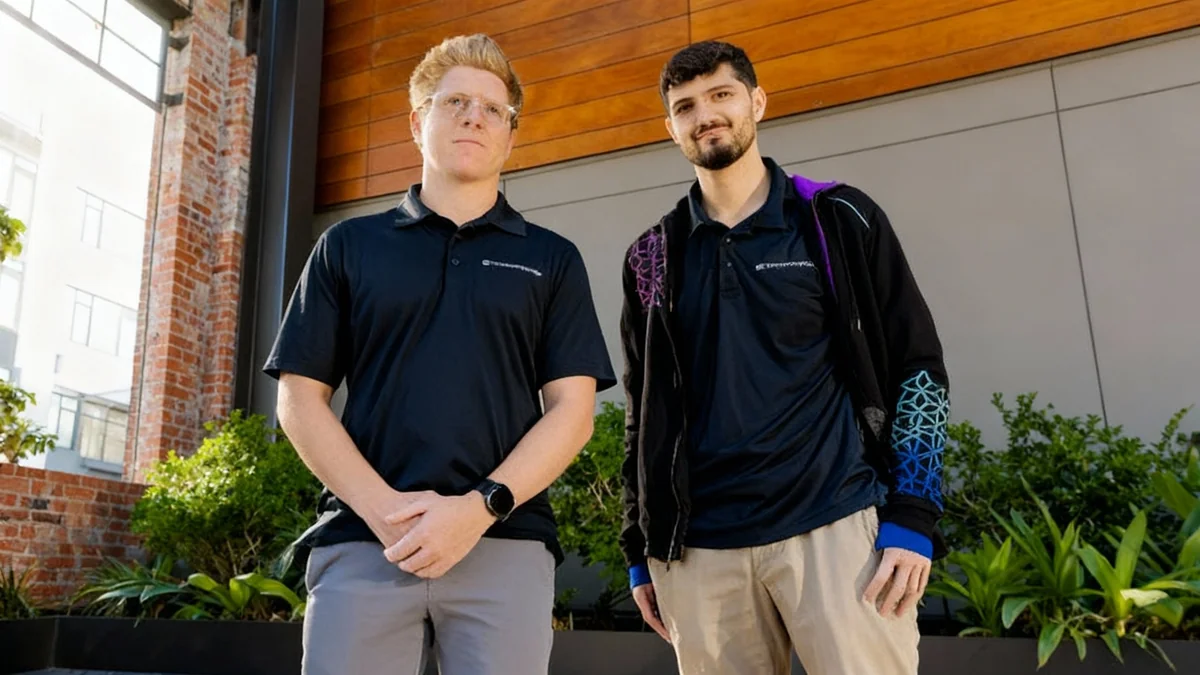
The experience of Colin Roberts and Vivek Nair, founders of the AI startup Multifactor, illustrates this trend perfectly. They fielded interest from more than 250 different investors, a number that would have been unimaginable just a few years ago. The overwhelming interest allowed them to raise more capital than they had initially planned, showcasing the high level of confidence investors have in the sector.
A Seller's Market
The current AI investment climate is a classic seller's market. With a surplus of capital chasing a finite number of elite AI startups, founders can dictate terms, timelines, and even the nature of their interactions with potential backers. This has led to the unconventional meeting scenarios now becoming common.
This leverage means investors must do more than just offer money. They must demonstrate value, build rapport quickly, and prove they can move as fast as the startups they hope to fund. The ability to make a swift, decisive commitment is often more attractive to a founder than a slightly higher valuation that comes with weeks of uncertainty.
Rethinking Due Diligence in the AI Era
The accelerated pace of deal-making raises questions about the thoroughness of the evaluation process. When decisions are made in minutes, traditional due diligence—involving deep dives into financial models, technology audits, and market analysis—is inevitably condensed.
Investors argue that in the AI space, the key variables are different. They are often betting on the caliber of the founding team and the scale of their vision rather than on existing revenue or proven market fit. The belief is that a brilliant team in a massive, fast-growing market can overcome early obstacles.
However, this high-speed approach carries inherent risks. The potential for overlooking critical flaws in a business model or technology is significantly higher. The industry is effectively trading deep scrutiny for speed, a gamble that could lead to spectacular successes but also to equally spectacular failures.
- Focus on Team: Investors are prioritizing the expertise and vision of the founding team above all else.
- Market Size: The potential size of the addressable market is a critical factor in rapid decision-making.
- Technical Acumen: A founder's ability to articulate a complex technical vision clearly and concisely is paramount.
As the AI revolution continues to unfold, the venture capital world is being reshaped in real time. The days of slow, deliberate investment are fading, replaced by a high-stakes race where the fastest, not necessarily the most cautious, are winning the deals that could define the next generation of technology.