




While the stock market continues to reward artificial intelligence companies with record-high valuations, a different story is unfolding in the debt markets. New and emerging AI firms are facing steep interest rates to secure loans, a sign that debt investors are exercising significant caution despite the public hype surrounding the technology.
Key Takeaways
- Artificial intelligence companies are being charged high interest rates when borrowing money, signaling skepticism from debt investors.
- This contrasts sharply with the enthusiastic stock market, where AI-related shares have reached new highs.
- In one case, data center builder Applied Digital had to pay an interest rate 3.75 percentage points higher than similarly rated companies.
- The high borrowing costs reflect concerns over the long-term profitability and unproven business models of many new AI ventures.
A Tale of Two Markets
The financial world is showing a split personality when it comes to artificial intelligence. On one hand, equity investors have pushed stock prices for AI-related companies to unprecedented levels, largely brushing aside warnings of a potential market bubble. This optimism is fueled by the transformative potential of AI technology.
However, the debt market, which typically prioritizes stability and predictable returns, is painting a much more cautious picture. Lenders and bond buyers are demanding a significant premium to loan money to these same companies, indicating a deep-seated skepticism about their ability to generate consistent cash flow and repay large debts.
This divergence highlights a fundamental question facing the industry: while the long-term vision for AI is compelling, are the current business models sustainable enough to support billions in borrowed capital?
Equity vs. Debt Investors
Equity investors buy shares (ownership) in a company, betting on future growth and stock price appreciation. They are generally more comfortable with risk for a higher potential reward. Debt investors, on the other hand, lend money and expect to be paid back with interest. Their primary concern is the borrower's ability to meet its debt obligations, making them inherently more risk-averse.
The High Price of Capital
The tangible cost of this skepticism is becoming clear in recent debt deals. Companies that are foundational to the AI ecosystem, such as those building or renting out data centers, are finding that capital comes at a steep price. These businesses require massive upfront investment in infrastructure, making them heavily reliant on borrowing.
A prominent example involves Applied Digital, a company that develops data centers. To raise funds, the company had to agree to an interest rate that was 3.75 percentage points above the average for companies with a similar credit rating. This translates to a staggering 70% increase in interest payments, a significant financial burden for a developing business.
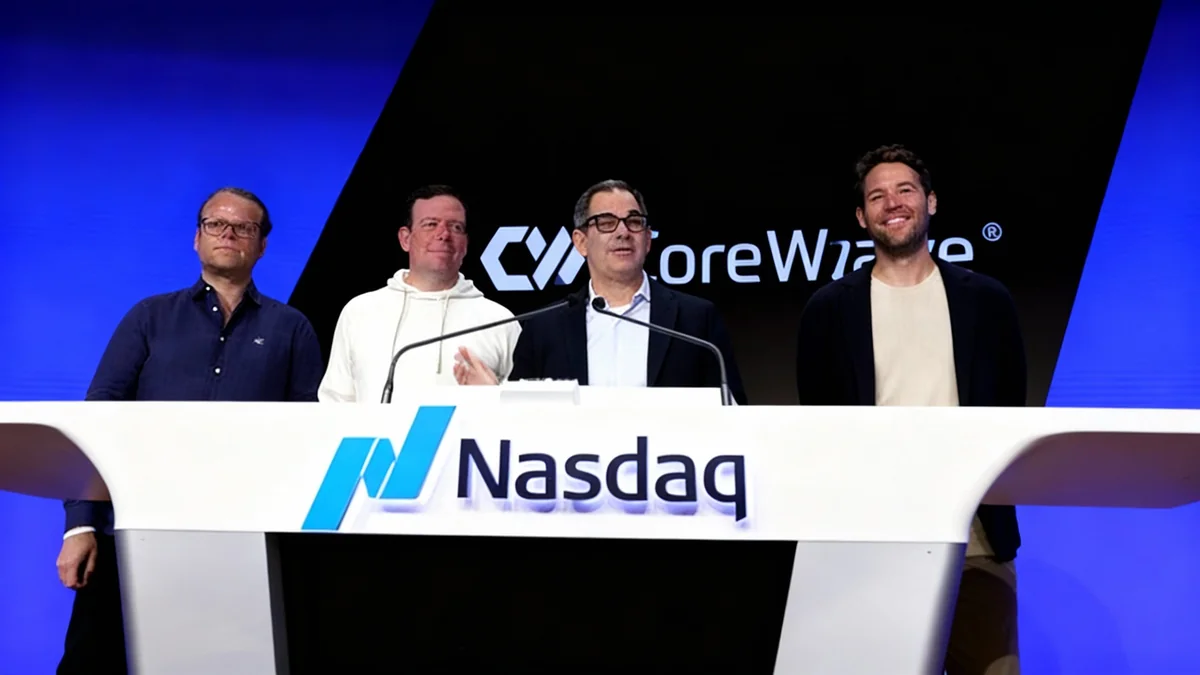
Another company navigating this challenging environment is CoreWeave, which specializes in renting out data centers equipped for AI workloads. As smaller, newer companies enter the capital-intensive AI infrastructure space, they are met with cautious lenders who demand higher returns to compensate for perceived risks.
By the Numbers
The additional 3.75 percentage points Applied Digital paid on its debt is a clear indicator of market caution. For a company borrowing hundreds of millions of dollars, such a premium can divert critical funds away from research, development, and expansion.
Underlying Concerns Fueling Caution
Why are debt investors so wary when stock traders are so bullish? The reasons are rooted in the fundamental differences between speculative growth and proven profitability. Lenders are closely examining the business models of these new AI companies and identifying several potential risks.
Unproven Business Models
Many AI companies are still in their early stages, operating on business models that have yet to demonstrate consistent, long-term profitability. While their technology is groundbreaking, their ability to convert innovation into reliable revenue streams remains a significant question mark for lenders who prioritize repayment certainty over growth potential.
Intense Competition and Capital Burn
The AI sector is becoming increasingly crowded. New companies must compete with established tech giants that have deeper pockets and existing infrastructure. This competitive pressure forces startups to spend heavily on technology and talent, leading to a high "cash burn" rate that can make debt repayment challenging.
"Debt investors are paid to assess downside risk, not to dream about upside potential," noted one market analyst. "They see companies with massive capital needs, intense competition, and an unproven path to profitability, and they price that risk accordingly. The interest rate is their insurance policy."
Implications for the Future of AI
The high cost of borrowing could have significant consequences for the AI industry's development. It creates a more challenging environment for startups and smaller companies trying to compete with tech behemoths.
These higher financing costs could potentially lead to:
- Slower Growth: Companies may have to scale back expansion plans for data centers and other infrastructure projects due to the expensive nature of debt.
- Increased Consolidation: Smaller firms struggling with high debt loads may become acquisition targets for larger, cash-rich corporations.
- A Focus on Near-Term Profitability: The pressure to service expensive debt might force companies to prioritize immediate revenue generation over long-term, ambitious research and development.
While the stock market continues to celebrate the promise of an AI-powered future, the cautious stance of the debt market serves as a crucial reality check. It underscores the immense challenges and financial hurdles that companies must overcome to turn technological breakthroughs into sustainable and profitable enterprises. The high interest rates are a clear signal that, for now, the road to the AI revolution will be an expensive one to build.