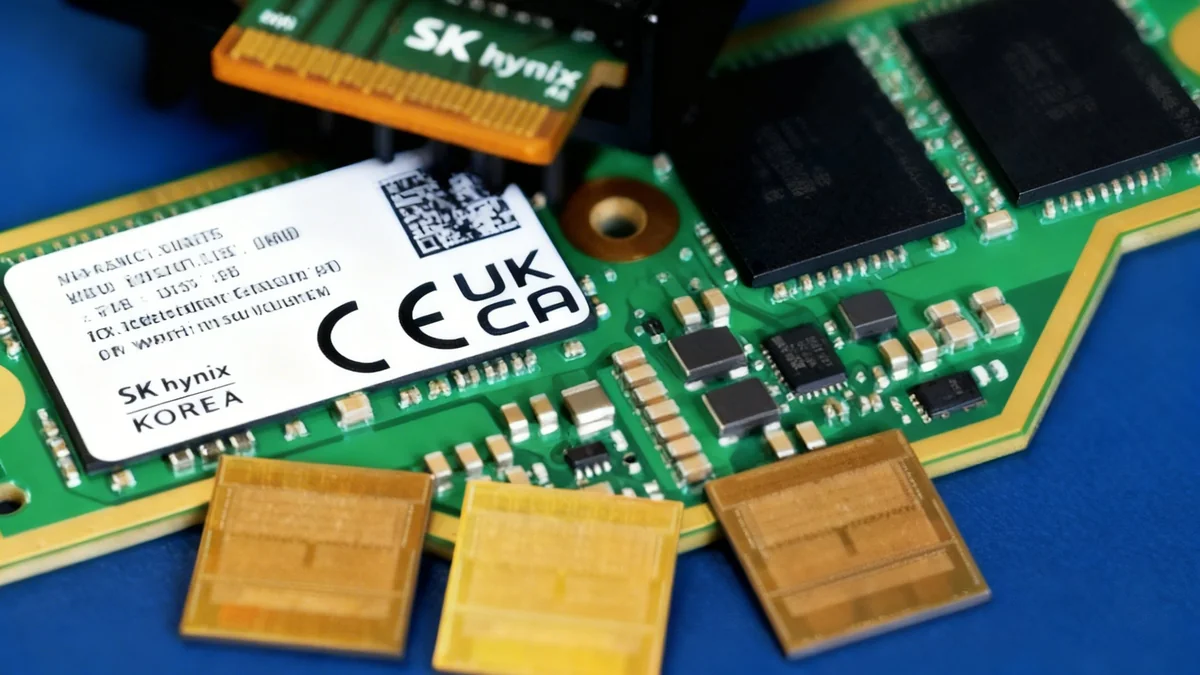





A growing number of technology industry leaders are sounding the alarm over an escalating global shortage of memory chips, a critical component in nearly all modern electronics. The surge in demand, largely fueled by the rapid expansion of artificial intelligence, is beginning to disrupt production lines, squeeze corporate profits, and threaten price increases for consumers on products ranging from smartphones to data centers.
Since the beginning of 2026, major corporations including Apple Inc. and Tesla Inc. have publicly warned that the scarcity of dynamic random access memory, or DRAM, will create significant business challenges. These warnings signal a deepening crisis that could impact the global economy and the pace of technological innovation.
Key Takeaways
- An unprecedented surge in demand for AI is causing a global shortage of essential memory chips, specifically DRAM.
- Tech giants like Apple and Tesla have warned of production constraints and reduced profit margins due to the scarcity.
- The shortage is expected to inflate prices for a wide range of consumer electronics, including smartphones, laptops, and automobiles.
- Industry experts describe the bottleneck as severe, with some executives exploring drastic measures like building their own fabrication plants.
The Epicenter of the Shortage: AI's Insatiable Appetite
The core of the current supply chain crisis is the explosive growth of artificial intelligence. AI models, particularly large language models and generative AI, require immense computational power, which in turn depends on vast quantities of high-performance memory to function effectively.
This has placed an unprecedented strain on the supply of DRAM, the fundamental memory component used to store data for processors. As companies race to build and deploy more powerful AI systems, their demand for these chips has outstripped the manufacturing capacity of the world's leading semiconductor firms.
Micron Technology Inc., a major player in the memory market, has labeled the current situation an “unprecedented” bottleneck. The complexity and cost of building new fabrication plants mean that supply cannot be increased quickly, creating a prolonged period of scarcity.
Corporate Giants Feel the Pinch
The impact of the memory chip shortage is rippling through the highest levels of the tech industry. During recent financial disclosures, top executives have been transparent about the impending challenges. Apple CEO Tim Cook warned that the shortage is expected to compress profit margins on the company's flagship iPhone line, a development that could affect the company's financial performance.
The automotive industry, which has become increasingly reliant on advanced electronics, is also facing significant headwinds. Elon Musk, CEO of Tesla, highlighted the intractable nature of the problem. He suggested that the situation has become so severe that Tesla is now considering the extraordinary step of building its own memory fabrication plant to secure its supply chain.
This is a fundamental constraint on production. We may have no choice but to vertically integrate further to solve it.
This statement underscores the gravity of the situation. Building a semiconductor fabrication plant is a multi-billion dollar, multi-year endeavor, and the fact that a company like Tesla is even contemplating it reveals the depth of the supply chain failure.
From Phones to Cars
The DRAM shortage is not limited to one sector. It is a foundational component crisis affecting a vast array of products:
- Smartphones: Advanced features and AI-powered apps require more memory.
- Laptops: Modern operating systems and software are increasingly memory-intensive.
- Automobiles: Advanced driver-assistance systems (ADAS) and in-car infotainment rely heavily on DRAM.
- Data Centers: The backbone of the cloud and AI services is the largest consumer of memory chips.
The Consumer Impact: Higher Prices and Limited Availability
While corporations are the first to feel the effects of the shortage, consumers will likely face the consequences soon. The basic economic principles of supply and demand suggest that the scarcity of memory chips will lead to higher component costs for manufacturers. These increased costs are often passed directly on to consumers in the form of higher retail prices.
Industry analysts predict that price tags on new laptops, smartphones, and even vehicles could see increases as the shortage persists. Beyond pricing, consumers may also encounter limited availability of certain high-end products that are particularly dependent on large amounts of advanced memory.
What is DRAM?
Dynamic Random Access Memory (DRAM) is a type of volatile semiconductor memory that stores each bit of data in a separate capacitor within an integrated circuit. It is the most common type of RAM used in personal computers, servers, and smartphones. Because it needs to be constantly refreshed to maintain data, it is called 'dynamic'. Its speed and relatively low cost have made it essential for modern computing.
No Quick Fix on the Horizon
Solving the global memory chip shortage will not be a simple or swift process. The lead time for constructing and equipping a new semiconductor fabrication plant, or 'fab,' can be several years. Furthermore, these facilities represent some of the most complex and expensive manufacturing environments in the world.
The industry is now in a race against time. While chipmakers are working to expand capacity, the relentless growth of AI demand continues to widen the gap between supply and what the market needs. Companies are being forced to rethink their corporate plans, delay product launches, and find new ways to manage a supply chain that has become dangerously constrained.
As the world becomes more reliant on intelligent systems, the availability of these tiny, fundamental components has emerged as a critical point of failure. The warnings from industry leaders are clear: the memory chip crunch is not just a temporary bottleneck, but a growing global crisis with far-reaching implications for technology and the economy.