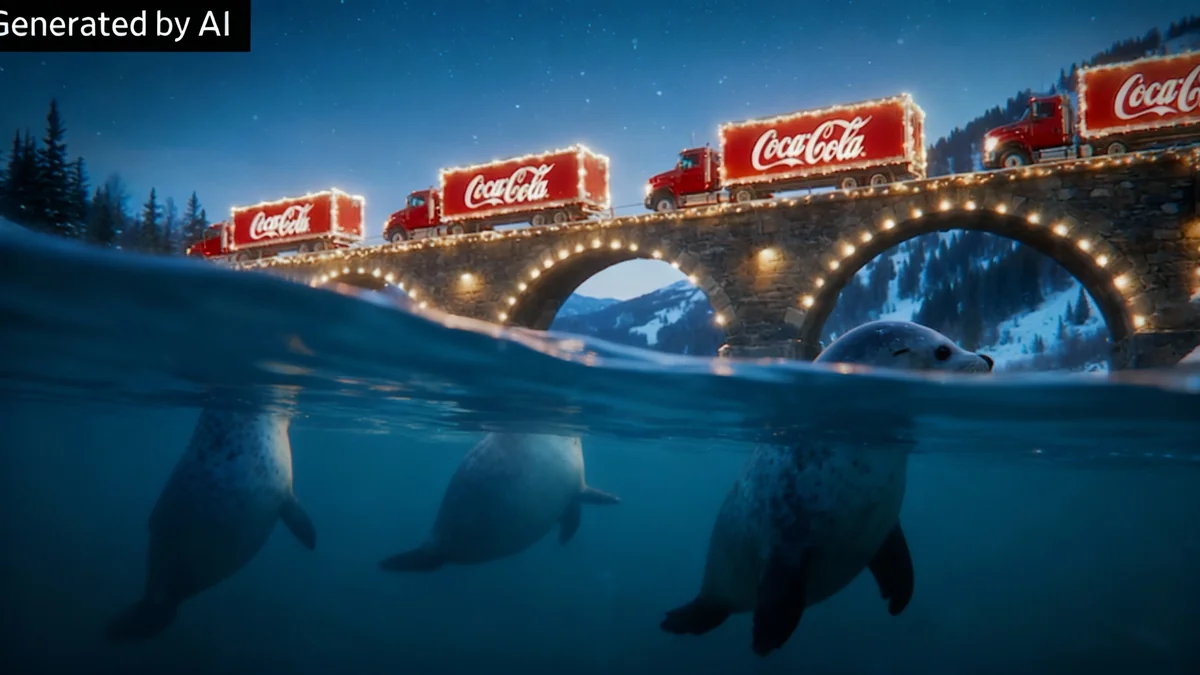


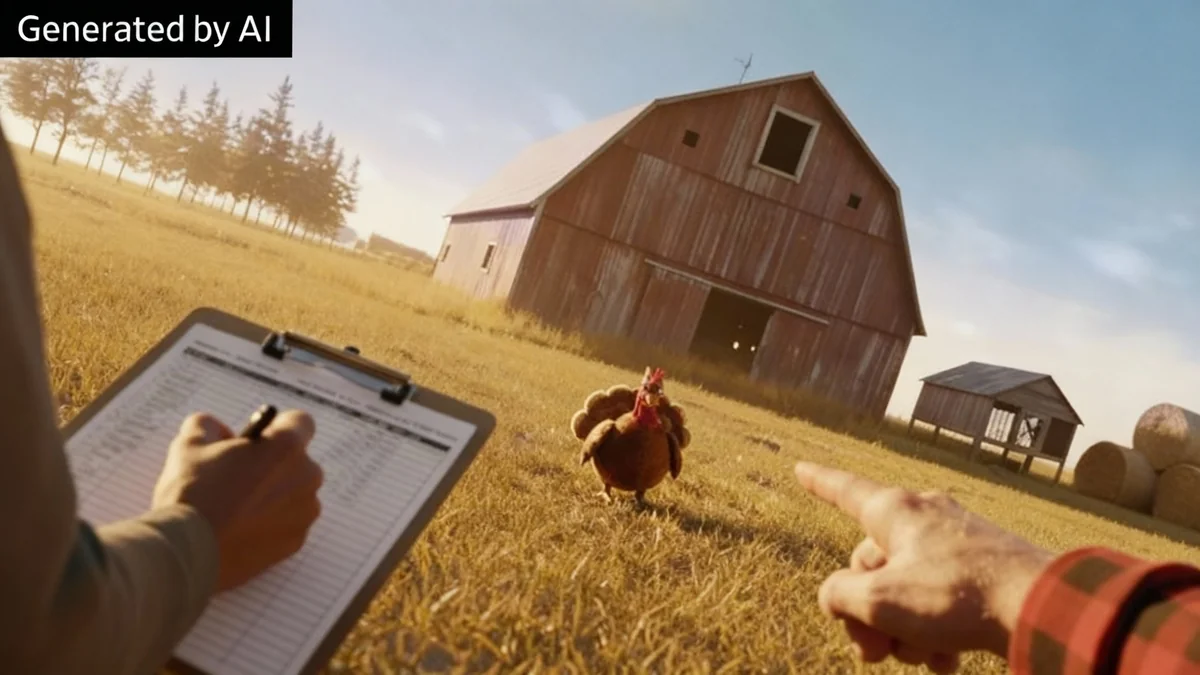


Coca-Cola is once again integrating artificial intelligence into its holiday advertising strategy. The company has released new commercials for the season, with one developed in collaboration with Silverside AI, a San Francisco-based firm. This marks a continued exploration of AI in creative content following previous efforts.
The new ad aims to build on lessons learned from earlier AI-generated campaigns. Feedback from creative professionals on last year's ads highlighted concerns about execution and the broader impact of AI on jobs within the industry. This year's efforts show a focus on refining the technology's application in advertising.
Key Takeaways
- Coca-Cola launched new AI-generated holiday commercials.
- One ad was created with San Francisco-based Silverside AI.
- This initiative follows criticism of previous AI ad attempts.
- The company aims to improve execution and address industry concerns.
- AI continues to reshape creative processes in advertising.
AI's Evolution in Advertising Creativity
The use of artificial intelligence in advertising is not new, but its application continues to evolve rapidly. Brands are exploring AI for various tasks, from generating initial concepts to producing final visual content. This shift brings both opportunities and challenges for the creative industry.
For Coca-Cola, the decision to use AI again suggests a commitment to understanding and leveraging this technology. The company’s previous AI-generated holiday ads sparked a wider conversation about the role of machines in creative fields. This dialogue continues as AI tools become more sophisticated.
Fact Check
- AI can generate various content types, including text, images, and video.
- Creative professionals have expressed mixed views on AI's impact on their roles.
- The advertising industry is actively experimenting with AI for efficiency and innovation.
The partnership with Silverside AI highlights a trend where brands collaborate with specialized AI firms. These partnerships aim to combine creative vision with advanced technological capabilities. This approach can lead to more refined and impactful AI-generated content.
Addressing Industry Concerns and Creative Futures
Last year's AI ad attempts by Coca-Cola faced scrutiny from creative professionals. Many raised questions about the quality of the output and the potential for AI to displace human jobs. These are valid concerns that the industry is actively grappling with.
The current commercials show an improvement in execution. This indicates that companies are learning from past experiences and refining their use of AI tools. The goal appears to be to achieve a higher standard of creative output while still benefiting from AI's efficiencies.
"The development of AI in advertising is a dynamic process. Companies are balancing innovation with the need for high-quality creative work and addressing the impact on human talent."
The debate over AI's role in creative industries is ongoing. While AI can automate certain tasks and generate novel ideas, the unique human element of creativity remains central. Finding the right balance between human insight and AI assistance is a key challenge for brands and agencies.
Background on AI in Creative Fields
Artificial intelligence, particularly generative AI, has made significant strides in recent years. Tools that can create images, videos, and text based on simple prompts are now widely available. This has led to widespread experimentation across various industries, including advertising, film, and music. The technology promises increased efficiency and new creative possibilities, but also raises questions about intellectual property, authenticity, and the future of human creative work.
The Role of Specialized AI Firms
Silverside AI, the San Francisco-based company involved in one of Coca-Cola's new ads, represents a growing segment of specialized AI firms. These companies focus on developing and applying AI solutions for specific industry needs. Their expertise allows brands to integrate advanced AI capabilities without building entire in-house teams.
Such collaborations are becoming more common as AI technology becomes more complex. Brands often seek out partners who can navigate the intricacies of AI models, data training, and ethical considerations. This ensures that the AI-generated content aligns with brand values and creative goals.
Impact on Advertising Agencies
The rise of AI in advertising also prompts a re-evaluation of traditional agency models. Agencies are increasingly incorporating AI tools into their workflows, adapting to a landscape where technology plays a more prominent role. This means training staff, developing new processes, and potentially rethinking how creative teams operate.
The focus for agencies may shift towards strategic oversight, prompt engineering, and the final refinement of AI-generated content. Human creatives can then concentrate on higher-level conceptualization and ensuring emotional resonance, tasks where AI still has limitations.
Key AI Applications in Advertising
- Content Generation: Creating ad copy, visuals, and even video drafts.
- Personalization: Tailoring ad content to individual consumer preferences.
- Performance Prediction: Analyzing data to forecast ad effectiveness.
- Automated Optimization: Adjusting campaigns in real-time based on performance.
Looking Ahead: AI and the Future of Marketing
The ongoing integration of AI into marketing and advertising signals a fundamental shift in how campaigns are conceived and executed. While the technology offers immense potential for efficiency and personalization, ethical considerations and the impact on human talent remain central to the discussion.
Coca-Cola's continued experimentation suggests that major brands see long-term value in AI. The company's approach of refining its use of AI, particularly in response to past feedback, indicates a measured and iterative strategy. This likely sets a precedent for how other large corporations will adopt AI in their creative endeavors.
As AI tools become more accessible and powerful, the advertising landscape will continue to transform. The industry is navigating a future where human creativity and artificial intelligence work in tandem, redefining what is possible in marketing communications.