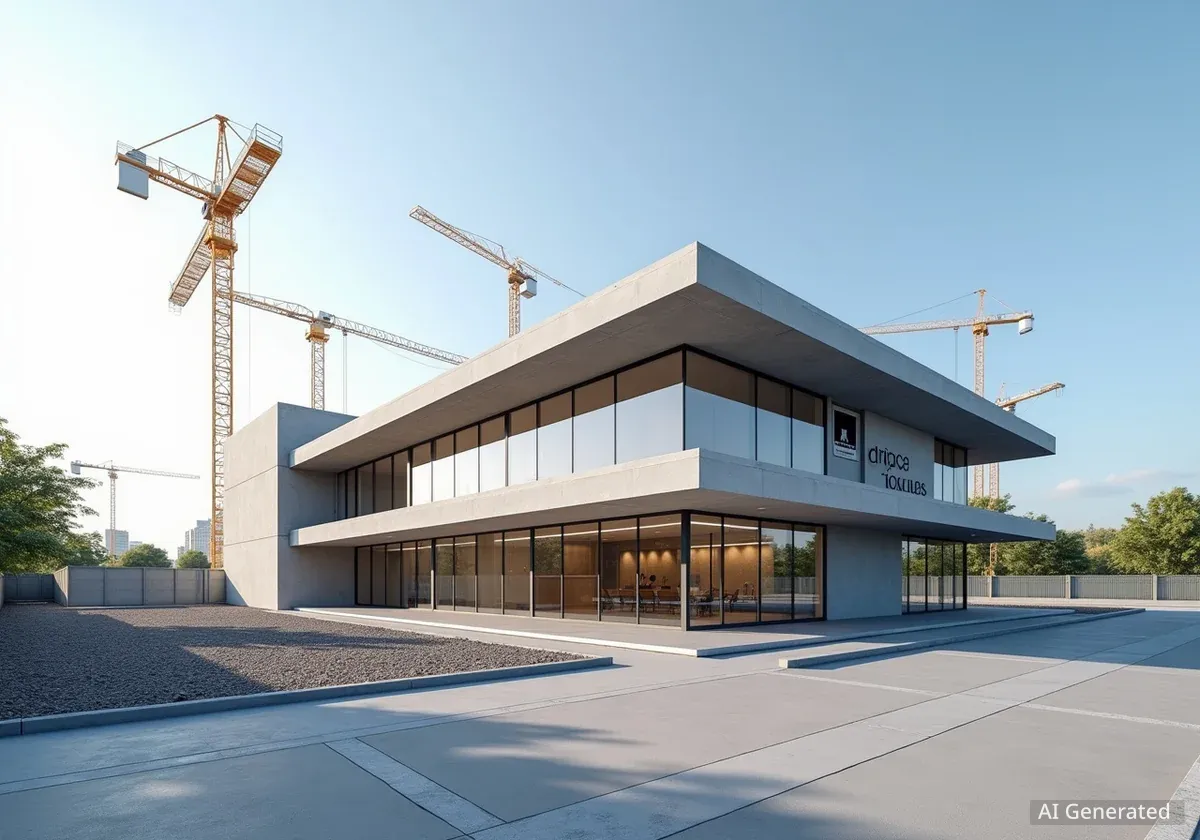





David Lloyd Leisure has submitted a planning application for a new health and fitness club in Glasgow. The proposed facility, located at the former Glasgow Garden Festival site on Pacific Quay, aims to provide modern wellness amenities to the local community. This initiative represents a significant investment in leisure infrastructure for the area.
The application details plans for a comprehensive health club. It includes a large gym area, dedicated studios for various fitness classes, and both indoor and outdoor swimming pools. Additionally, the proposal features tennis courts, a spa, and a clubroom with a restaurant. These elements are designed to cater to a wide range of health and wellness needs.
Key Takeaways
- David Lloyd Leisure proposes a new club at Pacific Quay, Glasgow.
- The facility will include a gym, studios, indoor and outdoor pools, tennis courts, and a spa.
- The project represents a multi-million-pound investment.
- It is expected to create 80 new jobs and support local businesses.
- The development targets improved health and wellbeing for Glasgow residents.
Details of the Proposed Development
The new David Lloyd Club is planned for a site that has been vacant for several years. This location is west of the Glasgow Science Centre and near the BBC Scotland building. The development aims to revitalize this key waterfront area, contributing to its ongoing regeneration. The total investment for the project is expected to be substantial, signaling a strong commitment from David Lloyd Leisure.
Plans show a two-story building designed to integrate with the surrounding urban landscape. The architectural design prioritizes natural light and open spaces. This approach seeks to create an inviting and functional environment for members. The facility will also feature extensive landscaping, enhancing the visual appeal of the site.
"Our proposal for Pacific Quay is more than just a health club; it's a commitment to the wellbeing of the Glasgow community. We believe this facility will offer state-of-the-art amenities and a vibrant social hub for our members."
Amenities and Features
The proposed club will boast a wide array of facilities. The indoor pool area is designed for year-round use, while the outdoor pool will provide a seasonal option. The gym floor will be equipped with modern exercise machines and free weights. Multiple studios will host a diverse schedule of classes, including yoga, Pilates, and high-intensity interval training (HIIT).
For tennis enthusiasts, several courts are planned, suitable for both recreational play and competitive matches. The spa area will offer relaxation and recovery services, complementing the fitness offerings. The clubroom and restaurant are intended to foster a social atmosphere, allowing members to connect and dine.
Fact: David Lloyd Leisure Footprint
David Lloyd Leisure operates over 130 clubs across the UK and mainland Europe. The company serves approximately 730,000 members and employs around 8,000 people. This new Glasgow facility would add to its extensive network, further solidifying its position as a leading health and fitness provider.
Economic and Community Impact
The development is projected to bring significant economic benefits to Glasgow. Company estimates suggest the creation of approximately 80 new jobs. These roles will span various areas, including fitness instructors, spa therapists, restaurant staff, and administrative positions. This job creation will provide employment opportunities for local residents.
Beyond direct employment, the project is expected to support local supply chains and businesses. Construction phases will engage local contractors and suppliers. Once operational, the club will source goods and services from the surrounding area, boosting the local economy. This ripple effect can benefit numerous small and medium-sized enterprises.
Focus on Wellbeing
David Lloyd Leisure emphasizes the role of its clubs in promoting health and wellbeing. The comprehensive facilities are designed to encourage active lifestyles among all age groups. From children's swimming lessons to senior fitness programs, the club aims to be inclusive. This focus aligns with broader public health objectives to increase physical activity levels across the population.
A spokesperson for the company stated that the new club would be a "multi-million-pound investment." They added that it would provide a "premium health and fitness offering" for Glasgow residents. This highlights the company's intent to deliver a high-quality experience.
Context: Pacific Quay Regeneration
Pacific Quay has undergone significant regeneration over the past two decades. Once an industrial area, it now hosts major media organizations like BBC Scotland and STV, as well as the Glasgow Science Centre. The proposed David Lloyd Club aims to further enhance the area's appeal, adding a prominent leisure component to its diverse offerings.
Planning and Future Steps
The planning application is currently under review by Glasgow City Council. The process involves detailed assessments of the proposal's environmental impact, traffic implications, and community benefits. Public consultation periods allow local residents and stakeholders to provide feedback on the plans.
If approved, construction would begin following the necessary permits. The typical timeline for a project of this scale can vary. However, David Lloyd Leisure aims for an efficient development process. The company has a track record of delivering high-quality facilities within established timeframes.
- The planning application includes detailed architectural drawings.
- Environmental impact assessments are part of the review.
- Community feedback is an important aspect of the planning process.
- The project aligns with Glasgow's urban development goals.
The proposed David Lloyd Club at Pacific Quay represents a significant step for leisure provision in Glasgow. It promises new jobs, economic stimulation, and enhanced health and fitness opportunities for the community. The outcome of the planning application will determine the next steps for this ambitious project.