


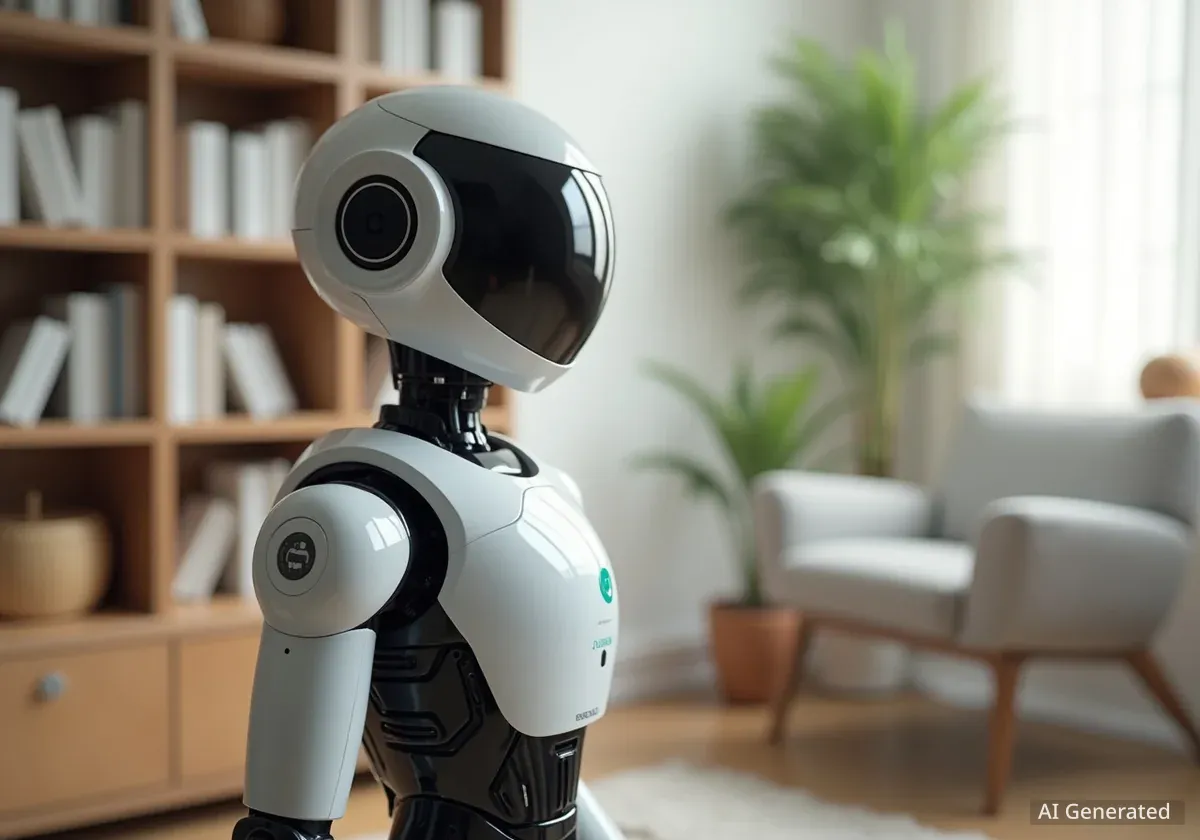

The technology that shapes our daily lives is set for a significant transformation in 2026. A new generation of artificial intelligence-powered devices aims to move beyond the smartphone, while health technology is poised to offer a more detailed, and potentially intrusive, view of our well-being. At the same time, the line between financial markets and gambling is blurring, creating new opportunities and risks.
These shifts are not just about new products; they represent fundamental changes in how we interact with information, manage our health, and even perceive risk. As these technologies become more integrated into society, they bring complex questions about privacy, ethics, and their ultimate impact on our jobs and personal lives.
Key Takeaways
- A new wave of AI-focused gadgets, such as smart glasses and rings, is expected to emerge, prioritizing voice commands over screens.
- Health technology will become more personalized, with wearables capable of detecting specific conditions like perimenopause or early signs of cognitive decline.
- Prediction markets, where users bet on real-world events, are growing in popularity, raising concerns about gambling addiction and market manipulation.
- Increased AI integration in the workplace will likely automate routine tasks, creating both new job roles and the potential for job displacement.
The Post-Smartphone Era Begins
Technology companies are betting on a future where the smartphone is no longer the center of our digital world. The next wave of personal technology will likely take the form of devices we already wear, such as glasses, rings, and other jewelry, all powered by advanced artificial intelligence.
These gadgets are being designed to operate primarily through voice commands, reducing the need for screens. The goal is to create a more seamless and less distracting interaction with AI. Meta has already entered this space with its Ray-Ban AI glasses, which allow users to take photos and interact with an AI assistant. Google has also showcased its own smart glasses concepts.
A New Hardware Philosophy
The push for screenless AI devices is gaining momentum. OpenAI, the company behind ChatGPT, acquired a hardware startup co-founded by former Apple design chief Jony Ive. The stated goal is to create hardware specifically built for AI that is more "peaceful" than current devices. The first product from this collaboration is anticipated in the second half of 2026.
This shift raises significant privacy questions. For these devices to be truly useful, they may need to listen or even watch constantly. This creates concerns about the data being collected not just from the user, but from everyone around them. For example, while Meta's glasses have a light to indicate when they are recording photos or videos, they don't have a similar indicator when collecting visual data to inform AI conversations, blurring the lines of consent.
Health Tech Gets Personal
The world of health technology is moving beyond simple fitness tracking. New devices are being developed to monitor specific and complex health signals, offering a level of insight previously available only in clinical settings.
At the recent CES trade show, a wearable device called Peri was introduced. This $449 device sticks to the user's torso to detect hot flashes and other symptoms of perimenopause. Other gadgets aim to help with conception by tracking reproductive hormones. These tools represent a move toward highly specialized consumer health monitoring.
From Gait to Cognition
Samsung is exploring features for its phones, watches, and smart rings that could alert users to early signs of cognitive decline. The technology would analyze changes in a person's gait and speech patterns over time to identify potential symptoms, demonstrating how everyday devices could become powerful diagnostic aids.
The vast amount of data collected by these devices presents another challenge: making sense of it all. Companies like OpenAI are developing specialized AI models, such as ChatGPT Health, designed to analyze data from health apps and medical records to provide personalized insights. While the potential benefits are enormous, the question of how this sensitive data will be protected remains a primary concern for consumers.
Everything is a Bet: The Rise of Prediction Markets
A new form of online activity is rapidly gaining traction: prediction markets. On platforms like Kalshi and Polymarket, users can place financial wagers on the outcomes of a wide range of real-world events, from political elections to celebrity news.
These platforms frame themselves as a way to surface the "wisdom of the crowd," but they function much like gambling. Billions of dollars are now being wagered each month, leading to concerns about addiction and the potential for market manipulation. The accessibility of these markets means that almost any event can be turned into a betting opportunity.
Like cryptocurrencies and "meme" stocks before them, prediction markets are another trend that blurs the line between investing and gambling, bringing financial market mechanics to everyday events.
Allegations of insider trading and manipulation have already surfaced. In one instance, a trader reportedly earned around $400,000 by correctly predicting the ouster of a world leader just hours before it happened. Other instances involving well-timed bets on corporate announcements and Nobel Prize winners have also drawn scrutiny. As these markets grow, so too will the controversy and regulatory challenges surrounding them.
AI in the Workplace and Society
The integration of AI into our professional and personal lives is set to accelerate, but not without friction. In 2026, more companies will formalize their AI strategies, leading to widespread changes in the workplace.
The Future of Work
Experts predict that AI will have a significant impact on jobs, particularly those involving routine and repetitive tasks. While roles like computer programmers and translators are already seeing changes, the technology is also expected to create new positions. Jobs such as "prompt engineer" and "knowledge architect" have already emerged.
The adoption of AI could lead to several outcomes:
- Increased Efficiency: Some workers may leverage AI to become more productive, potentially leading to higher earnings or even a four-day workweek.
- Job Displacement: Some companies may use AI as a justification for layoffs, particularly in roles that can be automated.
- New Challenges: The reliance on AI could introduce new problems, such as errors and biases in critical fields like healthcare and law.
The Consumer Pushback
While companies are eager to integrate AI into their products, a growing number of consumers are expressing skepticism. This resistance is visible across social media, where AI-generated content is often criticized. Online fan communities have organized to demand that movie and video game studios prioritize human actors over AI-powered performances.
This push and pull between corporate adoption and consumer resistance will likely define the next phase of AI's integration into society. As technology continues to advance, the debate over its proper role in our lives will only intensify.