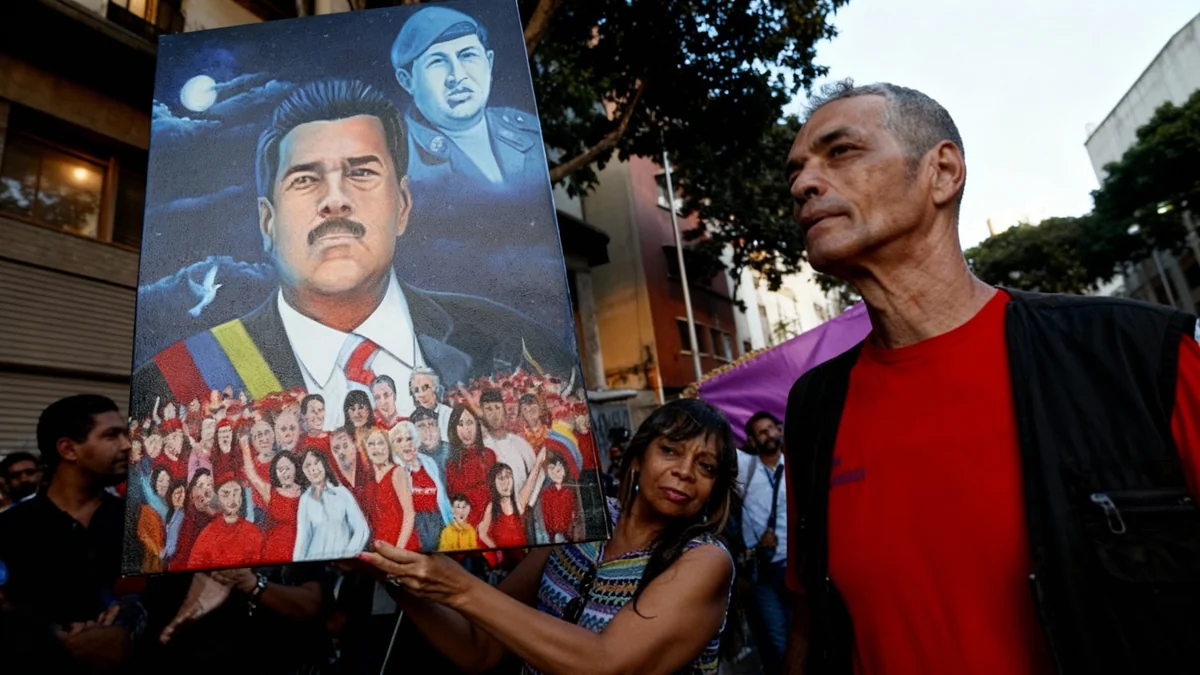

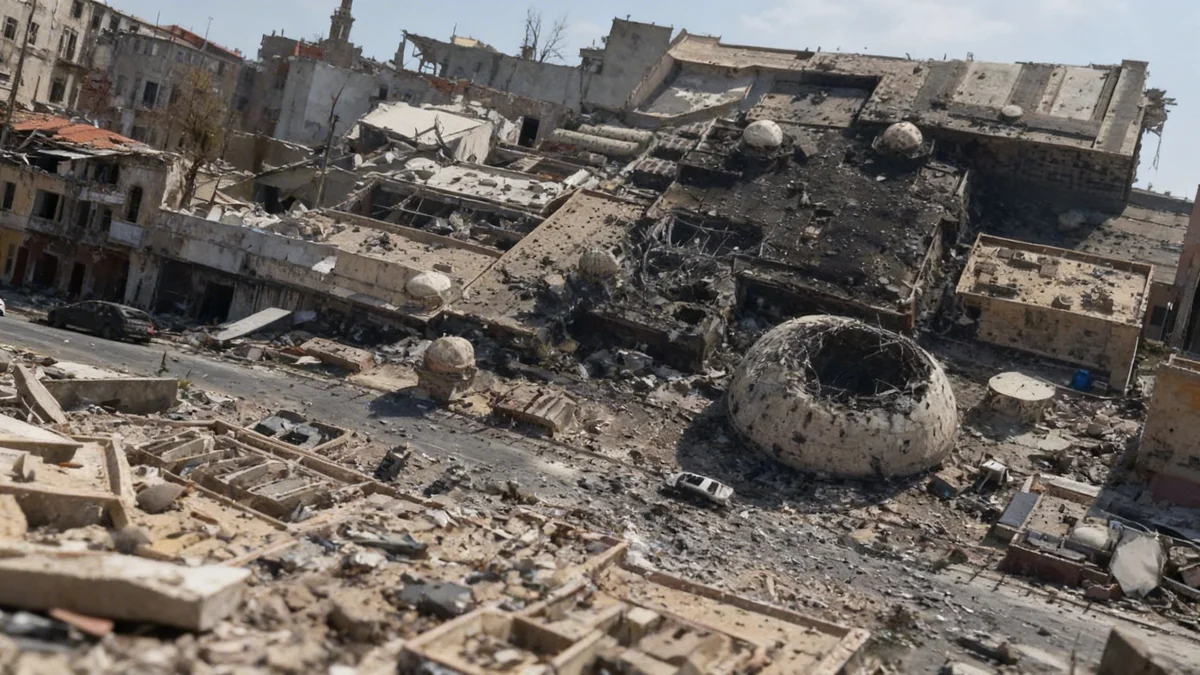
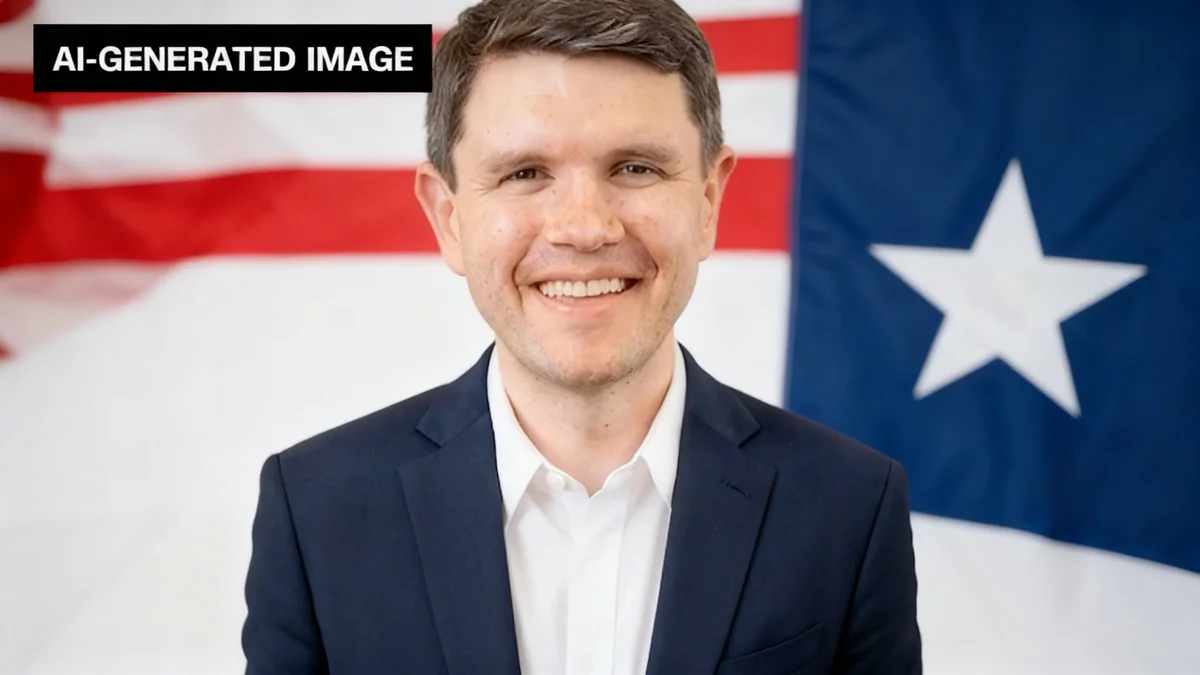
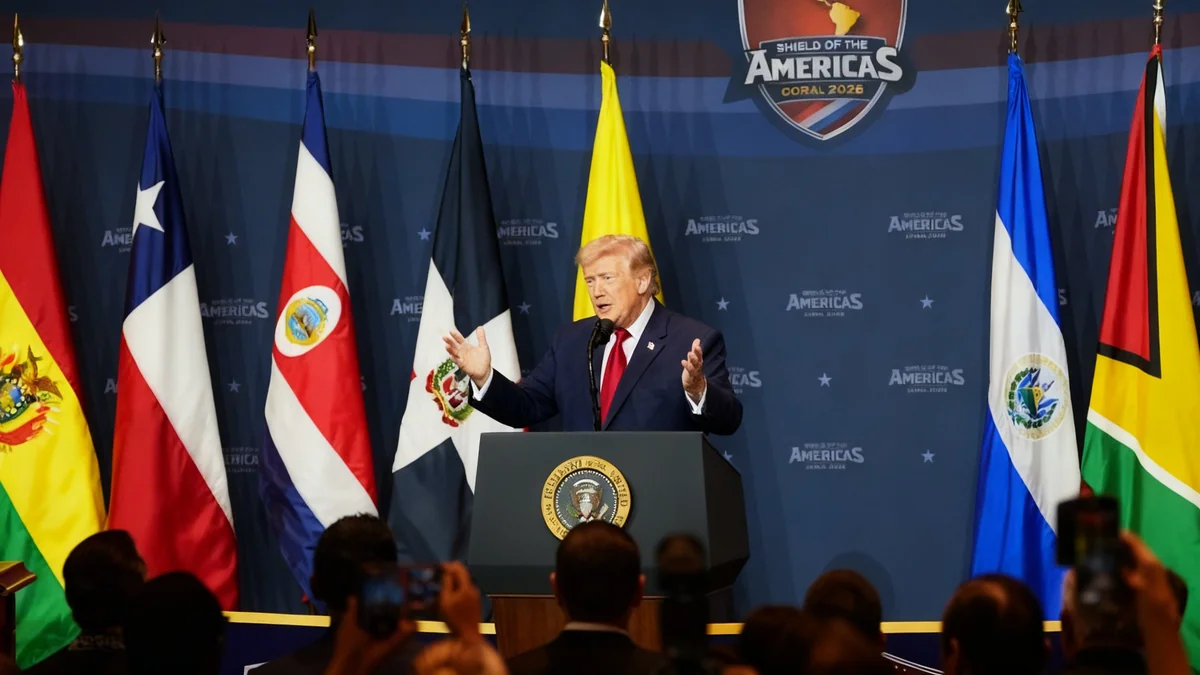
Following reports of a US military operation in Venezuela and the detainment of Nicolás Maduro, social media platforms were inundated with a torrent of artificial intelligence-generated images and misleading videos. This digital deception, viewed by millions, created a confusing information landscape where distinguishing fact from fiction became a significant challenge for the public.
The fabricated content, which included realistic but false depictions of Maduro's capture and celebrations in Caracas, spread rapidly across X, Instagram, Facebook, and TikTok, highlighting the growing role of AI in shaping public perception during major geopolitical events.
Key Takeaways
- AI-generated images depicting the capture of Nicolás Maduro were shared millions of times across major social media platforms.
- Old video footage from previous years was repurposed and presented as current events, adding to the confusion.
- Misinformation experts warn that the realism of AI-generated content makes it increasingly difficult for the public and even detection tools to identify fakes.
- The incident demonstrates how AI can be used to fill information gaps during breaking news events, often with false narratives.
A Digital Barrage of Falsehoods
Within minutes of the first reports of a US strike in Venezuela, social media feeds were flooded with dramatic, AI-generated visuals. One of the most widely circulated fakes was an image purporting to show Nicolás Maduro being escorted by US Drug Enforcement Administration (DEA) agents onto an aircraft. Another fabricated image showed a soldier posing with a hooded Maduro.
These images were not the only form of misinformation. Fabricated videos showing missile strikes over Caracas also appeared, mixing with genuine, albeit unverified, clips of military aircraft. The sheer volume and rapid spread of this content created an environment ripe for confusion.
Fact-checking organization NewsGuard reported that just seven prominent examples of misleading photos and videos had accumulated more than 14 million views on the platform X alone. The speed at which these fabrications traveled often outpaced official information, allowing false narratives to take hold.
Old Footage Repurposed for a New Crisis
Beyond newly created AI images, old and unrelated video content was actively repurposed to fit the narrative of Maduro's downfall. This tactic involves presenting genuine footage from a different time or place as if it were happening in the present moment.
For instance, a video showing large crowds celebrating in the streets of Caracas was shared by influencers like Alex Jones, who claimed it showed Venezuelans rejoicing after the ouster. However, analysis and reverse image searches confirmed the footage was from a protest following Maduro's disputed election victory in July 2024, making it at least 18 months old. Despite being flagged by X's Community Notes feature, the video still garnered over 2.2 million views.
The Challenge of Out-of-Context Media
Using old media in a new context is a common disinformation tactic. It is effective because the footage itself is real, making it harder to dismiss as a complete fake. The deception lies entirely in the false description and timing provided by the person sharing it. During fast-moving events, viewers often lack the time or tools to verify the origin of every clip they see.
In another case, footage of a poster of Maduro being torn down was shared as a current event, but it was later identified as originating from earlier in 2024. A video of a US special forces helicopter, presented as part of the raid, was actually filmed during a training exercise at Fort Bragg, North Carolina, in June.
The Blurring Line Between Real and Fake
Experts in misinformation point to this event as a critical example of how advanced AI is making it harder to discern reality. Sofia Rubinson, a senior editor at NewsGuard who studies misinformation, noted that the challenge is compounded when the fakes closely resemble plausible events.
"Many of the AI-generated and out-of-context visuals that are currently flooding social media do not drastically distort the facts on the ground," Rubinson stated. "Still, the use of AI-generated fabrications and dramatic, out-of-context footage is being used to fill gaps in real-time reporting and represents another tactic in the misinformation wars."
This proximity to reality makes traditional fact-checking methods more difficult. While tools like reverse image search can help identify repurposed old footage, detecting sophisticated AI-generated images is proving inconsistent. As AI models become more capable, they can produce images and videos that lack the usual tell-tale signs of digital manipulation.
The Viral Nature of False Information
The spread of this misinformation was not limited to anonymous accounts. Vince Lago, the mayor of Coral Gables, Florida, posted the fake photo of Maduro with DEA agents to his Instagram account. The post, which described Maduro as the leader of a "narco-terrorist organization," received over 1,500 likes and remained online even after being identified as a fake.
A New Era of Information Warfare
The events surrounding the Venezuela operation underscore a significant shift in the landscape of online information. The accessibility of powerful AI tools means that the ability to create convincing fake content is no longer limited to state-level actors or sophisticated visual effects studios.
As geopolitical events unfold, the public is now faced with the dual challenge of processing real information while simultaneously filtering out a growing volume of high-quality fakes. This incident serves as a stark reminder of the need for increased digital literacy and critical evaluation of content consumed on social media, especially during breaking news situations.
Requests for comment sent to Meta, X, and TikTok regarding their policies on handling such AI-generated misinformation were not returned.