


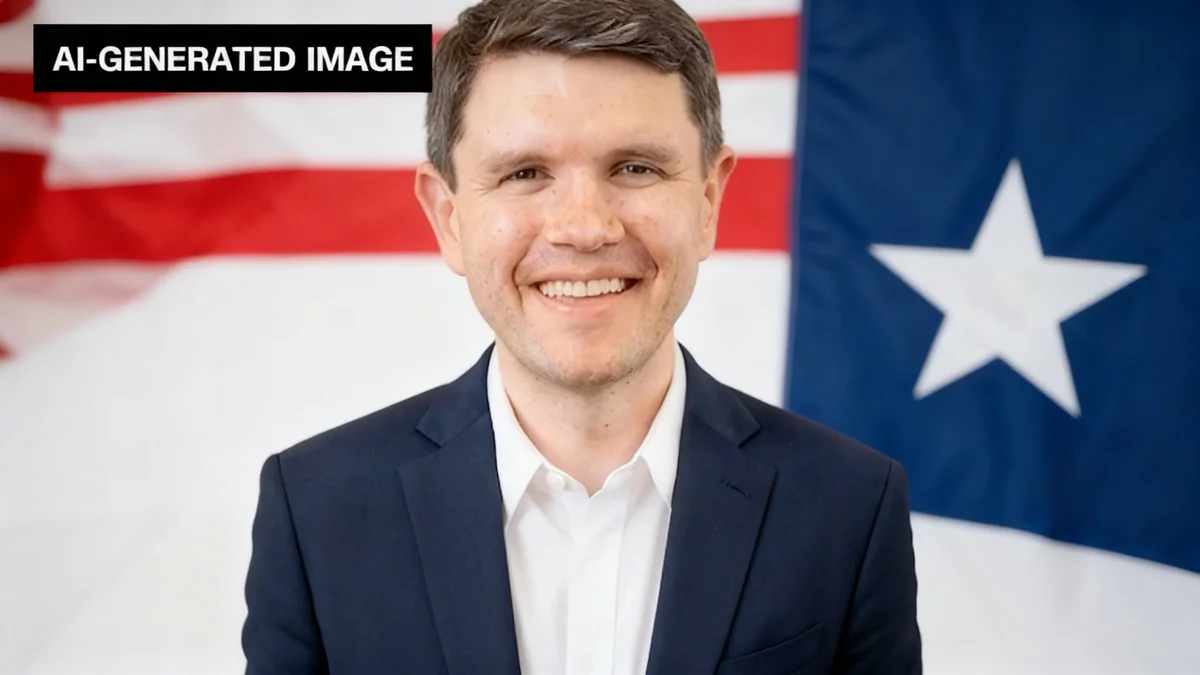
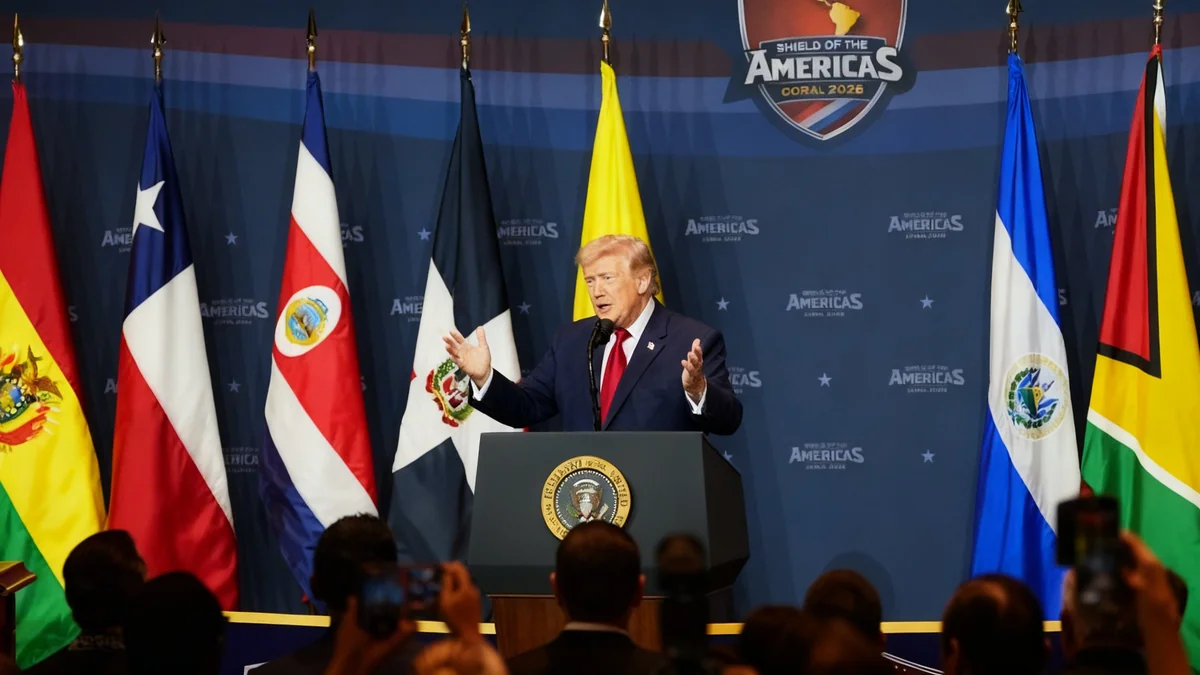
Former President Donald Trump has significantly increased his use of artificial intelligence-generated images and videos on his social media platforms. This marks a notable shift in how political figures are leveraging new technologies to shape public perception and engage with supporters.
These AI-created visuals often depict Mr. Trump in heroic or powerful roles, ranging from a war hero to a comic book vigilante. While such content has circulated in online right-wing communities for some time, Mr. Trump's direct sharing brings these once-niche creations to a much broader audience.
Key Takeaways
- Donald Trump is sharing more AI-generated images and videos online.
- These visuals portray him in flattering, powerful roles.
- The trend moves AI-generated political content from fringe to mainstream.
- AI tools make creating such content easier and more accessible.
The Rise of AI in Political Messaging
Artificial intelligence tools have made it easier for users to create highly customized and visually striking content. For political campaigns and supporters, this means a new avenue for messaging. Previously, creating high-quality manipulated images or videos required specialized skills and software. Now, AI platforms can generate complex visuals from simple text prompts.
In recent months, Mr. Trump has reposted over 20 AI-generated images and videos. These pieces of content were often produced by members of online communities dedicated to experimenting with AI technology. These communities share their creations, which then find their way to larger platforms.
Fact Check
- Mr. Trump has reposted more than 20 AI-generated images and videos recently.
- Some content creators use platforms like OpenAI's Sora, despite content restrictions.
Examples of Shared AI Content
The AI-generated content shared by Mr. Trump varies in its portrayal. One video he shared on Truth Social showed him doffing a crown, suggesting a king-like figure. Another depicted him as a fighter pilot dropping what appeared to be excrement on protesters, a more aggressive and controversial image.
Other examples include images portraying him as a muscular comic book anti-hero, like The Punisher. These varied depictions aim to resonate with different segments of his supporter base, invoking themes of strength, leadership, and defiance against opposition.
"AI has become a powerful, accessible tool for creating political narratives, blurring the lines between reality and digitally fabricated imagery."
From Fringe to Mainstream: A New Era
Historically, groups of right-wing internet users and self-described 'memers' have created flattering portraits of Mr. Trump. They often depicted him as a rock star, a war hero, or a powerful figure. For a long time, much of this pro-Trump content did not achieve widespread visibility. It remained largely within specific online communities.
Mr. Trump's direct engagement with this content changes its impact. By reposting these images and videos, he effectively elevates these creations from the fringe into the mainstream political discourse. This amplification provides a direct channel for AI-generated propaganda to reach millions of followers.
Context on Content Creation
Content creators report finding ways to generate images and videos of President Trump using platforms like OpenAI's Sora. This occurs despite content restrictions designed to prevent such political creations. This highlights the ongoing challenge for AI developers to enforce their usage policies.
The Impact on Information Consumption
The increasing use of AI-generated content by prominent political figures raises questions about the future of information consumption. Distinguishing between genuine and fabricated content becomes more challenging for the average viewer. This trend could accelerate the spread of misinformation and disinformation, making critical media literacy more important than ever.
The ease of generating realistic but fake imagery means that visual narratives can be crafted quickly to respond to political events or shape public opinion. This presents a new frontier in political campaigning and public relations, where visual authenticity is increasingly difficult to verify.
Challenges for AI Platforms
AI development companies face a growing challenge in managing how their tools are used. Many platforms have policies against generating political figures or creating misleading content. However, users often find workarounds. This constant cat-and-mouse game between developers and users underscores the rapid evolution of AI capabilities and the difficulty of controlling its applications.
The implications of this technology extend beyond politics. It affects how we consume news, perceive reality, and interact with digital media. As AI tools become even more sophisticated, the debate over their ethical use and regulation will intensify.