


The new Apple TV series, "Pluribus," from "Breaking Bad" creator Vince Gilligan, recently premiered its first two episodes. Viewers watching the credits discovered a notable disclaimer: "This show was made by humans." This message appears to be a direct statement regarding the growing use of artificial intelligence in content production.
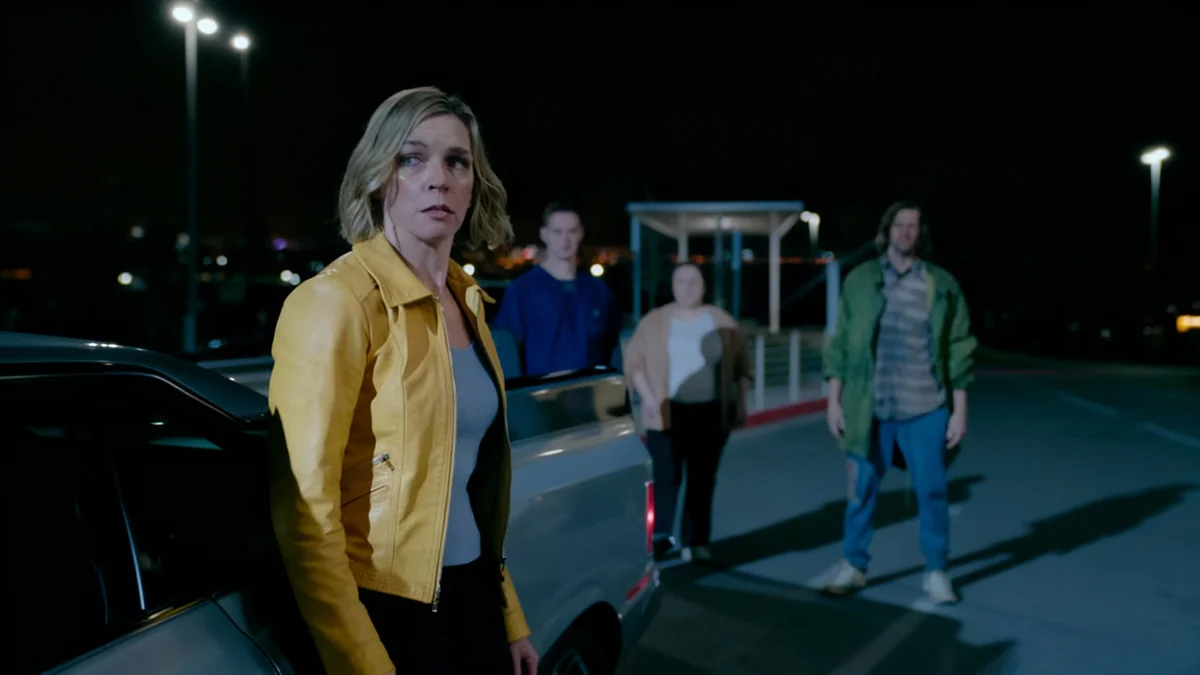
The series stars Rhea Seehorn as Carol Sturka, a writer who is one of the few individuals immune to an alien virus. This virus transforms most of humanity into a single, relentlessly optimistic hive mind. The human-made declaration in the credits adds a layer of commentary to the show's themes, especially given current industry discussions about AI.
Key Takeaways
- Vince Gilligan's new series "Pluribus" includes a "made by humans" note in its credits.
- This disclaimer is seen as a direct response to the increasing use of AI in production.
- Gilligan has publicly stated his personal opposition to using AI for creative work.
- The show has already secured a second season, with Gilligan estimating a potential four-season run.
Gilligan's Stance on Artificial Intelligence
Vince Gilligan has previously voiced strong opinions against artificial intelligence in creative fields. He discussed his views on AI while promoting "Pluribus." His comments highlight a clear preference for human-driven creativity.
During an interview, Gilligan made his position clear:
"I will never use it, no offense to anyone who does."
He further clarified that he developed "Pluribus" nearly a decade ago. At that time, AI was not a central concern in the entertainment industry. This timeline underscores that the series' themes and production ethos predate the current widespread debate around AI.
Did You Know?
The concept for "Pluribus" was developed by Vince Gilligan almost ten years ago, long before the recent surge in AI discussions within the entertainment industry.
The Rise of AI in Production
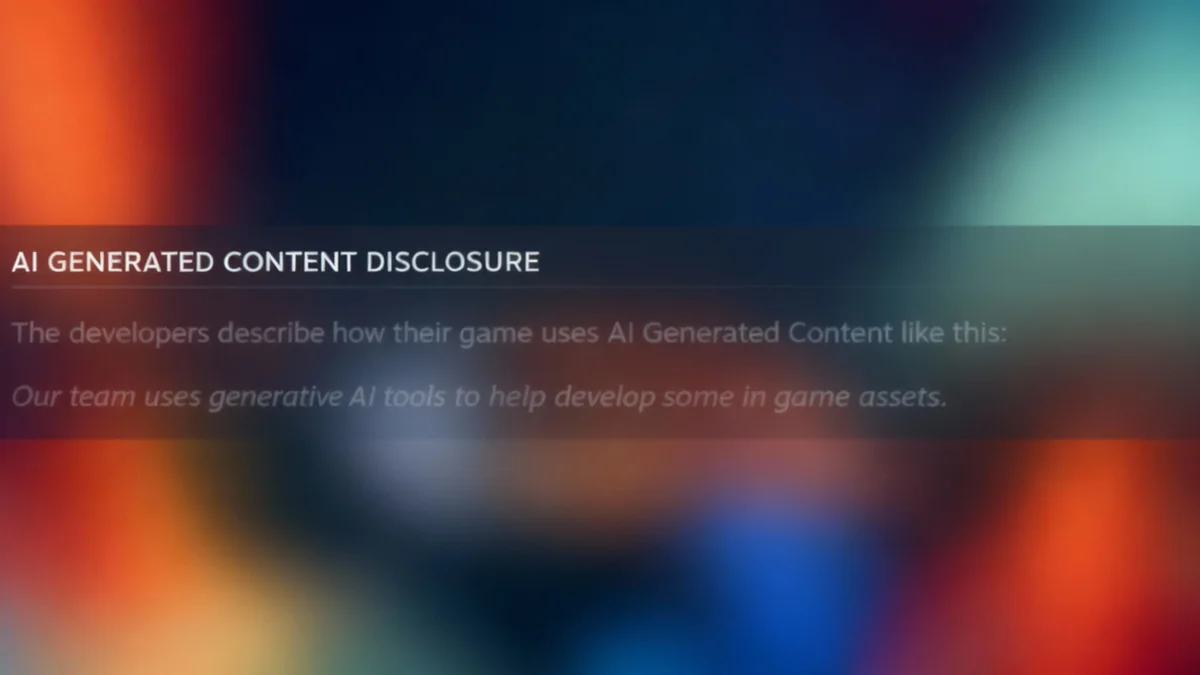
The disclaimer in "Pluribus" arrives at a time when artificial intelligence is becoming increasingly integrated into various aspects of film and television production. It is often challenging for audiences to identify content generated or assisted by AI.
This trend has led to widespread discussions within Hollywood and other creative sectors. Many artists and creators are expressing concerns about the impact of AI on human jobs and the authenticity of artistic expression. The "made by humans" note serves as a subtle, yet firm, counter-statement.
Industry Context
Disclaimers regarding AI use are likely to become more common in the future. As AI tools evolve, distinguishing human-created content from AI-generated content becomes more difficult, prompting calls for transparency.
"Pluribus" Storyline and Themes
The narrative of "Pluribus" itself provides an interesting backdrop to the AI debate. The show explores a world where most people have lost their individuality, merging into a collective consciousness. This premise touches upon themes of identity, autonomy, and the value of unique human experience.
Rhea Seehorn's character, Carol Sturka, represents a resistance to this collective. Her immunity to the virus makes her an outlier, highlighting the importance of individual thought and perspective. This mirrors Gilligan's own stance on maintaining human input in creative endeavors.
- Main Character: Carol Sturka, played by Rhea Seehorn.
- Central Conflict: Humanity transformed into an optimistic hive mind by an extraterrestrial virus.
- Key Theme: The importance of individual immunity and human uniqueness in a world of conformity.
Future of the Series and AI Disclaimers
"Pluribus" has already received approval for a second season, indicating confidence in Gilligan's vision and the show's initial reception. While Gilligan has not set a definitive end point for the series, he has offered an estimate for its potential run.
He shared his thoughts with Discussing Film, suggesting a possible duration:
"Maybe four seasons would be the max. However, who the hell knows?"
The inclusion of the "made by humans" disclaimer in "Pluribus" could set a precedent. As AI technology advances, more productions might adopt similar transparency measures. This could help audiences understand the creative process behind the content they consume.
The discussion around AI in creative industries continues to evolve. Gilligan's decision to explicitly state the human origin of his work adds a significant voice to this ongoing conversation. It emphasizes the enduring value of human ingenuity in storytelling.